When to Aerate Your Lawn on Long Island: The Complete Timing Guide

Every September in Ronkonkoma, I watch my neighbors spread grass seed on top of compacted soil and wonder why it never takes. They skip the one step that makes overseeding actually work: core aeration. It's the difference between dropping seed onto concrete and dropping it into prepared soil. On Long Island's sandy ground, the timing window is narrow, and getting it right means the difference between a lawn that fills in before winter and one that stays patchy until next year.
When to aerate your lawn on Long Island:
- Best window: September 1 through October 15. Soil temperatures average 60 to 70°F at 4-inch depth, the ideal range for cool-season root growth and recovery.
- Equipment: Use a core aerator (not a spike aerator) that pulls plugs 2 to 3 inches deep.
- Technique: Make two perpendicular passes for full coverage (20 to 40 holes per square foot).
- Pair with: Overseeding and fall fertilization for maximum renovation impact.
- Spring option: Late March through mid-May is secondary but conflicts with pre-emergent herbicide timing.
That timing isn't a guess. It comes from Cornell Turfgrass Program research, Rutgers FS108 aeration specifications, and 30-year NOAA climate normals from the Islip weather station calibrated to Zone 7B. Here's everything you need to know about when, why, and how to aerate your Long Island lawn. Our Dynamic Calendar tracks these windows automatically with GDD alerts. Lawn Map Pro puts all this data on your satellite map with zone-by-zone tracking. Our Stripe Master members get the complete 15-step Lawn Playbook that covers exactly this.
Why Aeration Matters (Even on Sandy Soil)
The most common thing I hear from Long Island homeowners is "my soil is sandy, so it can't be compacted." That's half right. Sandy soils resist deep compaction better than clay. But surface compaction in the top 1 to 2 inches still happens from foot traffic, mowing equipment, kids playing, and the simple weight of winter snow and ice. According to University of Maryland Extension, a compacted layer as thin as one-quarter to one-half inch can significantly impede water infiltration and gas exchange between soil and atmosphere.
On Long Island, the real benefit of aeration goes beyond compaction relief. Core aeration also breaks up thatch (that spongy layer of dead organic matter between your grass blades and the soil surface), creates perfect seed-to-soil contact for overseeding, and opens channels for your fall fertilizer application to reach the root zone directly instead of sitting on top of a matted surface.
The Fall Window: September 1 Through October 15
Fall is the undisputed best time to aerate a cool-season lawn. Every university extension program in the Northeast agrees on this. Cornell Turfgrass Program states that core aeration is most effective in late summer when temperatures are starting to cool and the soil is slightly moist. The USGA recommends aerating when soil temperatures are consistently above 55°F and preferably between 60°F and 65°F.
On Long Island, that translates to a clean window from September 1 through October 15. Here's what the 30-year NOAA soil temperature data shows for the Islip station:
| Month | Avg Soil Temp (4" depth) | Aeration Status | Why |
|---|---|---|---|
| August | 75°F | Too warm | Summer stress peak. Grass can't recover quickly enough. |
| Early September | 70°F (dropping) | Ideal window opens | Soil cooling, air temps moderate, grass entering peak fall growth. |
| Late September | 65°F | Prime time | Perfect root growth temperature. Pair with overseeding. |
| Early October | 60°F | Still good | Roots still active. Last chance for seed germination before freeze. |
| Late October | 55°F | Window closing | Root growth slowing. Seed may not establish before first freeze (~Nov 4). |
| November | 50°F | Too late | Below optimal root growth range. Risk of winterkill on exposed roots. |
September 1 through September 30 is the optimal aeration window on Long Island. You get 5 to 6 weeks of active root growth before the first hard freeze (average November 4 on Long Island). Earlier is better because it gives overseeded grass more time to establish.
Why Fall Beats Spring (The Pre-Emergent Problem)
Spring aeration is possible on Long Island from late March through mid-May. But there's a catch that most articles don't mention, and it's a big one.
If you applied pre-emergent herbicide for crabgrass in April, core aeration will punch holes straight through that chemical barrier. Pre-emergent works by forming a thin layer in the top half-inch of soil that kills weed seedlings as they try to root. Pull 3-inch cores through it and you've just created dozens of holes per square foot where crabgrass can germinate freely. You've essentially paid for pre-emergent and then destroyed it.
If you applied pre-emergent herbicide in spring, do not aerate until fall. Core aeration breaks the herbicide barrier and creates gaps where crabgrass and other summer annuals will germinate. This is the number one reason fall aeration is superior: there's no pre-emergent conflict in September.
One text when soil temps drop and the September aeration window opens. Perfect timing, zero guesswork.
No spam. One seasonal alert per application window. Unsubscribe anytime.
The only scenario where spring aeration makes sense is if your lawn has severe compaction that can't wait (water pooling on the surface, grass refusing to grow in high-traffic areas) and you're willing to skip pre-emergent that year. For most Long Island homeowners, that's not a trade worth making. Crabgrass pressure on Long Island is intense enough that losing your pre-emergent barrier is a real cost.
Core Aeration vs. Spike Aeration: Only One Actually Works
There are two types of aerators and the difference matters more than most people realize.
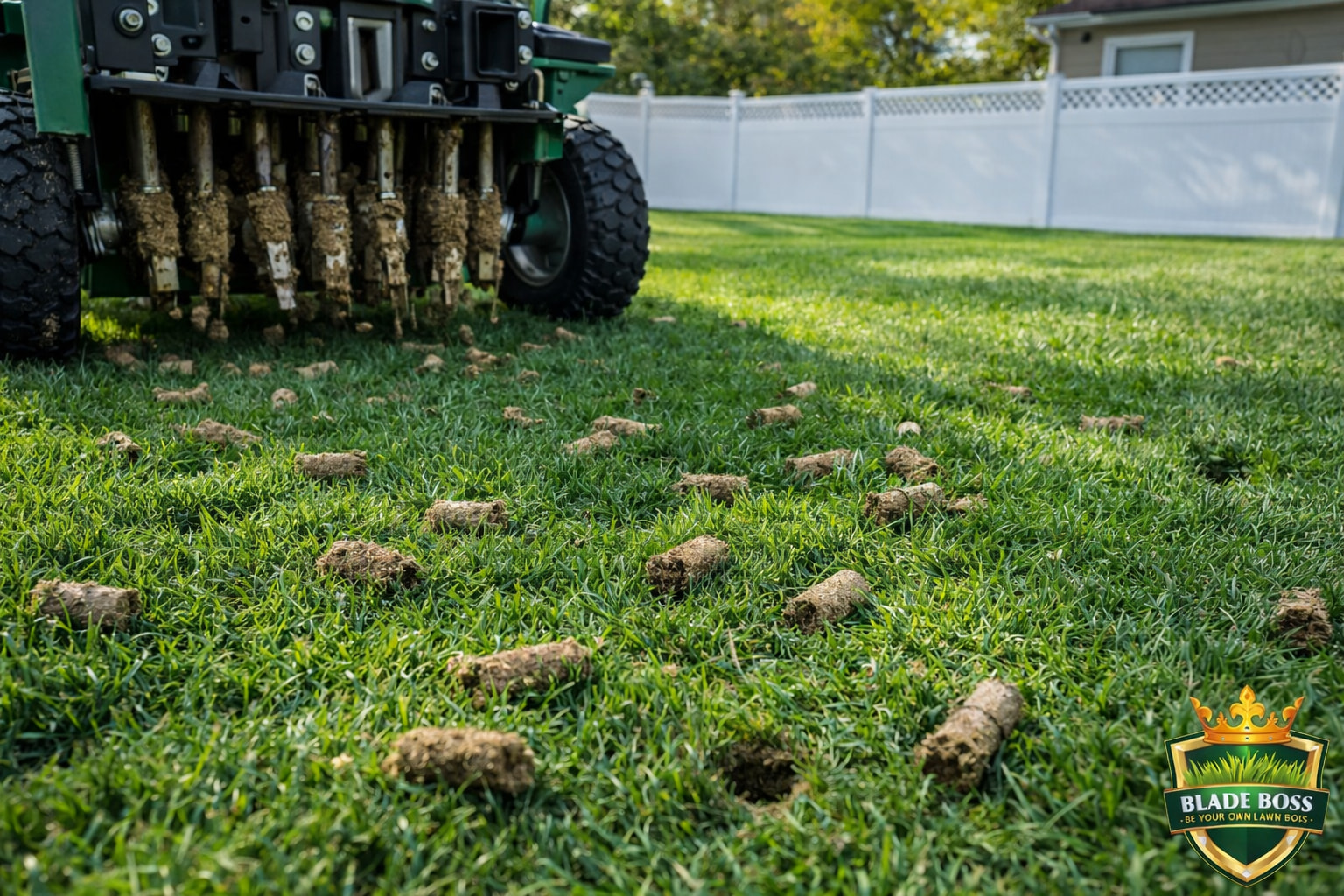
Core (plug) aerators remove actual cylinders of soil, typically 0.5 to 0.75 inches in diameter and 2 to 4 inches deep. This creates genuine void space in the soil for air, water, and roots. The cores left on the surface break down over a week or two and return microbe-rich soil back to the thatch layer, accelerating decomposition.
Spike aerators push solid tines into the ground without removing soil. University of Maryland Extension specifically warns that spike aerators should not be mistaken for true aerating equipment because they actually increase soil compaction by compressing soil into a denser mass around each spike hole. On Long Island's sandy soil, spike aeration is even less effective because the loose sand just fills back in.
Per Rutgers FS108 and the zone-master specifications for Long Island:
Core diameter: 0.5 to 0.75 inches
Core depth: 2 to 3 inches (3-inch target on sandy loam)
Spacing: 2 to 6 inches apart
Passes: 2 minimum in perpendicular directions (criss-cross pattern)
Soil moisture: Moist but not wet. Water the lawn 1 to 2 days before aeration if soil is dry. Do not aerate muddy soil.
The Aeration, Overseeding, and Fertilizer Trifecta
Here's where fall aeration becomes a force multiplier. On Long Island, the September window lines up perfectly with overseeding and your Round 3 fall fertilizer application. Done together, these three operations create a synergy that none of them achieves alone.
Aeration Creates the Seedbed
Core holes provide perfect seed-to-soil contact. Seeds fall into the holes where they're protected from wind, birds, and surface drying. Germination rates are significantly higher than broadcasting seed onto an unpunctured surface.
Overseeding Fills the Gaps
Every thin spot and bare patch is a crabgrass invitation next spring. September overseeding gives new grass 5 to 6 weeks of ideal growing conditions before the first hard freeze around November 4.
Fertilizer Feeds the Roots
Round 3 (0.75 lbs N, August 25 to September 5) goes directly into the root zone through aeration holes instead of sitting on top of thatch. If overseeding, use starter fertilizer with phosphorus (allowed by law for new seed).
Lime Reaches the Root Zone
If your soil test shows pH below 6.0, fall is when you apply lime. Aeration holes let pelletized lime penetrate directly to where it's needed instead of slowly working down from the surface over months.
Calculate Your Exact Seed and Fertilizer Amounts
Lawn Map Pro™ draws your yard zones with satellite precision. SeedGenius Pro™ calculates exact seed rates by grass type and zone. NitroCalc Pro™ handles fertilizer math including split applications. Enter your measurements and get precise product amounts for your fall renovation.
The Complete Fall Aeration Playbook (Step by Step)
Test Your Soil First
If you haven't done a soil test in the last 2 years, get one from Cornell Cooperative Extension before you aerate. You need to know your pH, phosphorus, and potassium levels so you can combine the right amendments with aeration. A $20 test prevents hundreds of dollars in wasted product.
Mow Low Before Aeration
Two days before aerating, mow your lawn one notch lower than your usual height (about 2.5 to 3 inches). This makes it easier for the aerator tines to penetrate and improves seed-to-soil contact for overseeding. Don't scalp it. Just drop it one setting.
Water the Day Before
The soil should be moist but not muddy. If it hasn't rained in the last 2 to 3 days, water the lawn 24 hours before aeration. A good target is about 0.5 inches of water. Moist soil lets the tines penetrate to full depth and produce clean cores. Dry soil resists penetration. Muddy soil clogs the tines.
Mark Your Sprinkler Heads and Utility Lines
A core aerator tine through a sprinkler head is an expensive mistake. Flag every head, valve box, and shallow utility line before you start. Call 811 to mark underground utilities if you haven't had it done recently.
Make Two Perpendicular Passes
Run the aerator across your lawn in one direction, then again at a 90-degree angle (criss-cross pattern). This gives you 20 to 40 holes per square foot, which is the Rutgers FS108 specification. A single pass won't provide enough coverage. For areas with heavy compaction (play zones, dog runs, walkway edges), make a third pass.
Leave the Cores on the Surface
Those little soil plugs sitting on your lawn look ugly for about a week. Leave them. They break down on their own and return microbe-rich soil to the thatch layer, which actually accelerates thatch decomposition. If you absolutely hate the look, wait 2 to 3 days until they're dry, then break them up with the back of a rake. Do not remove them.
Overseed Immediately After Aeration
Within 24 hours of aerating, broadcast your grass seed. Seeds that fall into the core holes have the best germination rates because they have direct soil contact, moisture retention, and protection from the elements. Use a quality KBG/TTTF/PRG blend for Long Island. Water lightly 2 to 3 times daily to keep the seed moist until germination (7 to 21 days depending on species).
Apply Fertilizer and Lime
Apply your Round 3 fall fertilizer (0.75 lbs N per 1,000 sq ft with 60%+ slow-release). If overseeding, you can use a starter fertilizer with phosphorus (the NY phosphorus ban has an exception for new seed establishment). If your pH is below 6.0, apply pelletized lime per your soil test recommendation. The aeration holes let everything reach the root zone.
Thatch: When to Dethatch Before You Aerate
Thatch is the layer of dead stems, roots, and runners that accumulates between the grass blades and the soil surface. A thin thatch layer (under 0.5 inches) is actually beneficial because it insulates roots and retains moisture. But when thatch builds up beyond 0.5 inches, it blocks water, air, and fertilizer from reaching the soil.
On Long Island, Kentucky Bluegrass is the heaviest thatch producer among common cool-season grasses because of its aggressive rhizome growth. Tall Fescue and Perennial Ryegrass produce significantly less thatch. If your lawn is predominantly KBG and you've never dethatched, check the thatch depth by cutting a small wedge from the lawn with a knife and measuring the spongy brown layer.
Under 0.5 inches: Skip dethatching. Aerate only. The cores pulled by aeration introduce soil microbes to the thatch layer, which speeds natural decomposition.
Over 0.5 inches: Dethatch first, then aerate. Use a power dethatcher (vertical mower), not a spring tine rake for anything larger than a small patch. September is the ideal month for both operations on Long Island. Never dethatch in summer (June through August) because the grass can't recover during heat stress.
What About Liquid Aeration?
You'll see liquid aeration products marketed as a no-mess alternative to core aeration. They claim to break up compacted soil using surfactants, humic acids, or other soil conditioners applied as a spray.
Join Long Island homeowners who get data-driven lawn care tips every week. Seasonal reminders, timing alerts, and the stuff your lawn service won't tell you.
Here's the reality: there is no university extension research supporting liquid aeration as a replacement for mechanical core aeration. The products may improve soil biology and water penetration at the surface level, but they cannot physically remove compacted soil the way a core aerator does. If your soil is genuinely compacted (the screwdriver test fails at 2 to 3 inches), nothing replaces pulling physical plugs out of the ground. Liquid products can be a useful supplement, but not a substitute.
DIY vs. Professional Aeration: The Real Math
A core aerator rental from Home Depot or Sunbelt runs about $80 to $100 for a half day on Long Island. These are heavy machines (200+ pounds) that require a truck or trailer to transport. You'll spend 1 to 2 hours aerating a typical Long Island lot (5,000 to 10,000 sq ft), plus time for pickup and return.
Professional aeration on Long Island typically costs $100 to $200 for a standard lot, with pricing scaling for larger properties. The pro shows up with a commercial-grade aerator, does the work in 30 to 45 minutes, and leaves. No rental hassle, no hauling equipment.
If you're doing the full fall trifecta (aerate, overseed, fertilize), DIY makes sense because you're already out there with a spreader and you control the seed-to-aeration timing. If you just want aeration done, a pro is often the better value when you factor in your time and the rental logistics.
Plan Your Fall Renovation with Lawn Map Pro
Draw your lawn zones on satellite imagery, calculate exact square footage, and get precise product amounts for seed, fertilizer, and lime. Know exactly how much to buy before you rent the aerator.
Common Aeration Mistakes on Long Island
1. Aerating after applying pre-emergent
This is the most expensive mistake. Pre-emergent herbicide works by forming a chemical barrier in the top half-inch of soil. Core aeration punches dozens of holes per square foot through that barrier, creating gaps where crabgrass and other summer annuals will germinate freely. If you applied pre-emergent in spring, wait until September to aerate.
2. Using a spike aerator instead of a core aerator
Spike aerators push solid tines into the ground without removing any soil. University of Maryland Extension warns that solid tines actually increase soil compaction by compressing soil into a denser mass around each hole. Only core (plug) aerators provide genuine aeration by physically removing cylinders of soil. This is non-negotiable.
3. Aerating bone-dry or muddy soil
Dry soil resists tine penetration and produces shallow, ineffective cores. Muddy soil clogs the hollow tines and smears instead of pulling clean plugs. The sweet spot is moist soil. If it hasn't rained in 3+ days, water the lawn 24 hours before aerating. If the ground squishes under your feet, wait a day or two.
4. Making only one pass
A single pass doesn't provide enough holes for effective aeration. Rutgers FS108 specifies 20 to 40 holes per square foot. That requires at least two perpendicular passes (criss-cross). For heavily compacted areas, add a third. Your goal is comprehensive coverage, not racing to finish.
5. Removing the soil cores
Those plugs sitting on your lawn aren't debris. They're microbe-rich soil that will break down within 1 to 2 weeks and help decompose thatch. Raking them up removes beneficial microorganisms and wastes the nutrient value. If you can't stand the look, wait until they're dry and break them up with a rake, but leave the material on the lawn.
6. Aerating during summer heat stress
Never aerate a dormant or heat-stressed lawn. July and August on Long Island bring soil temperatures of 75 to 76°F, well above the optimal 60 to 70°F range for cool-season root recovery. Aeration creates wounds that the grass needs active growth to heal. Summer aeration on a stressed lawn is like surgery on a patient who can't recover.
7. Waiting too late in fall
October 15 is the practical cutoff on Long Island. After that, soil temperatures drop below 55°F and the first hard freeze (average November 4) is too close. Grass roots need at least 4 to 6 weeks of active growth after aeration to recover. If you're overseeding, the window is even tighter because seed germination takes 7 to 21 days. Don't push it past mid-October.
Your Fall Aeration Timeline
Prep Phase
Order your soil test from Cornell Cooperative Extension if you haven't tested in 2+ years. Buy your grass seed and fertilizer. Reserve your aerator rental for early September.
Pre-Aeration Mowing
Drop mowing height one notch (to about 2.5 to 3 inches). This is also the start of your Round 3 fertilizer window.
Aeration Window Opens
Ideal start date. Soil temp around 70°F and dropping. Water lawn 24 hours before if dry. Core aerate with two perpendicular passes.
Overseed Immediately
Broadcast seed within 24 hours of aeration. Seeds fall into core holes for best germination. Apply starter fertilizer if overseeding. Begin light watering 2 to 3 times daily.
Germination Watch
Perennial Ryegrass germinates in 5 to 10 days. Kentucky Bluegrass takes 14 to 21 days. Keep seed moist. Soil cores break down on their own during this period.
Round 4: Peak Fall Fertilizer
Apply 0.75 lbs N per 1,000 sq ft. The most important fertilizer application of the year. New seedlings are established enough to benefit.
Window Closes
Last practical date for aeration on Long Island. If you haven't done it by now, wait until next September. Don't rush it in late October.
Average First Hard Freeze
By this date, new grass from September overseeding has had 8 to 9 weeks of growth. Established enough to survive winter.
The Screwdriver Test: Do You Actually Need to Aerate?
Not every lawn needs annual aeration. Here's a 10-second test: take a standard screwdriver and push it into your lawn by hand (no hammering). If it slides in easily to 4 to 6 inches, your soil isn't seriously compacted. If you meet significant resistance at 2 to 3 inches, aeration will help. Do this test in several spots, focusing on high-traffic areas.
That said, even if the screwdriver goes in easily, annual September aeration is still valuable on Long Island for the thatch management and overseeding benefits alone. The seed-to-soil contact that core holes provide is worth the effort even if compaction isn't your primary issue.
Quick Reference: Aeration Decision Table
| Situation | Action | When |
|---|---|---|
| Established lawn, moderate traffic | Core aerate once yearly | September 1 to 15 |
| High traffic (kids, dogs, sports) | Core aerate twice yearly | April (if no pre-emergent) + September |
| New lawn (less than 1 year old) | Skip this year | Wait until second fall season |
| Heavy thatch (over 0.5 inches) | Dethatch first, then aerate | September |
| Applied pre-emergent in spring | Do NOT spring aerate | Wait until September |
| Severe compaction, pooling water | Emergency spring aeration | Late March to April (skip pre-emergent) |
| Low traffic, sandy soil, healthy turf | Aerate every 2 to 3 years | September when scheduled |
| Overseeding planned | Always aerate first | Same day, September |
Aeration pairs with several other fall tasks. Plan your post-aeration feeding with our fertilizer calculator, check for grub damage before aerating, and follow up with the spring recovery guide when April arrives. Our Zone 7B guide puts aeration in context, and the clover control guide addresses the weeds that exploit compacted soil. Penn State Extension offers additional cool-season grass management resources for the Northeast. See also: fall lawn care checklist.
Chris is a Combat Search and Rescue pilot turned airline pilot who built Blade Boss to bring military-grade precision to backyard lawn care. He core aerates his Ronkonkoma lawn every September, two passes perpendicular, before overseeding.
Aeration pairs with the fall fertilizer round. Get the complete 5-round program with exact timing, rates, and products for Long Island.
See what Blade Boss members get and get access to Lawn Map Pro™ for satellite-precision zone mapping, SeedGenius Pro™ for exact seed calculations, and our complete month-by-month Long Island lawn care calendar. Data-driven lawn care starts here.
See Plans →Frequently Asked Questions
When is the best time to aerate a lawn on Long Island?
The best time to aerate a cool-season lawn on Long Island is September 1 through October 15. Soil temperatures during this window average 60 to 70 degrees Fahrenheit at 4-inch depth, which is the ideal range for root recovery and new growth. Cornell Turfgrass Program confirms core aeration is most effective in late summer when temperatures are starting to cool. Pair aeration with overseeding and fall fertilization for maximum renovation impact.
Can I aerate my Long Island lawn in spring?
Spring aeration is a secondary option, typically late March through mid-May. However, it has a major drawback: pulling soil cores breaks the pre-emergent herbicide barrier you applied for crabgrass prevention. If you applied pre-emergent in April, do not aerate until fall. Spring aeration is best reserved for lawns with severe compaction that cannot wait, and only if you skip pre-emergent that year.
How often should I aerate my lawn on Long Island?
Most Long Island lawns benefit from annual core aeration in September. Sandy Long Island soils are naturally less prone to compaction than clay soils, so once per year is sufficient for most properties. High-traffic areas like play zones, dog runs, and paths may benefit from twice yearly (spring and fall). University of Maryland Extension recommends every one to two years for heavy traffic lawns and every two to four years for low traffic.
Should I aerate or dethatch my Long Island lawn?
They serve different purposes. Aeration relieves soil compaction by pulling plugs of soil out of the ground. Dethatching removes the layer of dead organic matter between the grass blades and soil surface. If thatch is over half an inch thick, dethatch first, then aerate. If thatch is under half an inch but your soil is compacted, aerate only. On Long Island, Kentucky Bluegrass is the heaviest thatch producer. September is the best month for both operations.
Does aeration help with Long Island's sandy soil?
Yes. Although sandy soils are less prone to compaction than clay, Long Island lawns still develop compaction from foot traffic, mowing equipment, and the weight of winter snow. Sandy soil compaction typically occurs in the top 1 to 2 inches, which is exactly where grass roots need the most access to oxygen and water. Core aeration also helps break up thatch, improves seed-to-soil contact for overseeding, and allows fertilizer and lime amendments to reach the root zone directly.
Keep Reading
 Lawn Science
Suffolk County Lawn Care Guide: East End to Huntington
Suffolk County is 86 miles long. Your lawn in Huntington has completely different soil than a lawn in...
Mar 31, 2026
13 min
 Long Island Local
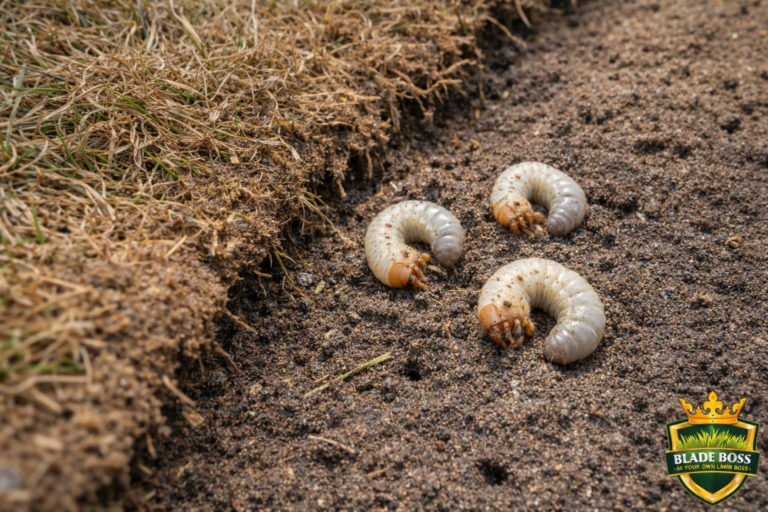
Long Island Grub Control: When to Treat and What to Use
Oriental beetles, not Japanese beetles, are the #1 grub on Long Island. Learn the exact treatment windows, damage...
Mar 11, 2026
14 min
 Lawn Science
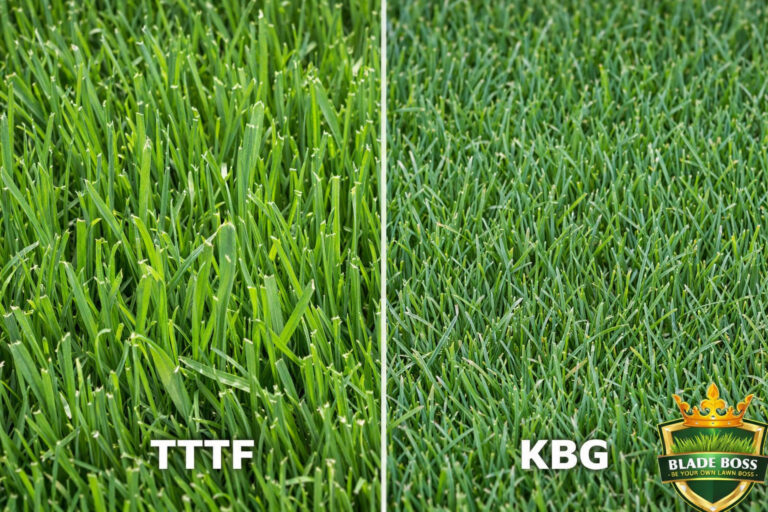
Tall Fescue vs Kentucky Bluegrass: Which Is Best for Long Island?
For Long Island's sandy soil and summer heat, tall fescue wins on drought tolerance and low maintenance. Kentucky...
Mar 12, 2026
14 min
What is your lawn actually sitting on?
Pull the soil survey, hardiness zone and current growing conditions for your exact address. Eight government sources, about a minute.
No comments yet. Be the first to share your thoughts.
Create a free account to join the conversation.