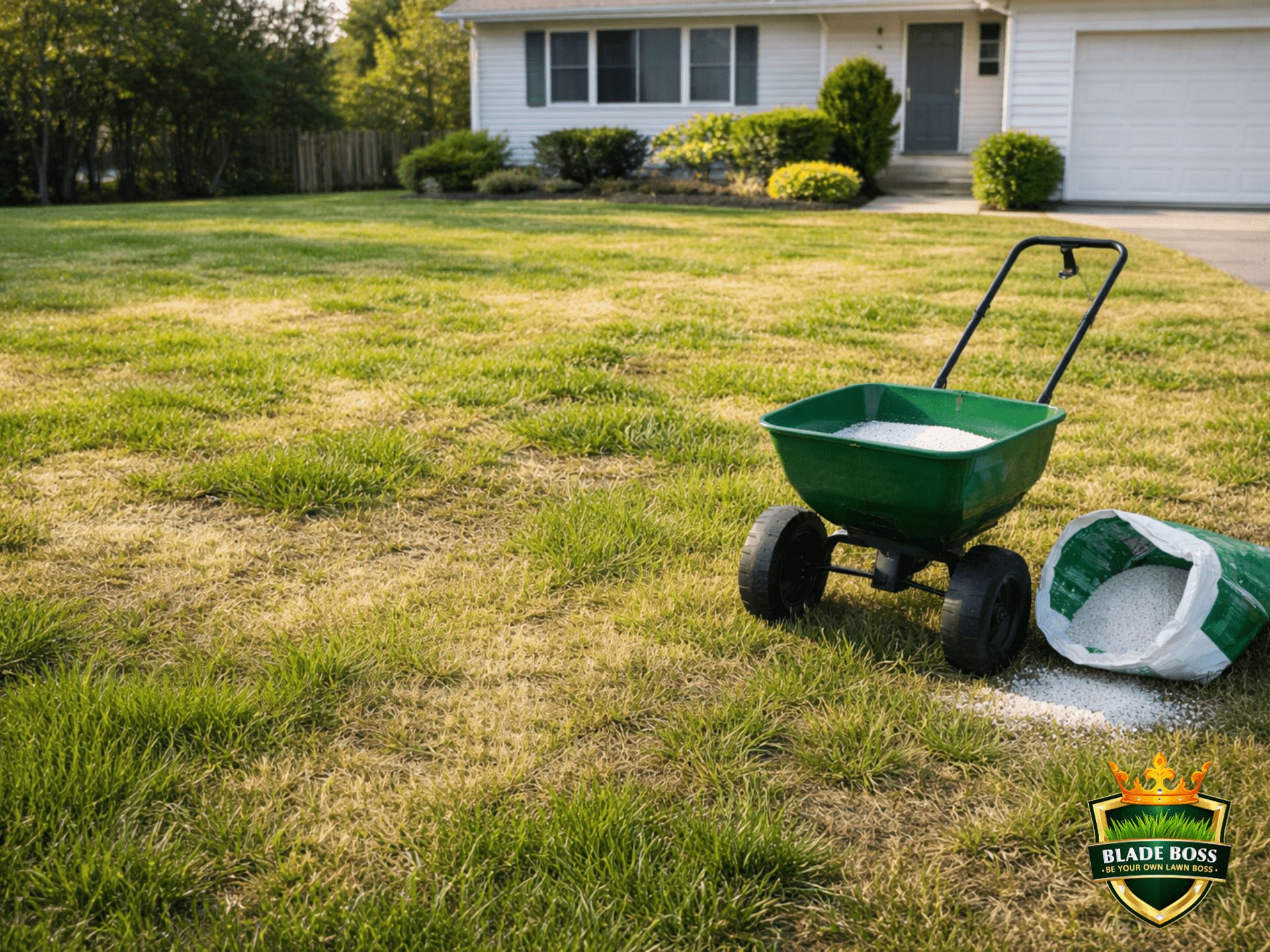
You bought the fertilizer. You read the bag. You put it down at the recommended setting. You watered it in. You waited two weeks. And your lawn looks exactly the same. Maybe worse. So you did what every frustrated homeowner does: you bought a different bag and put down more. Still nothing. The problem is almost never the fertilizer. It is something between the bag and the grass that is blocking the whole process.
When fertilizer does not produce visible results, the cause is almost always one of five problems: your spreader is delivering the wrong amount, your soil pH is locking out nutrients before roots can absorb them, you are applying a nutrient your lawn does not actually need, your soil cannot hold what you are applying (low CEC on sandy soil), or you are applying at the wrong time in the growth cycle. A $5 soil test diagnoses most of these in one shot.
Reason #1: Your Spreader Is Lying to You
This is the most common and most overlooked reason fertilizer "doesn't work." The setting on your spreader dial is a suggestion, not a measurement. A homeowner tested his Lesco spreader at the bag-recommended setting for 3.5 lbs/1,000 and measured 5.83 lbs/1,000. That is 67% more product than intended. Another homeowner could be at the other extreme: setting too low, applying half the rate, and wondering why nothing happens.
If you have never calibrated your spreader, you do not know what your lawn is actually receiving. You could be applying 40% below your target rate, which explains the zero response perfectly. The fix takes 10 minutes: our complete calibration guide walks through the Cornell 25-foot method step by step. The spreader settings guide gives you verified starting settings for 9 common products.
Load 10 lbs of product. Walk a 25-foot test strip. Weigh what remains. Calculate: Rate = (lbs applied / (25 x spread width)) x 1,000. If your number is more than 10% off from the bag rate, your spreader is the problem. Full walkthrough with worked examples in the calibration guide.
Reason #2: Your pH Is Blocking Everything
This is the reason that costs Long Island homeowners the most money because they keep buying more fertilizer to solve a problem that fertilizer cannot fix.
Soil pH controls the chemical availability of almost every nutrient. Between pH 6.0 and 7.0, everything is accessible. Above 7.0, iron, manganese, and zinc start locking out. Above 7.5, the lockout is severe. Your soil test may show adequate levels of these nutrients, but the grass physically cannot absorb them because the chemistry is wrong.
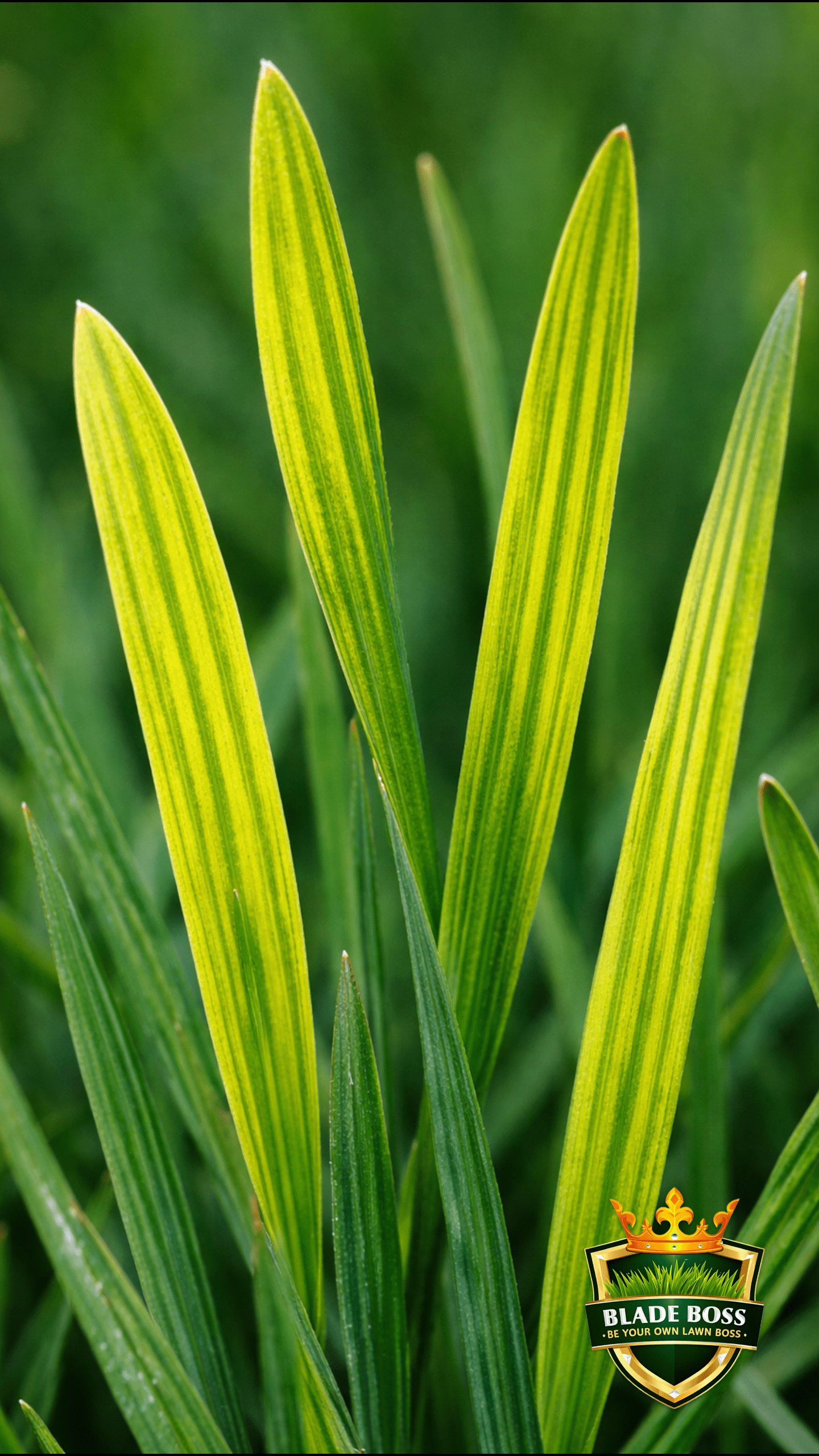
The classic scenario: homeowner sees yellow grass. Assumes nitrogen deficiency. Applies more nitrogen. Grass stays yellow. Applies more. Still yellow. The problem was never nitrogen. It was pH above 7.0 locking out iron. The yellowing pattern is the giveaway: iron chlorosis shows as yellow tissue between green veins on NEW growth (the youngest leaves). Nitrogen deficiency shows as uniform yellowing on OLDER leaves first.
| Symptom | Looks Like | Actual Cause | The Fix |
|---|---|---|---|
| Yellow between veins, new leaves | Needs nitrogen | Iron lockout (pH > 7.0) | Lower pH with sulfur |
| Yellow between veins, old leaves | Needs more fertilizer | Magnesium deficiency | Apply Epsom salt or dolomitic lime |
| Uniform pale yellow, entire lawn | Needs more fertilizer | Nitrogen deficiency (true) | Apply nitrogen at correct rate |
| Uniform yellow on new growth only | Needs nitrogen | Sulfur deficiency | Apply sulfur-containing fertilizer |
Our nutrient guide explains what every nutrient does, what happens when each one is off, and the old-leaf vs new-leaf diagnostic shortcut. The pH correction guide covers exact lime and sulfur rates for Long Island soils.
Upload Your Soil Test Results
The Blade Boss Soil Test Command Center maps every nutrient to optimal ranges, flags lockouts, and builds a correction plan specific to your soil.
Reason #3: You're Feeding It the Wrong Thing
Fertilizer bags are designed to sell fertilizer, not to diagnose your lawn. A 32-0-4 is a nitrogen bomb with almost no phosphorus and minimal potassium. If your lawn's problem is low potassium (brown edges, poor disease resistance, winter kill), no amount of 32-0-4 will help because it barely contains the nutrient you actually need.
This happens constantly with established Long Island lawns. Most have high phosphorus from years of buildup (P does not leach from soil), low potassium (K leaches quickly on sandy soil), and adequate nitrogen that gets consumed within weeks. The homeowner grabs a high-N bag from Home Depot because that is what the display promotes, and applies a nutrient the lawn already has while ignoring the one it desperately needs.
Without a soil test, you are applying based on what the manufacturer wants to sell, not what your lawn actually needs. A $5 test from Cornell Cooperative Extension or a MySoil home kit tells you exactly what is high, what is low, and what to buy. It is the cheapest investment in lawn care.
Common mismatches on Long Island:
- Lawn needs potassium, you're applying nitrogen. You see brown edges and poor disease resistance. You apply Scotts Turf Builder (32-0-4). Nothing improves because K is at 35 ppm (critical low). What you needed was a 0-0-7 or a balanced 10-10-10.
- Lawn needs iron, you're applying nitrogen. Classic pH lockout. Yellowing won't respond to any nitrogen product. You needed chelated iron or a sulfur application to lower pH.
- Lawn needs lime, you're applying fertilizer. Below pH 5.5, most nutrients lock up regardless of what you apply. Fix the pH first, then fertilize. Doing it backwards wastes every dollar you spend.
- Lawn is fine but has a disease. Brown patch, dollar spot, and rust all create discolored patches that look like nutrient problems. Fertilizing an actively diseased lawn (especially with nitrogen) makes the disease worse.
Reason #4: Your Soil Can't Hold What You Apply
This is the Long Island special. Most of Suffolk County and large parts of Nassau sit on sandy soil with a CEC (cation exchange capacity) of 3 to 8. CEC measures how many nutrient ions your soil can hold onto between applications. Clay soil in Westchester has a CEC of 15 to 25. Your sandy soil has a fraction of that holding capacity.
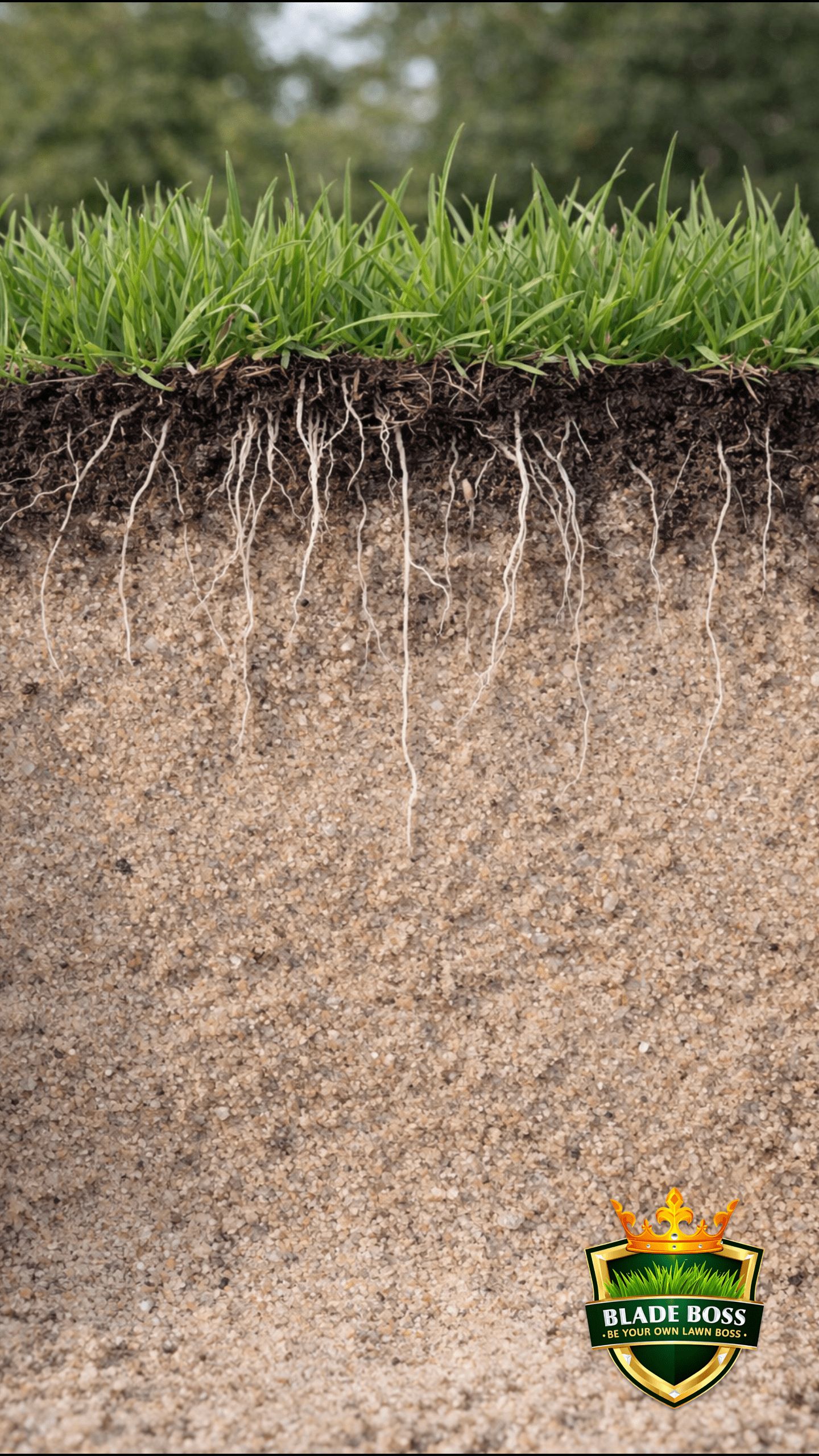
What this means in practice: you apply potassium on a Monday. It rains Tuesday. By Wednesday, half the K has leached below the root zone and is on its way to the aquifer. Your soil literally cannot hold onto the nutrients long enough for the grass to use them. The same application on clay soil would still be available three weeks later.
The fixes for low-CEC sand:
- Slow-release nitrogen sources. Polymer-coated urea, Milorganite, or organic fertilizers release over weeks instead of dumping everything at once. More stays in the root zone.
- Smaller, more frequent applications. Instead of two heavy applications, split the same annual total across 4 to 5 lighter rounds. Less product per application = less leaching per event.
- Build organic matter over time. Compost topdressing annually adds roughly 2 meq of CEC per 1% increase in organic matter. It takes years, but it permanently improves your soil's holding capacity.
- Time applications to growth periods. Apply when roots are actively growing and absorbing (spring and fall). Avoid heavy applications before expected rain.
Our sandy soil guide covers the full strategy for building and maintaining a lawn on Long Island's challenging soils.
One text when growing degree days reach your next fertilizer window. No spam, just timing.
No spam. One seasonal alert per application window. Unsubscribe anytime.
Reason #5: You're Applying at the Wrong Time
Timing matters more than most homeowners realize. Grass has growth cycles, and fertilizer only works when roots are actively absorbing nutrients. Apply outside those windows and the product either sits on the surface doing nothing or leaches away before the plant can use it.
The biggest timing mistakes on Long Island:
- Fertilizing too early in spring. Soil temperature below 55 degrees means roots are barely active. The product sits on cold soil, gets washed by spring rain, and accomplishes nothing. Wait until soil temps hit 55 at 4-inch depth consistently.
- Heavy nitrogen in July. Cool-season grass slows or stops growing when air temps exceed 85 degrees for extended periods. Pushing nitrogen during summer stress forces top growth the plant cannot sustain, depletes root reserves, and invites disease (brown patch thrives on excess N in heat).
- Skipping the fall window. September and October are the most important fertilizer months for cool-season grass. Roots are growing aggressively, carbohydrate storage is building for winter, and the plant absorbs more efficiently than at any other time of year. This is where your 0.75 lbs N/1,000 fall power round goes.
- Missing the winterizer window. The last fertilizer application before the ground freezes (late October to early November on LI) builds cold hardiness and ensures the lawn has reserves to green up quickly next spring. Miss it and spring recovery is slow and patchy.
The complete fertilizer schedule maps all 5 rounds across the year with exact timing for Long Island. The fertilizer calculator guide explains how to think in lbs of nitrogen per 1,000 instead of following bag rates.
The Diagnostic Checklist
Before you buy another bag of fertilizer, run this checklist:
- Have I calibrated my spreader for this product? If no, you don't know what rate you're actually applying. Calibrate it.
- Do I have a soil test from the last 12 months? If no, get one before spending another dollar. $5 from Cornell CCE or a MySoil kit.
- What is my soil pH? If above 7.0, your lawn cannot access iron regardless of what you apply. Fix pH first.
- What does my lawn actually need? Check N, P, K, and micronutrient levels. Apply what is low, not what the display at Home Depot promotes.
- When did I apply? Soil below 55 degrees = roots are not absorbing. Air above 85 degrees = grass is in survival mode. Wait for the right window.
- What is my soil type? Sandy soil (CEC 3 to 8) needs smaller, more frequent, slow-release applications. One heavy dump leaches immediately.
- Could this be a disease instead? Brown patch, dollar spot, and rust mimic nutrient deficiency. Check for circular patterns, smoke rings, or orange pustules before reaching for fertilizer.
A soil test costs less than a single bag of fertilizer. It tells you what to buy, how much to apply, and whether your pH needs correction first. Applying fertilizer without a soil test is like taking medicine without knowing what's wrong. Stop guessing. Start with data.
What every number on your soil test means, the optimal ranges for Long Island soils, and exactly what to do when something is off. Print it and keep it with your test results.
See what Blade Boss members get and get access to the Soil Test Command Center, fertilizer calculator, and zone-specific timing alerts that tell you exactly what to apply, how much, and when.
See Plans →Chris is a Combat Search and Rescue pilot turned airline pilot who built Blade Boss to bring military-grade precision to backyard lawn care. He wasted a full season of fertilizer on a pH 5.4 lawn before learning that the soil test comes first. Now it always does.
Related Reads
The spreader calibration guide fixes Reason #1 in 10 minutes. The nutrient interaction guide explains every lockout and antagonism in Reason #2. The soil test interpretation guide walks through reading your lab report. And the fertilizer schedule maps out all 5 rounds for the year.
Frequently Asked Questions
Why is my lawn still yellow after I fertilized it?
The most common reason is pH lockout. If your soil pH is above 7.0, iron becomes chemically unavailable to your grass even though it may be present in the soil. Your lawn shows yellowing that looks like it needs nitrogen, but adding more nitrogen does nothing because the real problem is iron chlorosis caused by high pH. A soil test for $5 from Cornell Cooperative Extension will confirm whether pH is the issue.
How long should it take to see results from lawn fertilizer?
Quick-release nitrogen fertilizers (like urea or ammonium sulfate) should show visible greening within 3 to 7 days. Slow-release fertilizers (like Milorganite or polymer-coated products) take 10 to 21 days for visible results. If you see no response after 3 weeks with any product, the problem is not the fertilizer. It is something blocking absorption: pH, soil temperature, root damage, or the product never reached the soil at the correct rate.
Can you over-fertilize a lawn and make it worse?
Yes. Over-fertilization causes fertilizer burn (brown, scorched patches), excessive top growth at the expense of root development, increased disease susceptibility (especially brown patch and pythium), and thatch buildup. On Long Island's sandy soils, excess nitrogen also leaches directly into the sole-source aquifer that provides all of our drinking water. Calibrating your spreader is the single best way to prevent over-application.
Does soil type affect how fertilizer works on my lawn?
Significantly. Sandy soils like most of Long Island (CEC 3 to 8) cannot hold nutrients between applications. Potassium, calcium, and magnesium leach through the root zone with every rain. Clay soils (CEC 12 to 18) hold nutrients much longer. This is why the same fertilizer program that works on a clay lawn in Westchester may not work on a sandy lawn in Suffolk County. Sandy soils need more frequent, lighter applications of slow-release products.
Should I get a soil test before fertilizing my lawn?
Always. A soil test costs $5 from Cornell Cooperative Extension and tells you exactly what your soil has, what it lacks, and what your pH is. Without a soil test, you are guessing. Most established Long Island lawns have high phosphorus and low potassium, but the only way to know is to test. Applying fertilizer without a soil test is like taking medicine without a diagnosis.
Keep Reading
 Lawn Science
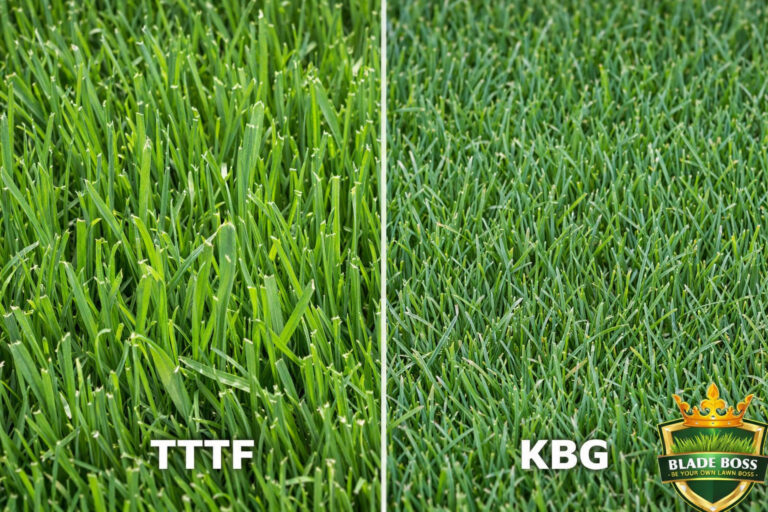
Tall Fescue vs Kentucky Bluegrass: Which Is Best for Long Island?
For Long Island's sandy soil and summer heat, tall fescue wins on drought tolerance and low maintenance. Kentucky...
Mar 12, 2026
14 min
 DIY How-To
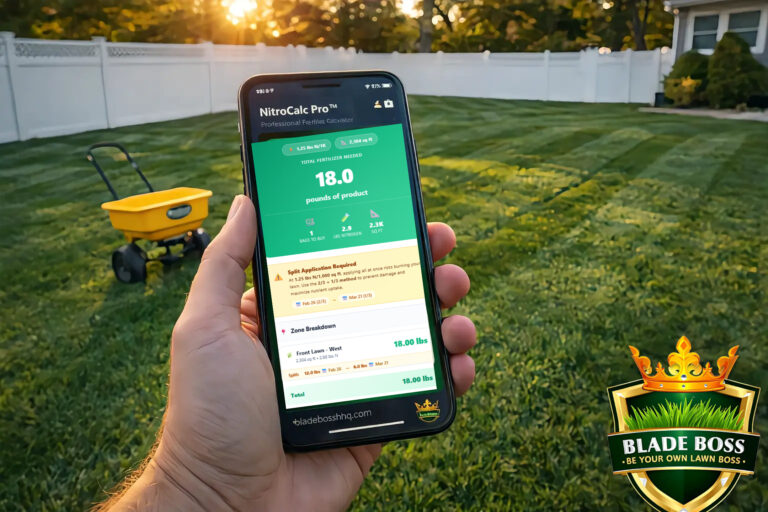
How Much Fertilizer Does Your Lawn Actually Need? (Calculator Inside)
Stop guessing with bag rates. Learn the 4-step nitrogen math, see the Zone 7B fertilizer schedule backed by...
Feb 28, 2026
20 min
 DIY How-To
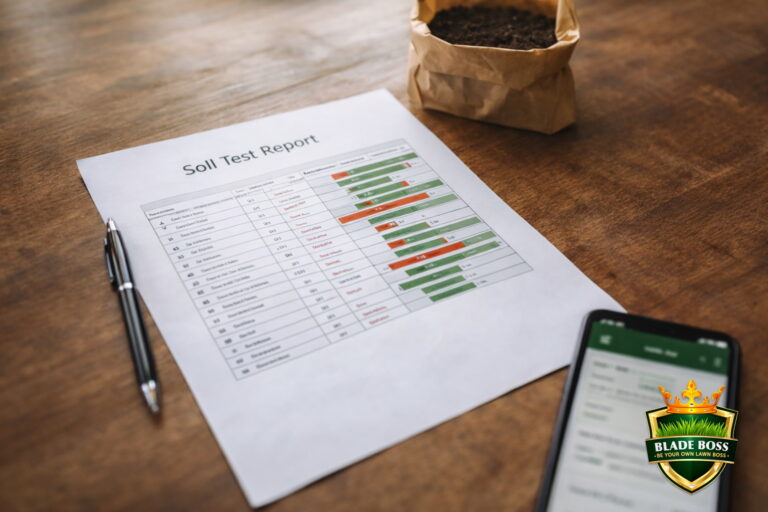
How to Read a Soil Test Report (And What to Do Next)
Your soil test came back. Now what? This guide walks through every number on the report, explains what...
Mar 24, 2026
16 min
What is your lawn actually sitting on?
Pull the soil survey, hardiness zone and current growing conditions for your exact address. Eight government sources, about a minute.
No comments yet. Be the first to share your thoughts.
Create a free account to join the conversation.