GUIDE FUNG-00 · REV A
Lawn Disease Identification Guide (What Is Wrong With My Grass?)
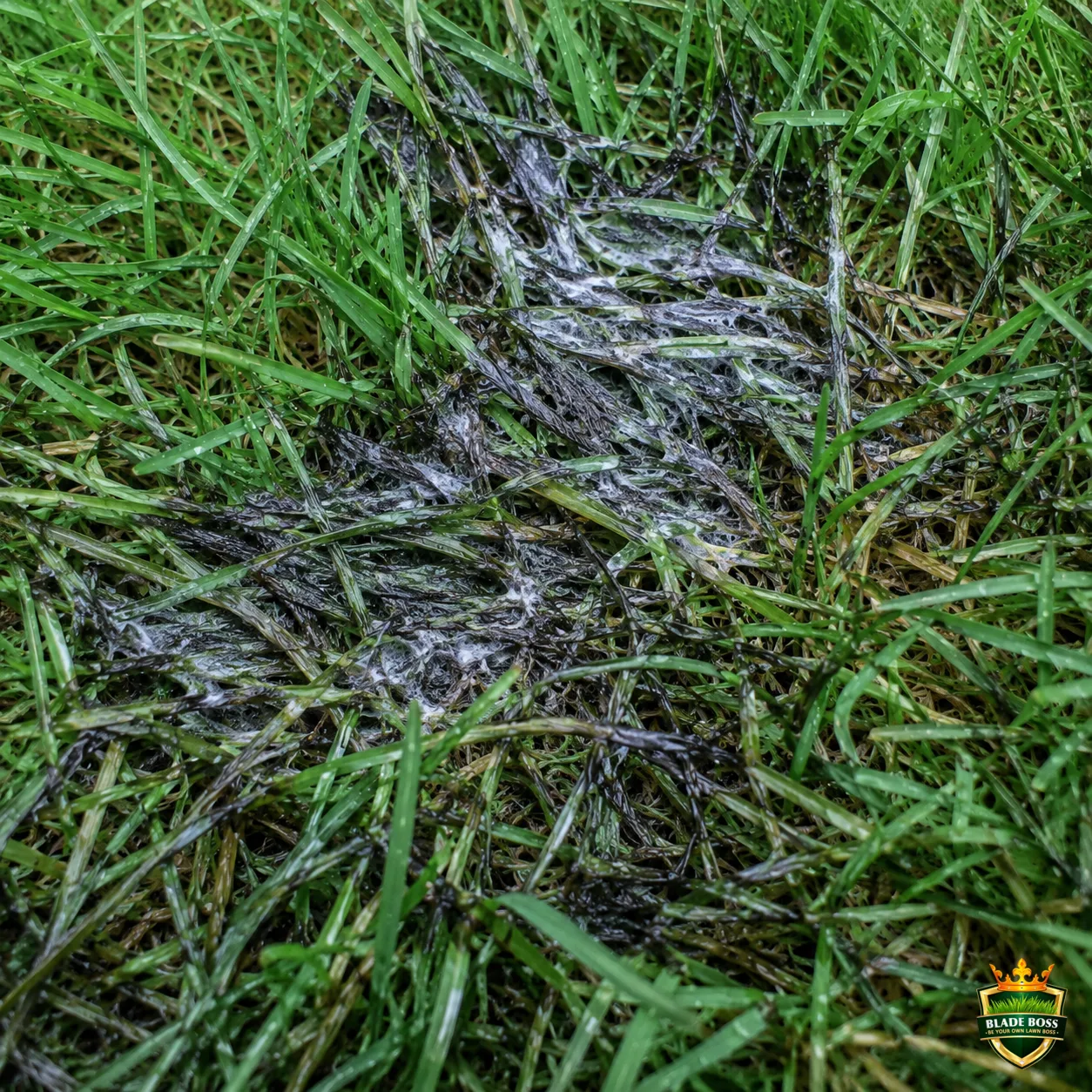
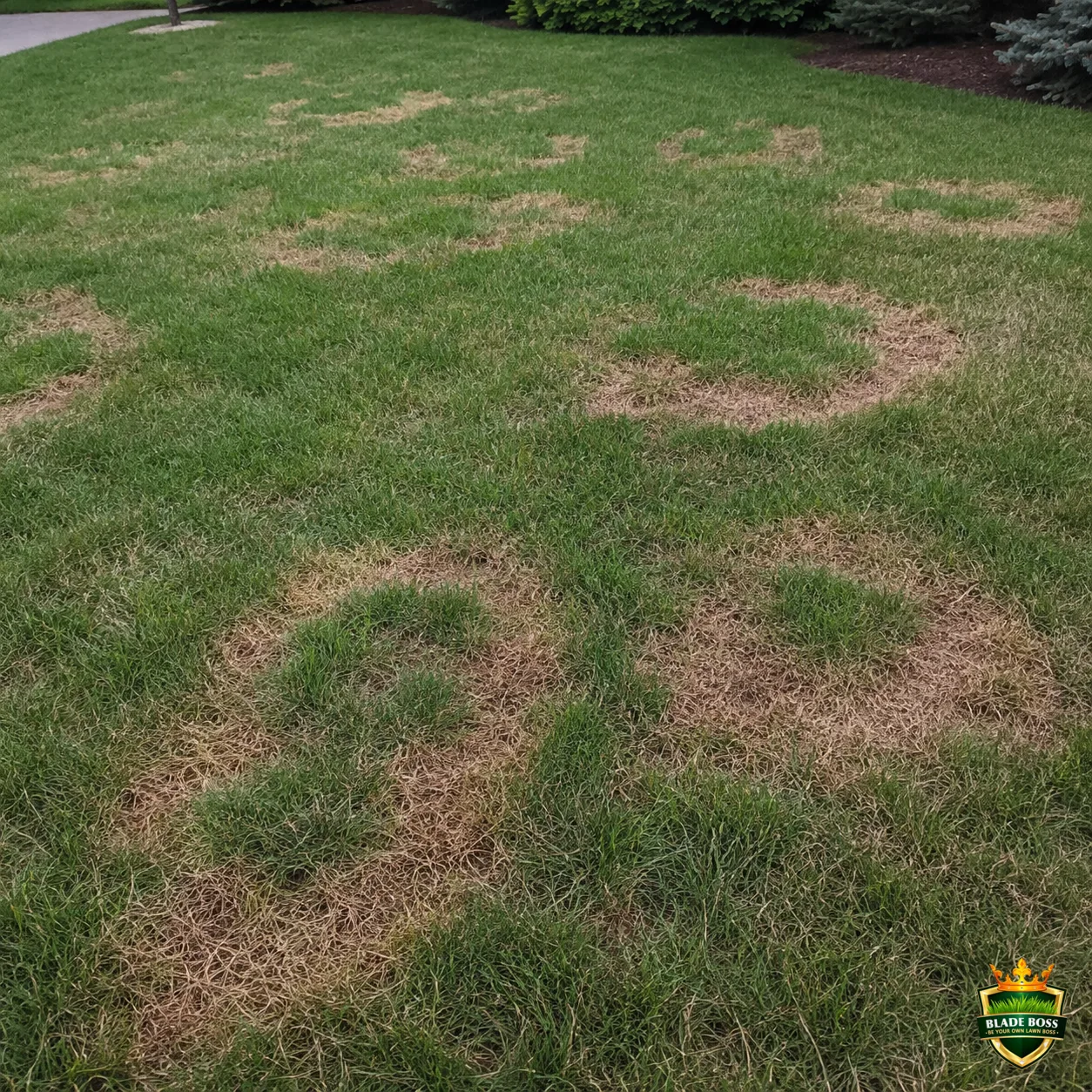
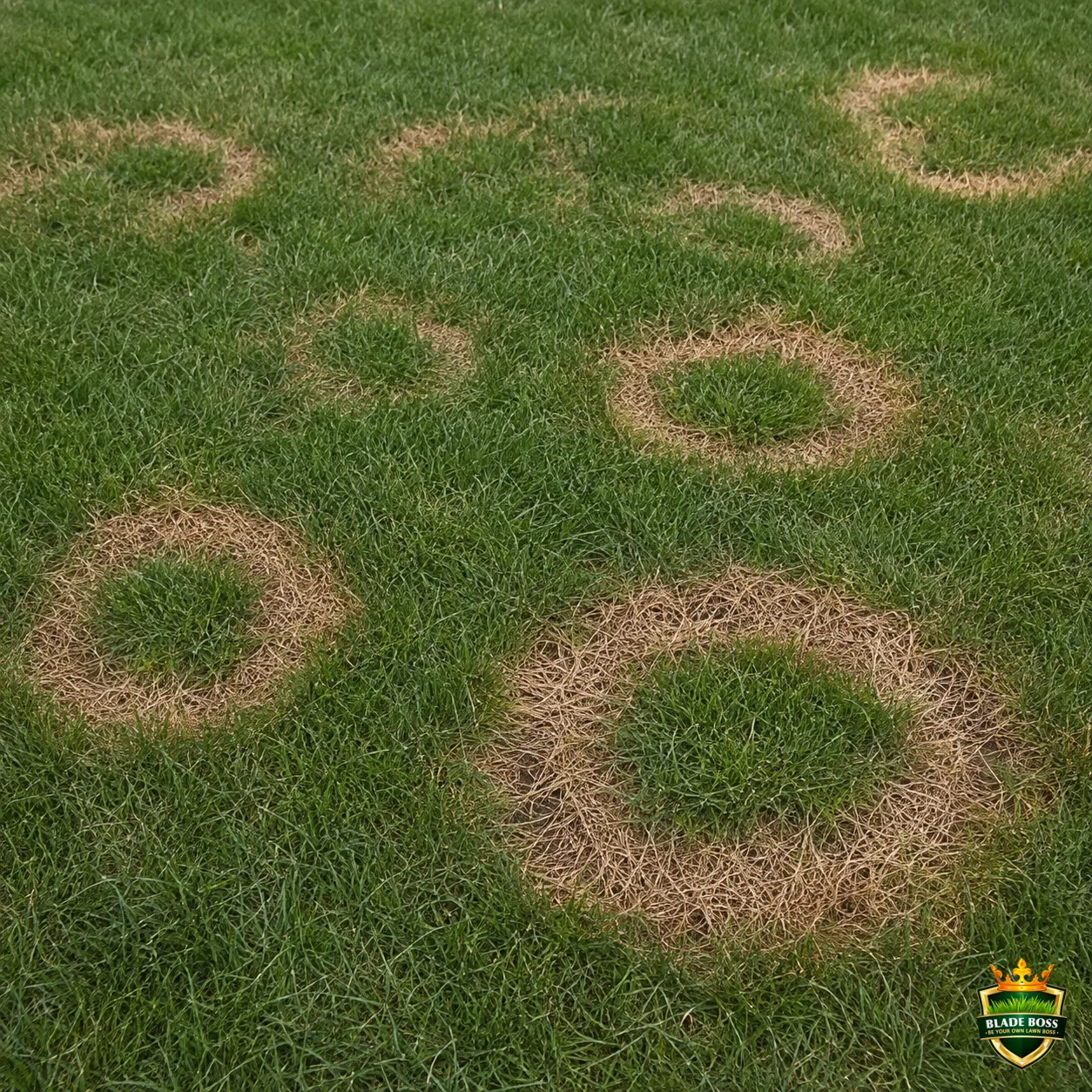
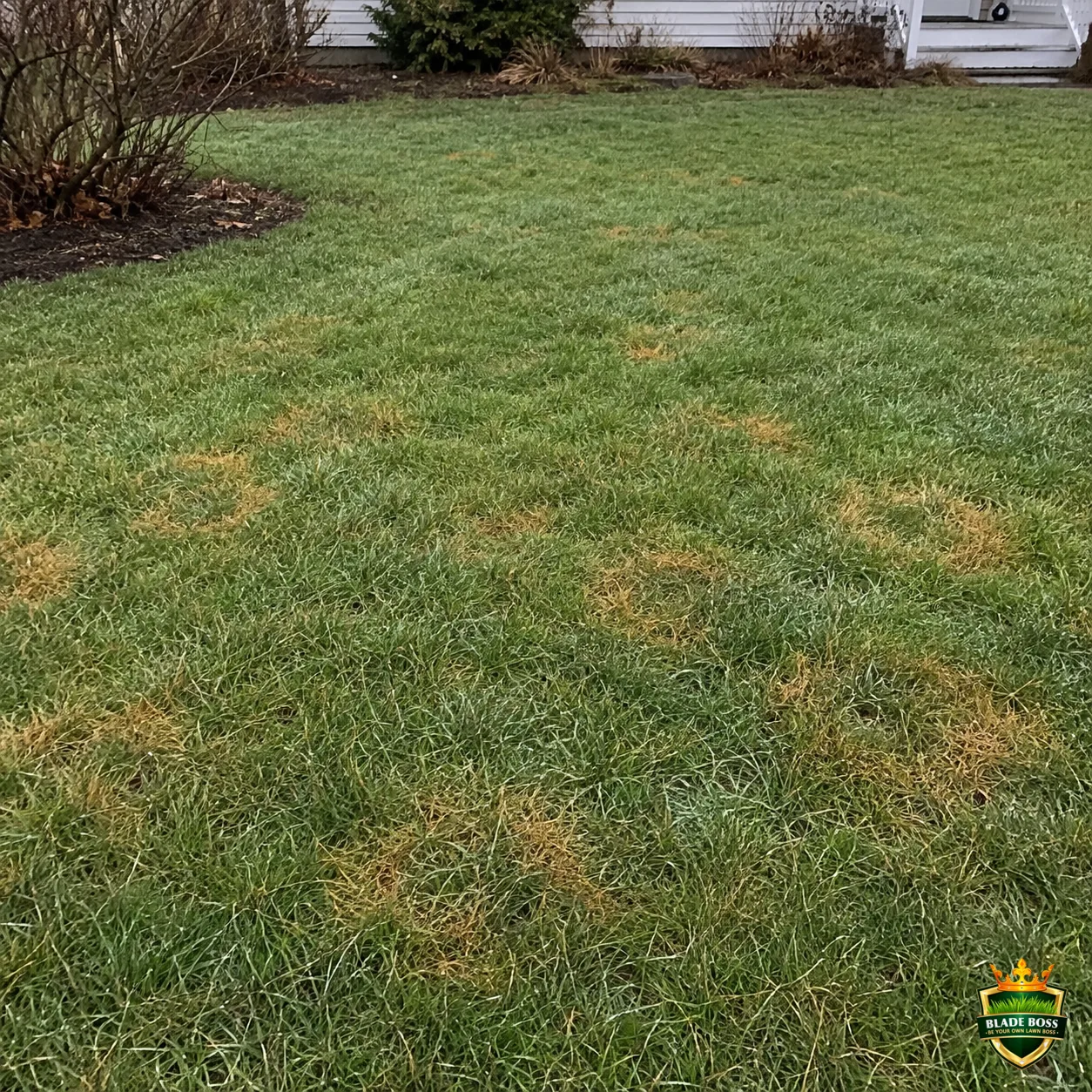
Brown spots, dead rings, weird threads or powder on your grass? Before you spray anything, find out what it actually is. This is your visual field guide to the 18 lawn diseases that hit Long Island and Northeast cool-season lawns, grouped by what you see, with the quick tell to confirm each one and the fix. Match your lawn to the photos, confirm the tell, then treat it right.
Find Your Disease Below
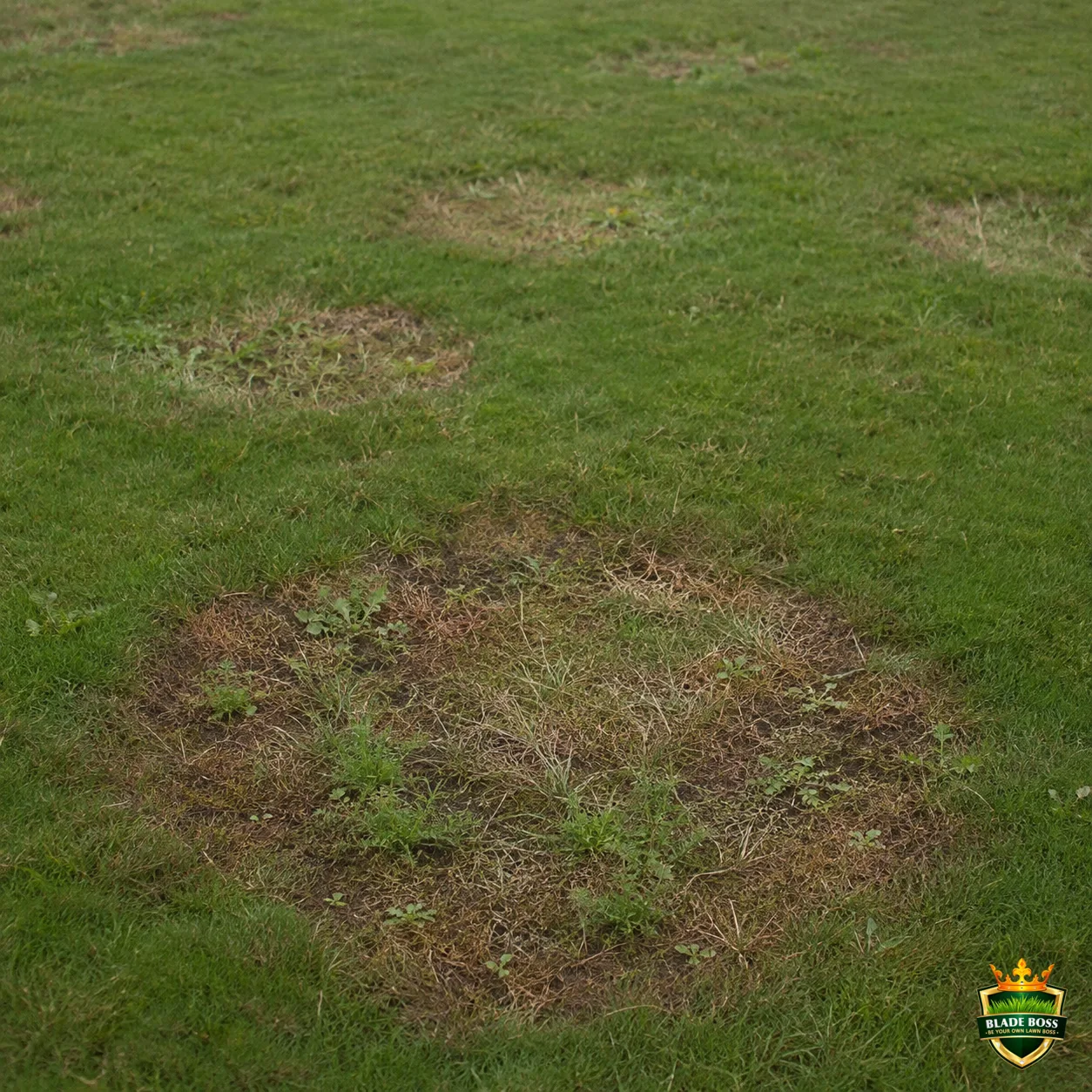
Circular Patches: The Summer Heat Diseases
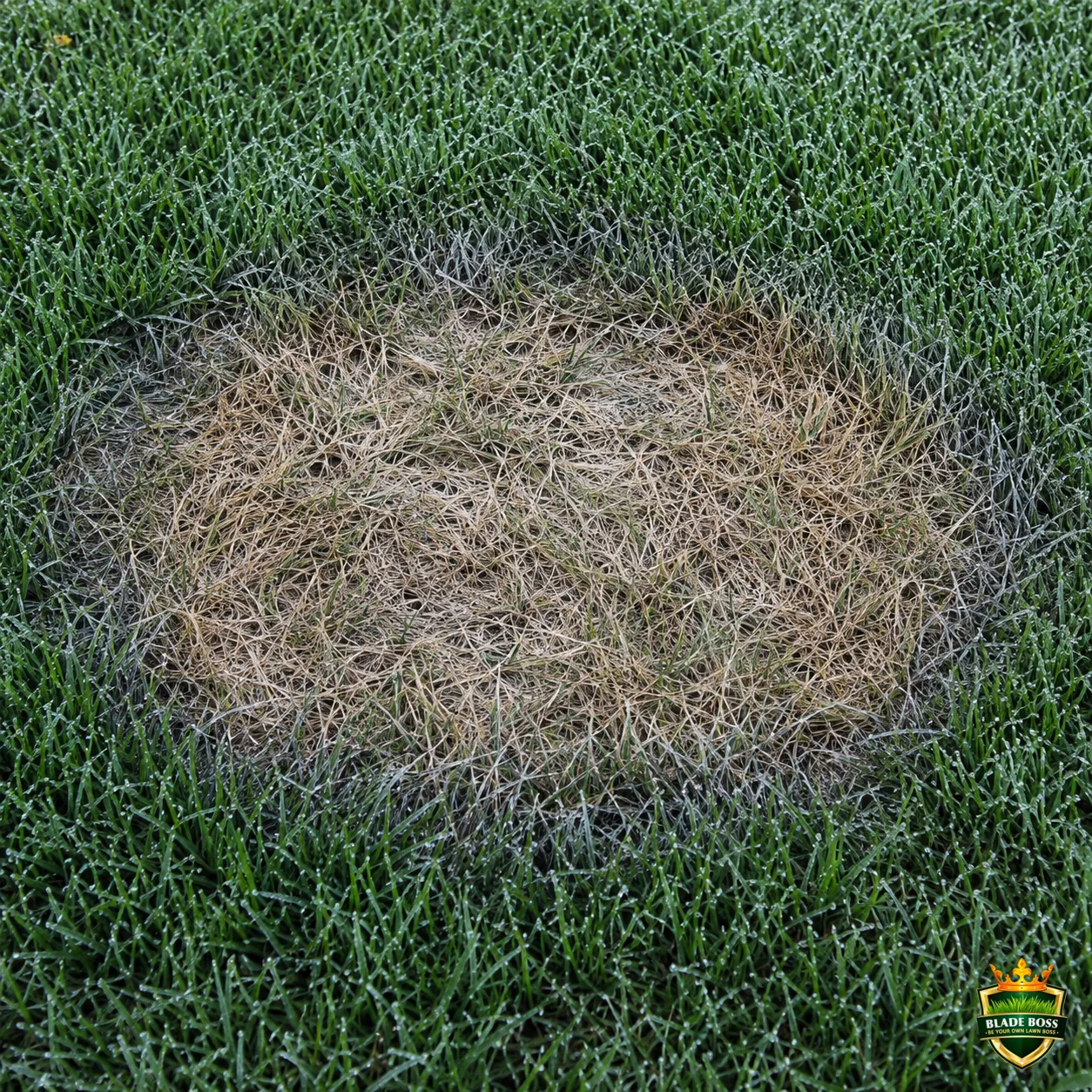
Round or blotchy dead patches that flare in hot, humid summer weather. These are the classic ones people panic over, and most are treatable if you catch them early. Find yours, confirm the tell, then treat.
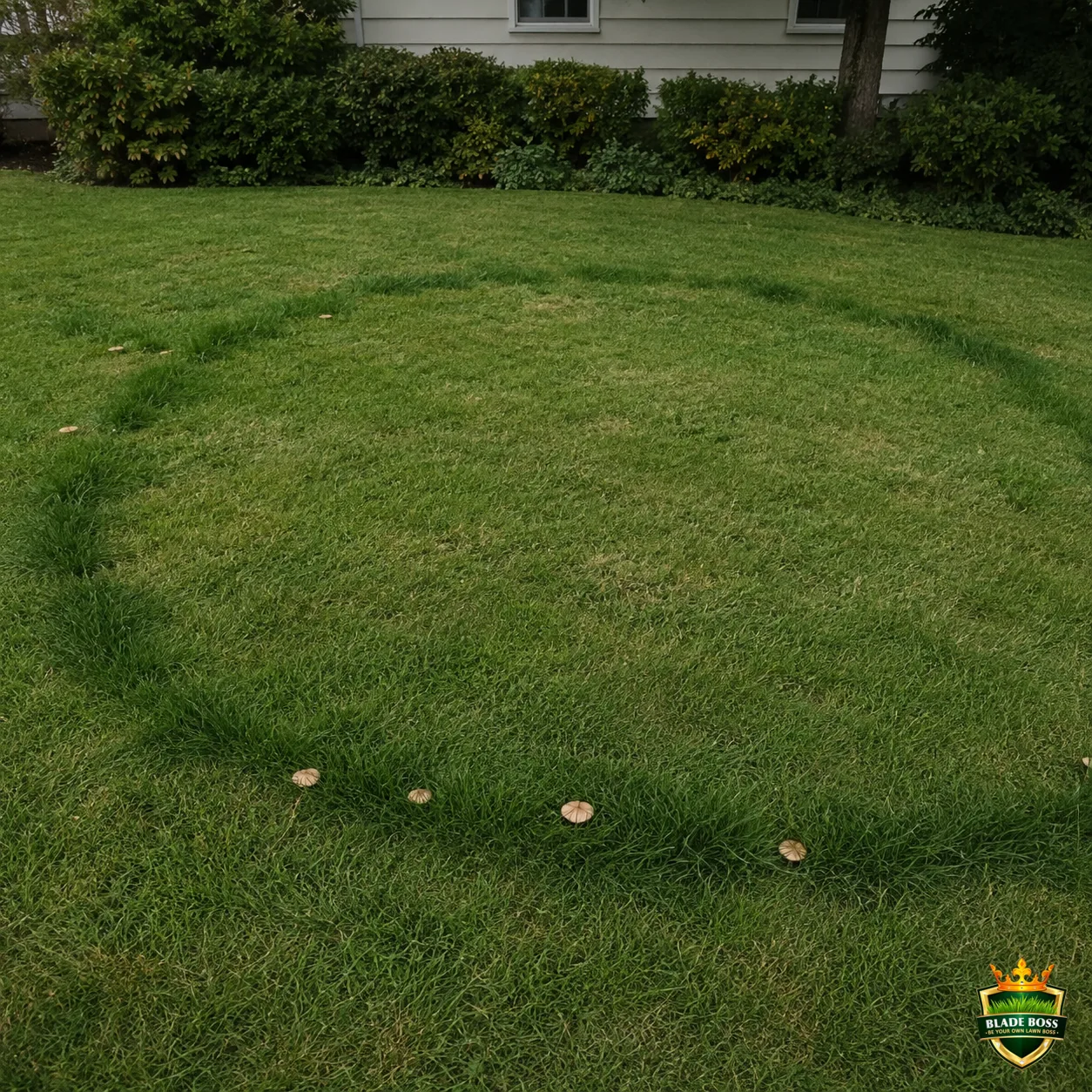
Rings and Patches: Cool and Persistent
Rings, arcs, and patches that show up in cooler or wetter stretches, or that keep coming back in the same spot year after year. Several of these are fixed by soil and culture more than by spraying.
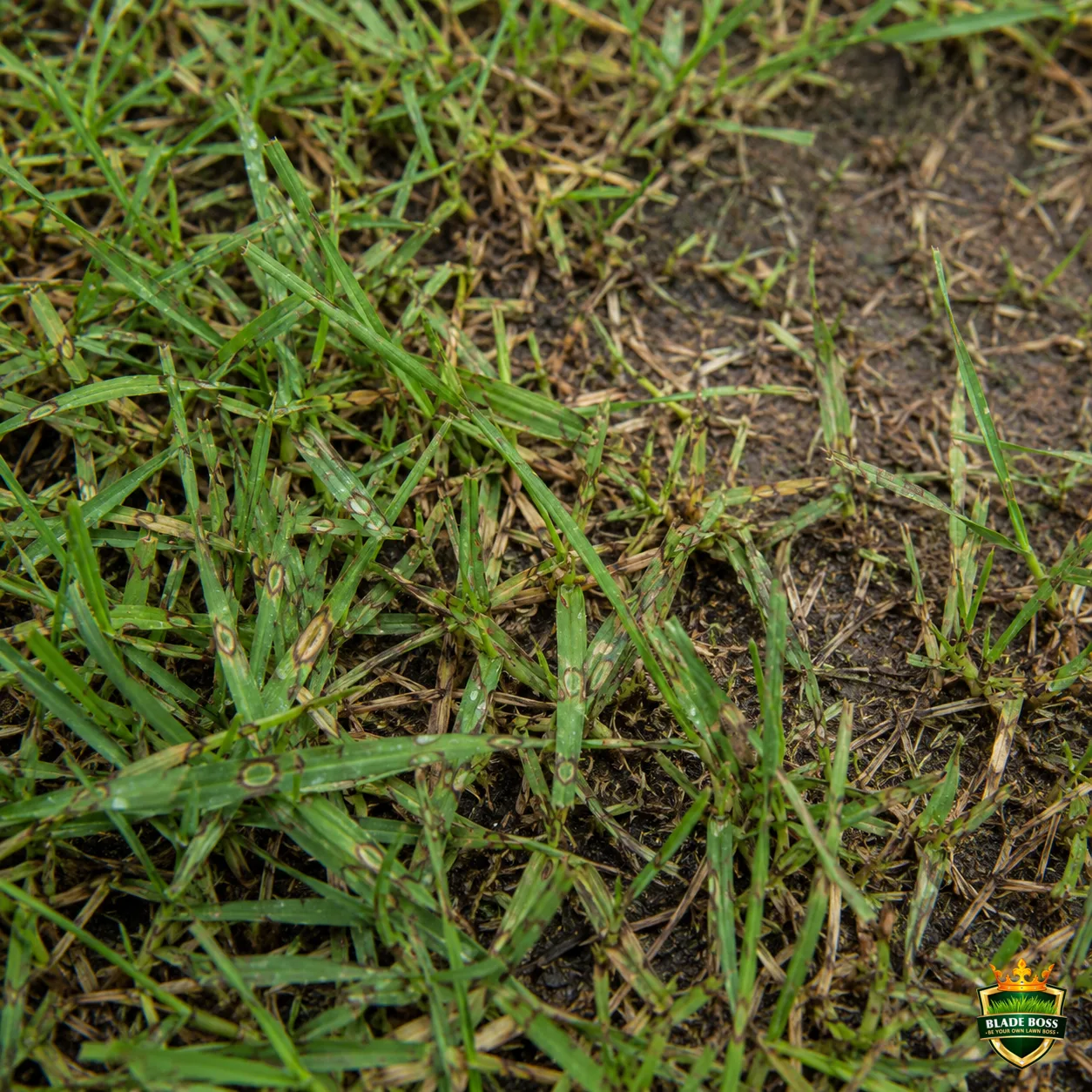
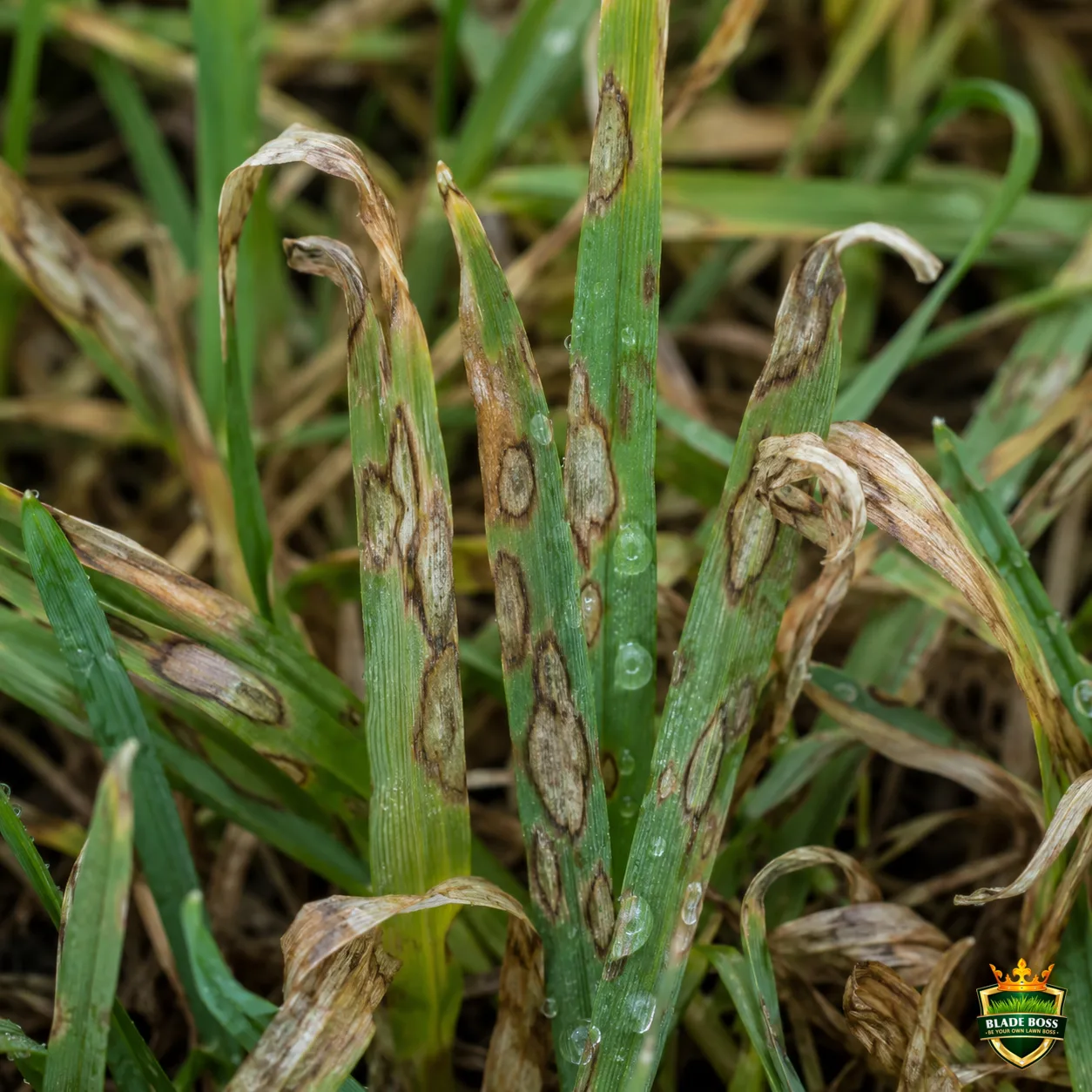
Spots and Blights on the Blades
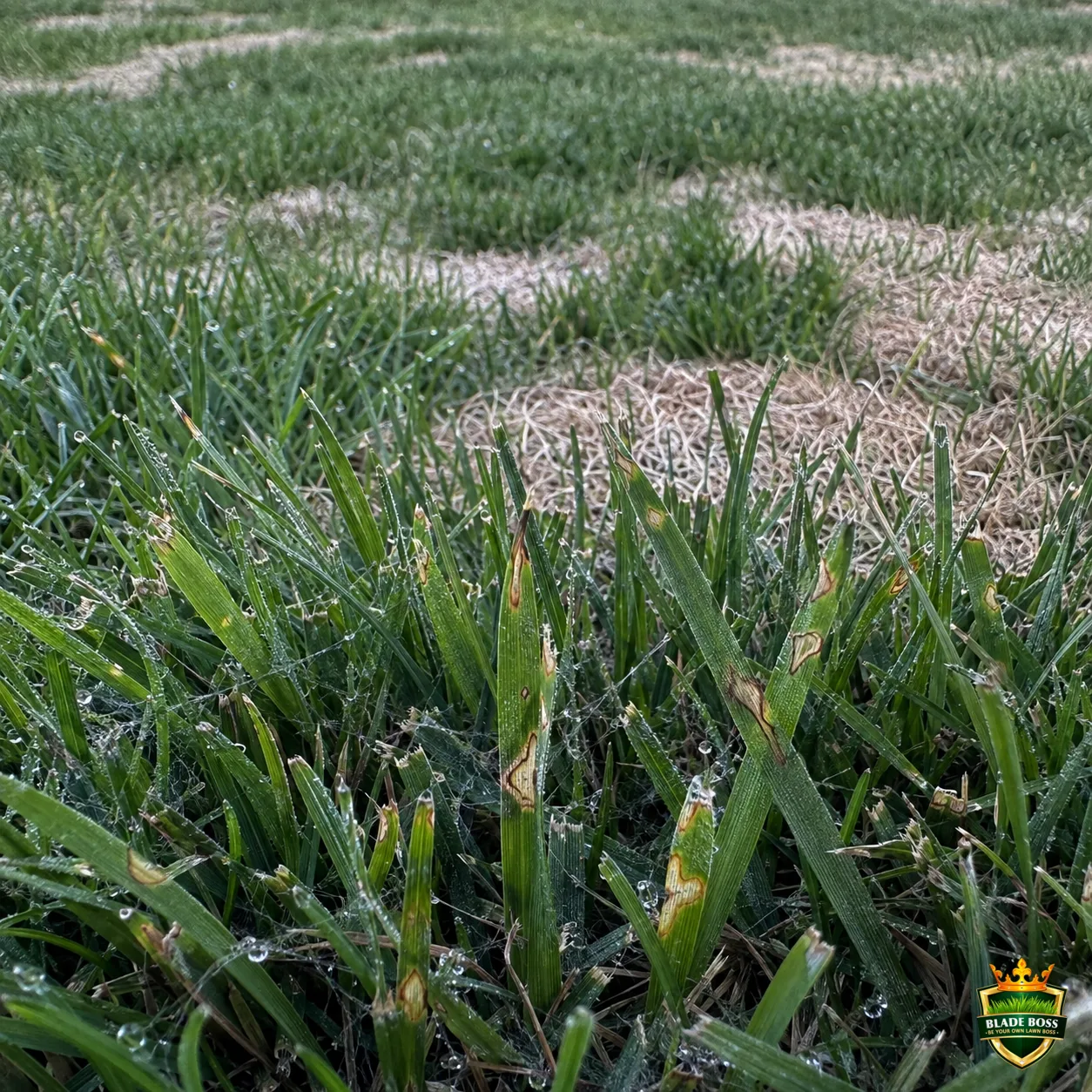
When the problem is on the individual grass blades themselves, look closely (a phone macro shot helps). The lesion shape and color is the tell here.
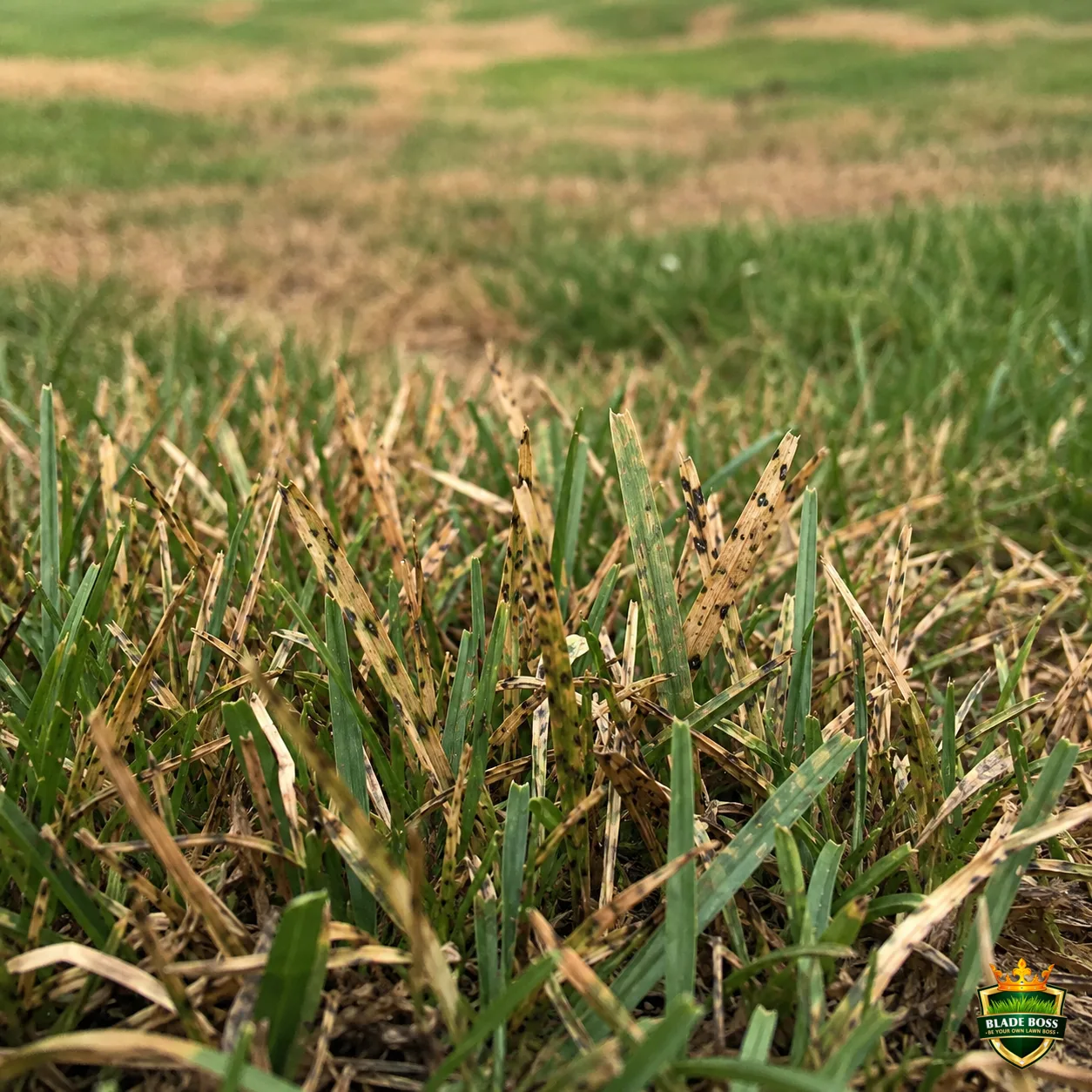
Threads, Powder, and Fuzz You Can See
When you can literally see growth on the grass (colored threads, a powdery dust, an orange film), it narrows down fast. Good news: most of this group is a feeding problem, not a spraying problem.
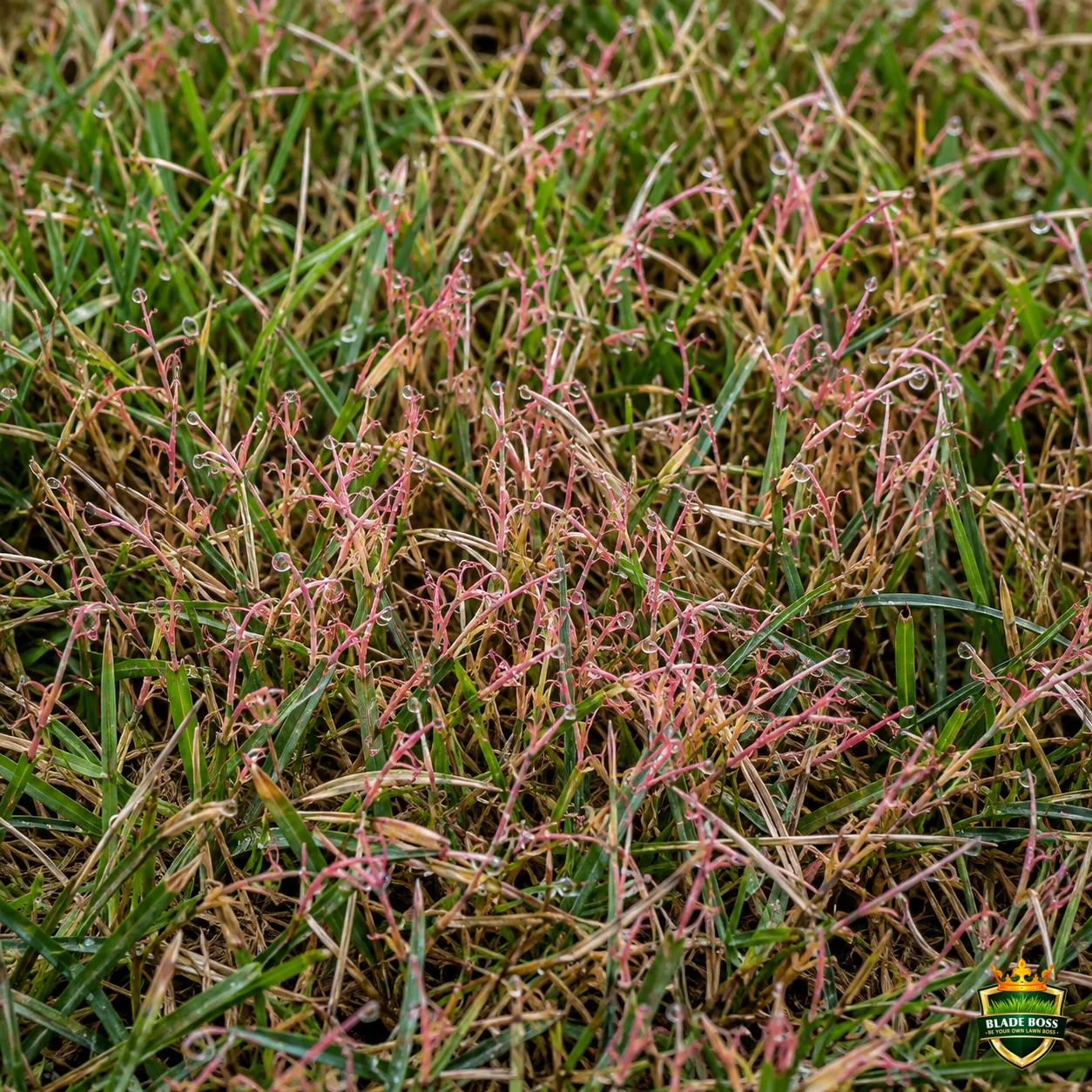
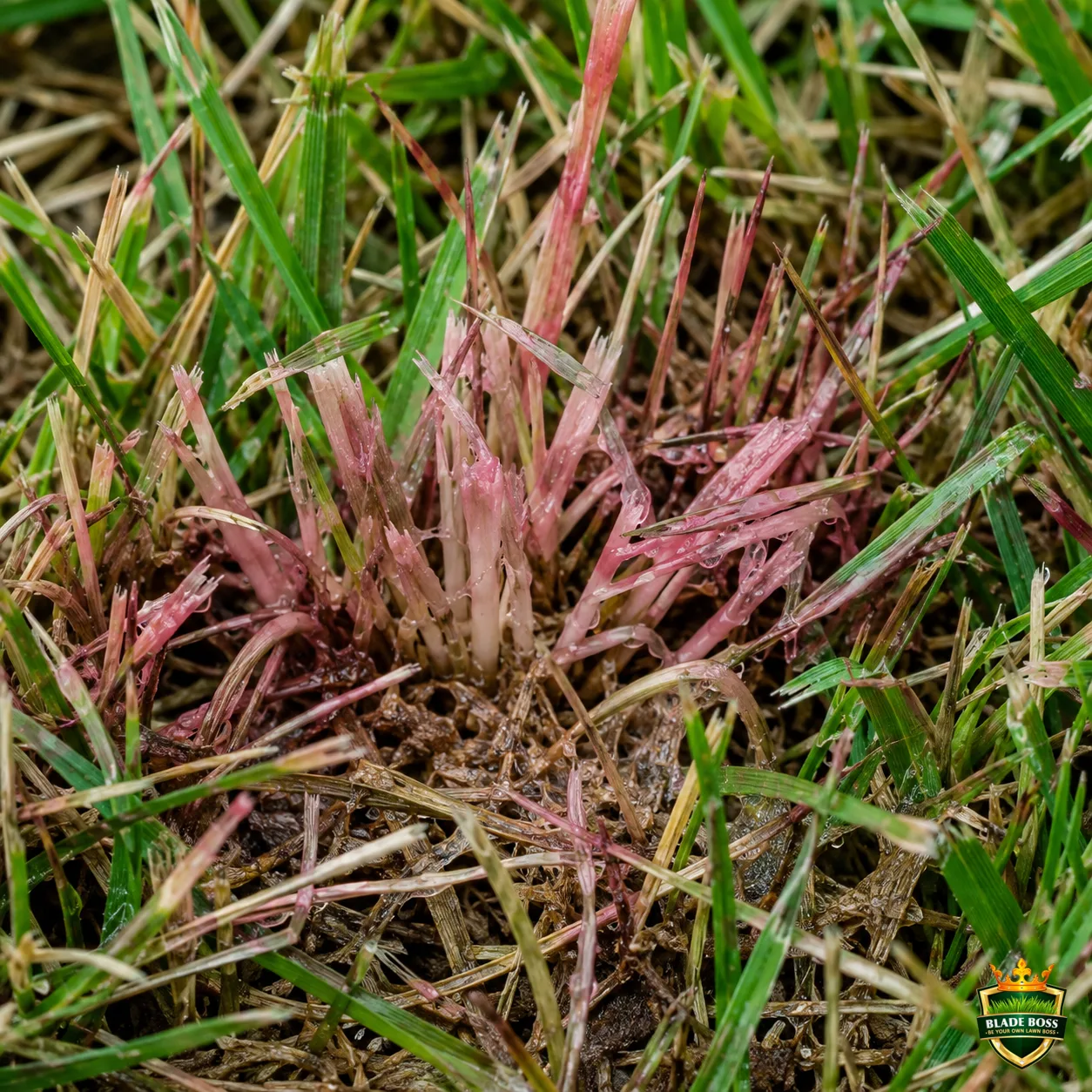
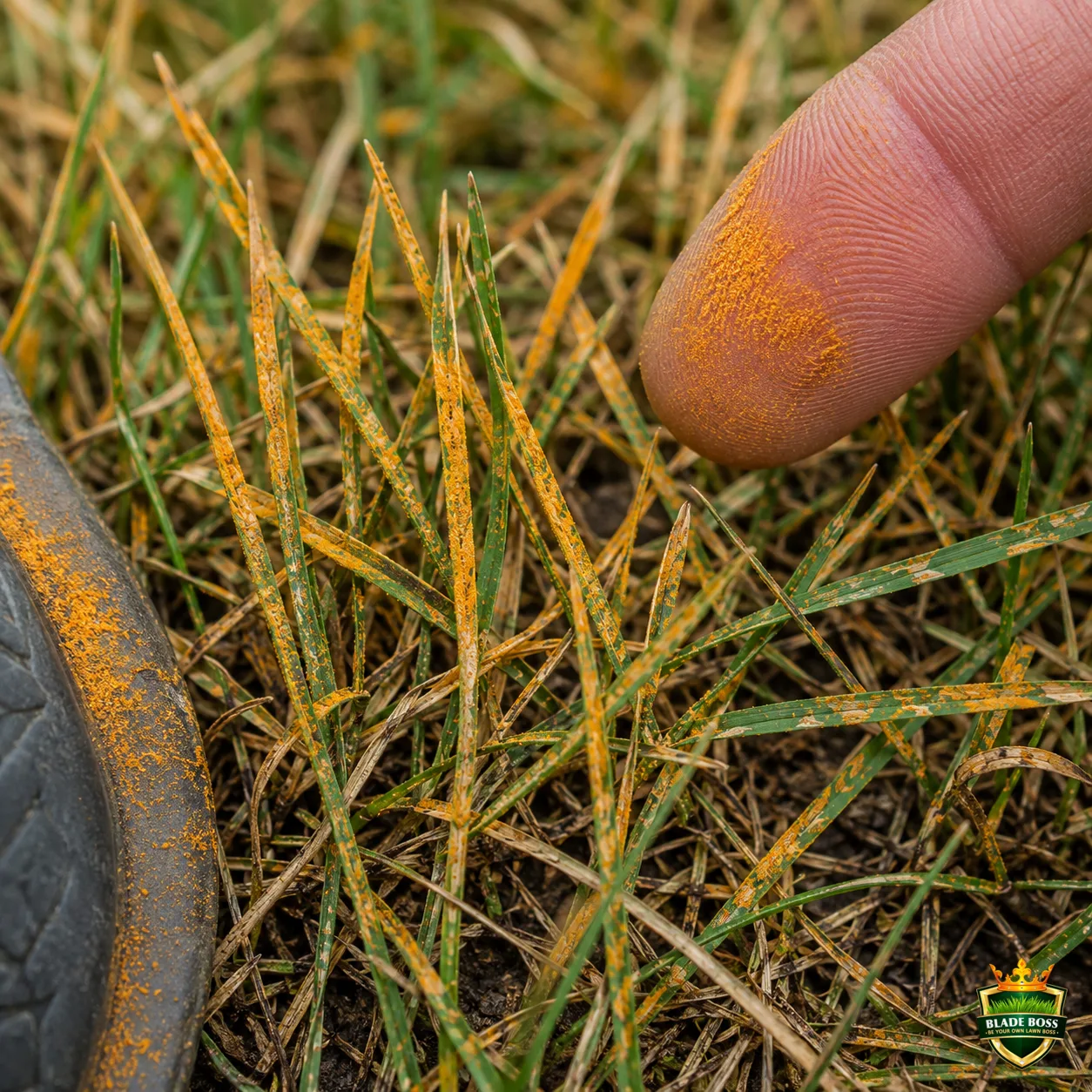
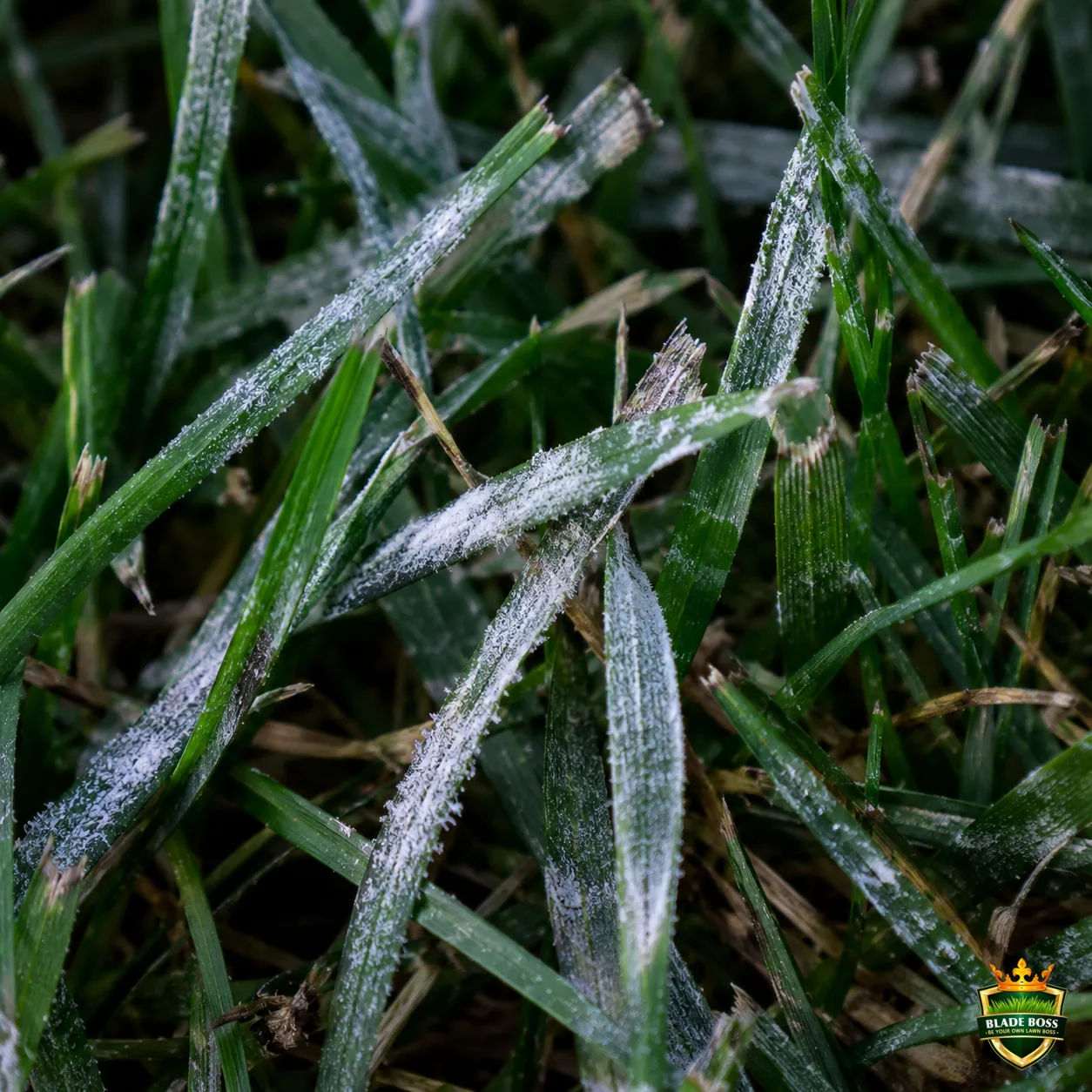
The Odd Ones: Snow Molds and Slime
These show up at the edges of the season or after odd weather, and they look alarming but are mostly harmless. Do not reach for a fungicide on any of these before reading the fix.
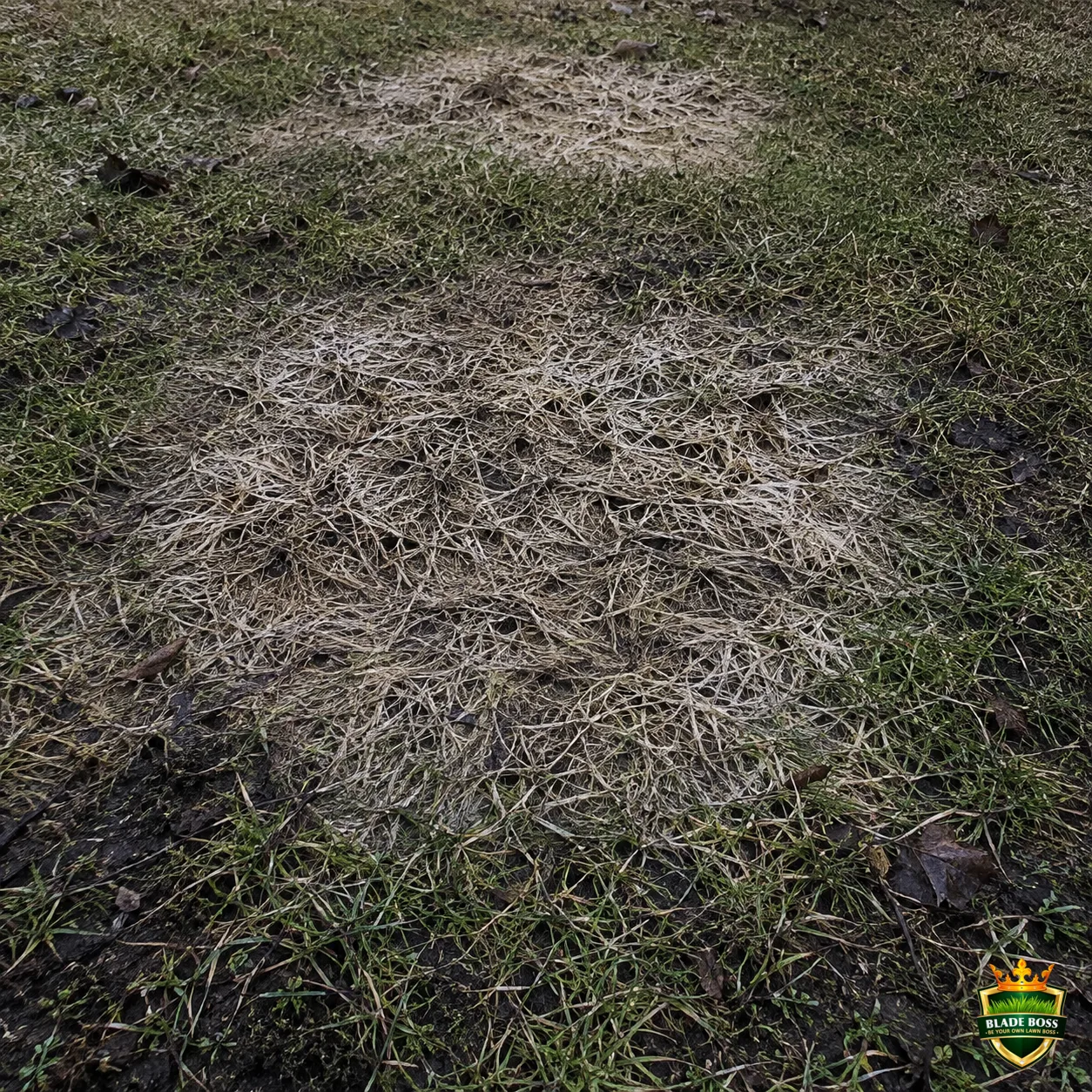
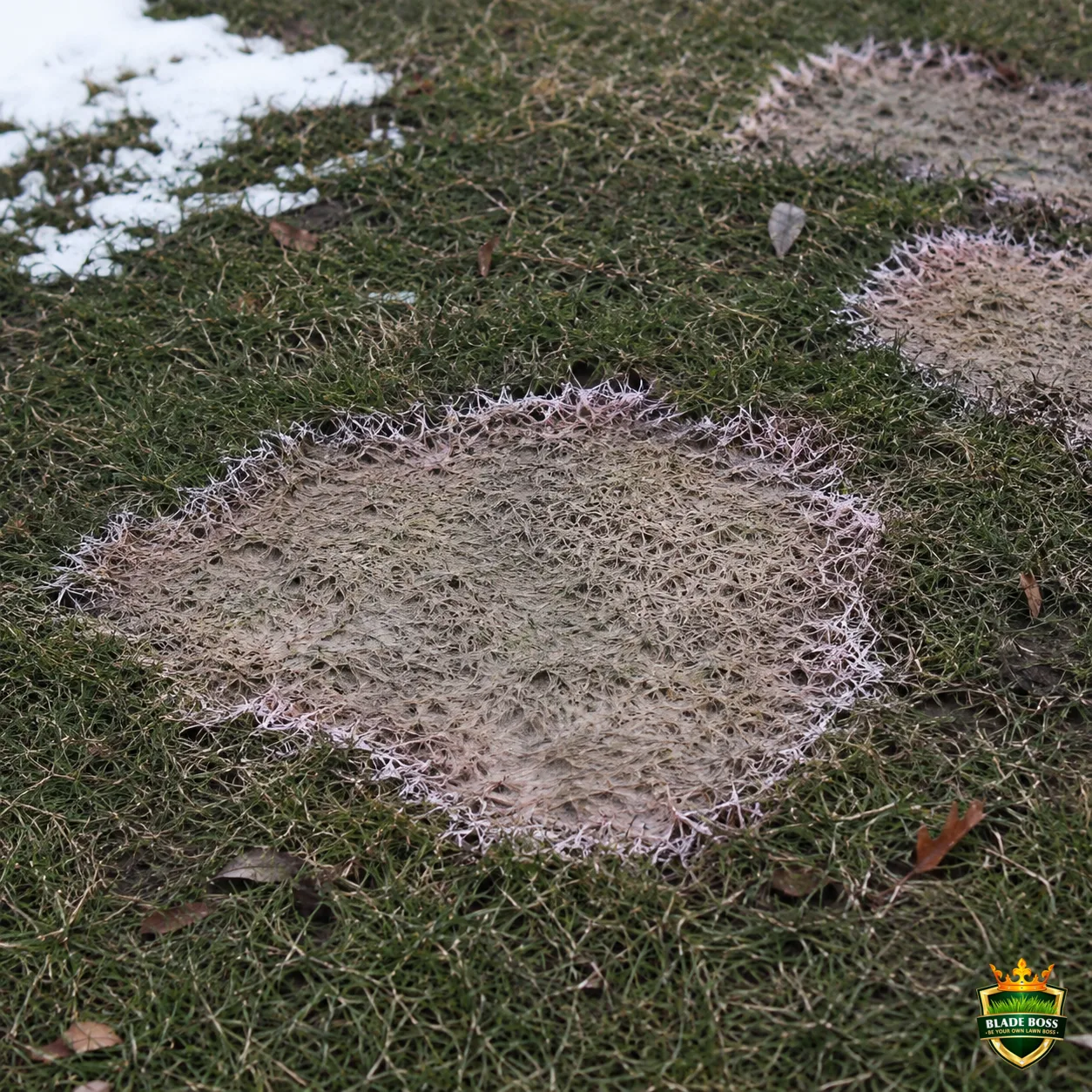
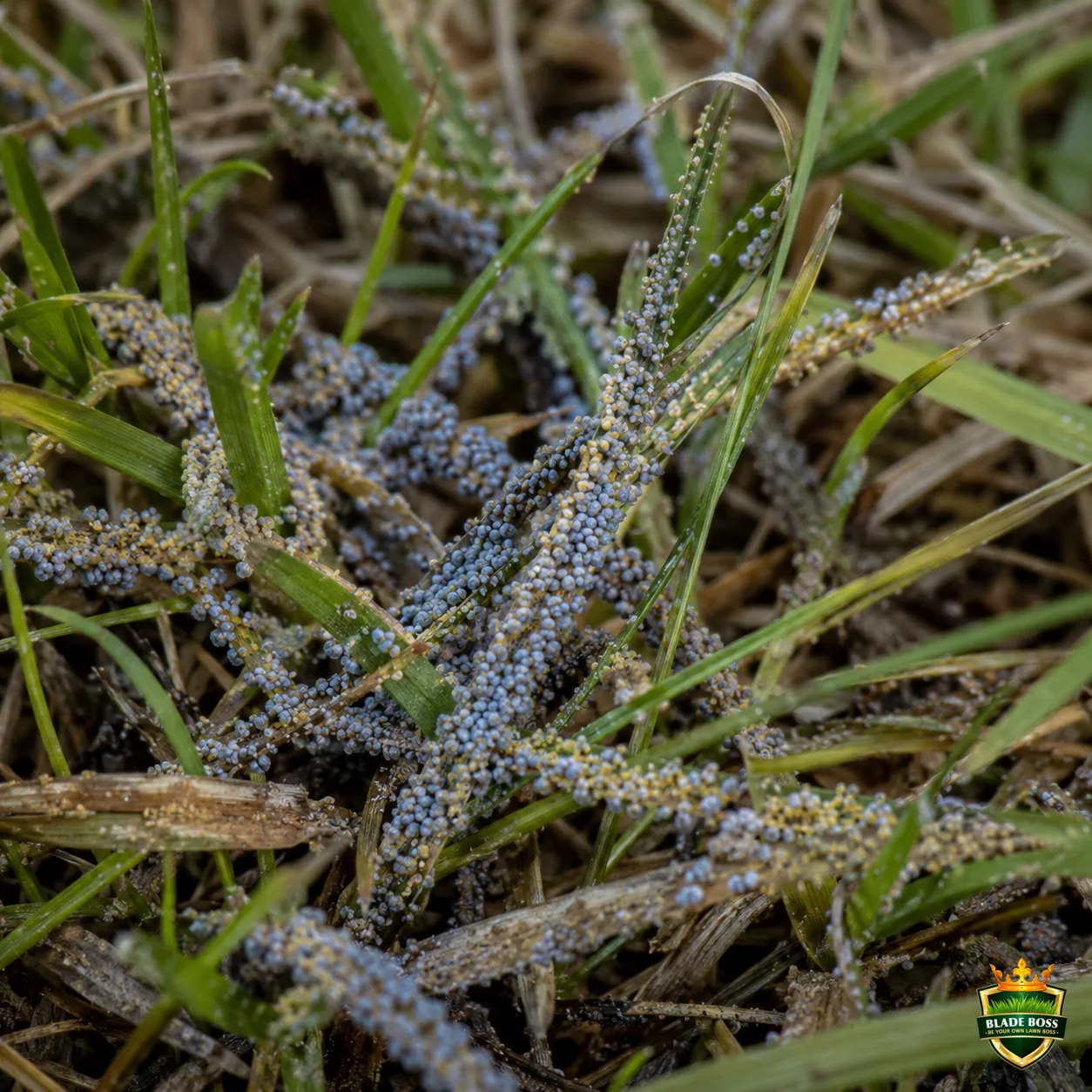
Mission Complete. Now Fly the Plan.
Now that you know what it is, treat it right. If it is a spray-treatable disease, do not guess at products, use a proper FRAC-group rotation so you do not breed resistance. Pick your level: the beginner box-store rotation, the intermediate concentrate rotation, or the advanced four-group rotation. If it landed in the cultural-fix group (red thread, rust, powdery mildew, the snow molds, slime mold), skip the sprayer entirely and fix the underlying habit: feeding, mowing, airflow, or drainage. And track the hot, humid stretches that trigger the summer diseases with the Weather Hub so you can get ahead of them next time.
Want This as a Printable Field Manual?
Drop your email and the print-ready PDF version lands in your hands. Take it to the lawn, no phone required.
Crew Questions - FAQ
How do I know if my lawn has a disease or something else?
Most brown or dead areas in a lawn are NOT disease, so rule out the lookalikes first. Drought stress shows up on high spots and along edges and greens back up after watering. Grub damage lets you peel the turf back like a loose carpet because the roots are chewed off. Dog urine leaves small dead spots ringed by extra-dark green grass. A dull mower blade shreds and browns the very tips of otherwise healthy grass across the whole lawn. If none of those fit, then look for true disease signs: distinct circular patches or rings, lesions or spots on individual blades, or visible fungal growth like colored threads, powder, or mold. Match what you see to the photos in this guide, and note the weather, since temperature and moisture are the biggest clue to which disease you have.
What are the most common lawn diseases on Long Island?
On Long Island and across the cool-season Northeast, the ones you will run into most are dollar spot and brown patch in hot, humid summer weather, red thread in cool wet spring and fall (a sign the lawn is underfed), and leaf spot or melting out in cool damp spring conditions. Rust is common in late summer on slow-growing, underfed lawns, and powdery mildew shows up in shady, still, humid corners. Pythium blight is less common but the most dangerous, exploding in hot, humid, waterlogged conditions and killing fast. After a snowy winter you may find gray or pink snow mold as the snow melts. Which ones you see depends heavily on your conditions: overwatering, poor drainage, heavy shade, low airflow, and either too much or too little nitrogen all tip the balance toward disease.
Do I actually need to spray a fungicide?
Often, no. A large share of what looks like lawn disease is fixed by changing a habit rather than spraying. Red thread, pink patch, and rust are usually just telling you the lawn is underfed, so a nitrogen feeding cures them. Powdery mildew is a shade and airflow problem, fairy ring is mostly cosmetic and managed culturally, and the snow molds and slime mold typically recover on their own once you rake and dry the area. Fungicides earn their cost on the aggressive, genuinely damaging diseases, brown patch, dollar spot, Pythium blight, gray leaf spot, summer patch, and active leaf spot, and even then they work best alongside fixing the conditions that caused the outbreak (usually overwatering, poor airflow, or a mowing or fertility problem). If you do spray, rotate fungicide groups so the disease does not build resistance.
When do lawn diseases show up?
Disease follows the weather, which is why the season it appears is such a strong ID clue. Cool, wet spring brings leaf spot and red thread. Hot, humid summer, especially warm nights above 65 to 70F, is peak season for brown patch, dollar spot, Pythium blight, summer patch, and gray leaf spot; these thrive on heat plus moisture, so overwatering or evening watering in summer makes them far worse. Cool, wet fall brings red thread back and can start yellow patch. And winter under snow cover sets up gray and pink snow mold, which you discover as the snow melts in early spring. Because each disease has its own temperature and moisture window, noting the current conditions is one of the fastest ways to narrow down what you are looking at.
Why is it important to identify a lawn disease before treating it?
Because the fix is completely different depending on what you have, and guessing wrong costs you money and can make things worse. Half the problems in this guide need no fungicide at all, so spraying them is wasted money on a cure the lawn did not need. For the diseases that do warrant a fungicide, products are group-specific and each targets certain pathogens, so the wrong product simply does not work, and repeatedly spraying the same chemical group breeds resistant disease that becomes far harder to control. On top of that, several non-disease problems (drought, grubs, dog urine, dull-blade damage) look like disease but will not respond to a fungicide no matter how much you spray. Identifying the exact cause first points you straight to the one fix that actually works, which is the entire purpose of this guide.
How do I prevent lawn diseases in the first place?
Most lawn disease is a symptom of a condition you can control, so prevention comes down to a handful of habits. Water deeply but infrequently, and do it in the early morning rather than the evening so the blades dry during the day, because wet grass overnight is exactly what most fungi need to take hold. Improve airflow and sunlight wherever you can, since shady, still, humid pockets are disease factories. Do not pour on nitrogen in summer heat, lush over-fed grass is far more disease-prone, but do not starve the lawn either, because underfed turf invites red thread and rust. Mow at the right height with a sharp blade, since a dull blade shreds the tips and opens a wound for infection, keep thatch in check, and relieve compaction with aeration so water drains instead of pooling. Do those things and you prevent far more disease than any fungicide will ever cure.
Does lawn disease go away on its own, and will it spread?
It depends on the disease and the weather. Many of the milder ones, red thread, rust, the snow molds, slime mold, and often yellow patch, clear up on their own once the triggering weather passes or once you correct the underlying issue (usually a feeding or a shift to drier conditions), so they need no spray. The aggressive ones behave differently: brown patch, dollar spot, and especially Pythium blight can expand quickly while hot, humid conditions last, and Pythium in particular can kill large areas in a day or two, so those are worth acting on fast. Disease spreads through the same conditions that started it, heat, moisture, and stress, plus foot traffic and mowing while the grass is wet, which is why you should stay off a wet diseased lawn and mow the affected areas last. In short, fix the conditions and the mild stuff fades, but catch the aggressive stuff early before it runs.