

GUIDE FUNG-02 · REV B
How to Apply Lawn Fungicide: The Two-Product Concentrate Rotation
You ran the box-store rotation and you are ready for real control. This is the step up: two professional concentrates, exact rates measured to the milliliter, and a clear split between preventive doses and the heavier curative doses you reach for when disease is already active.
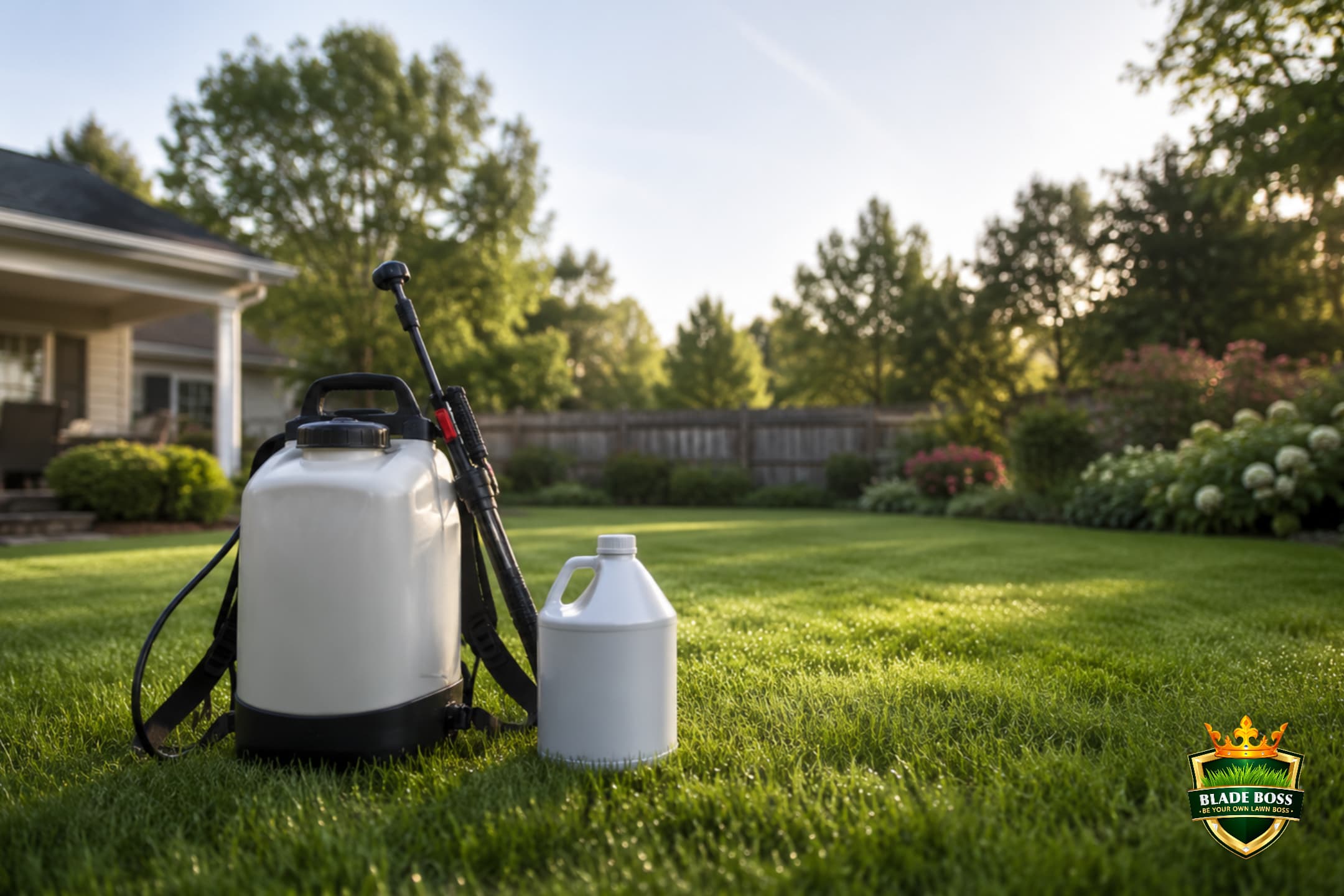
Pre-Flight Checklist - What You Need
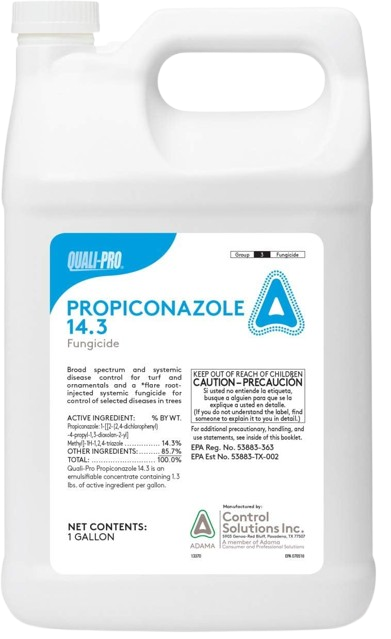
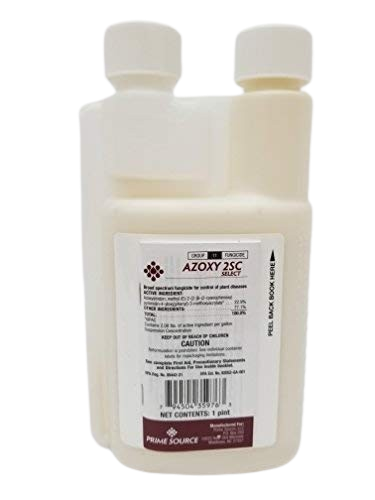
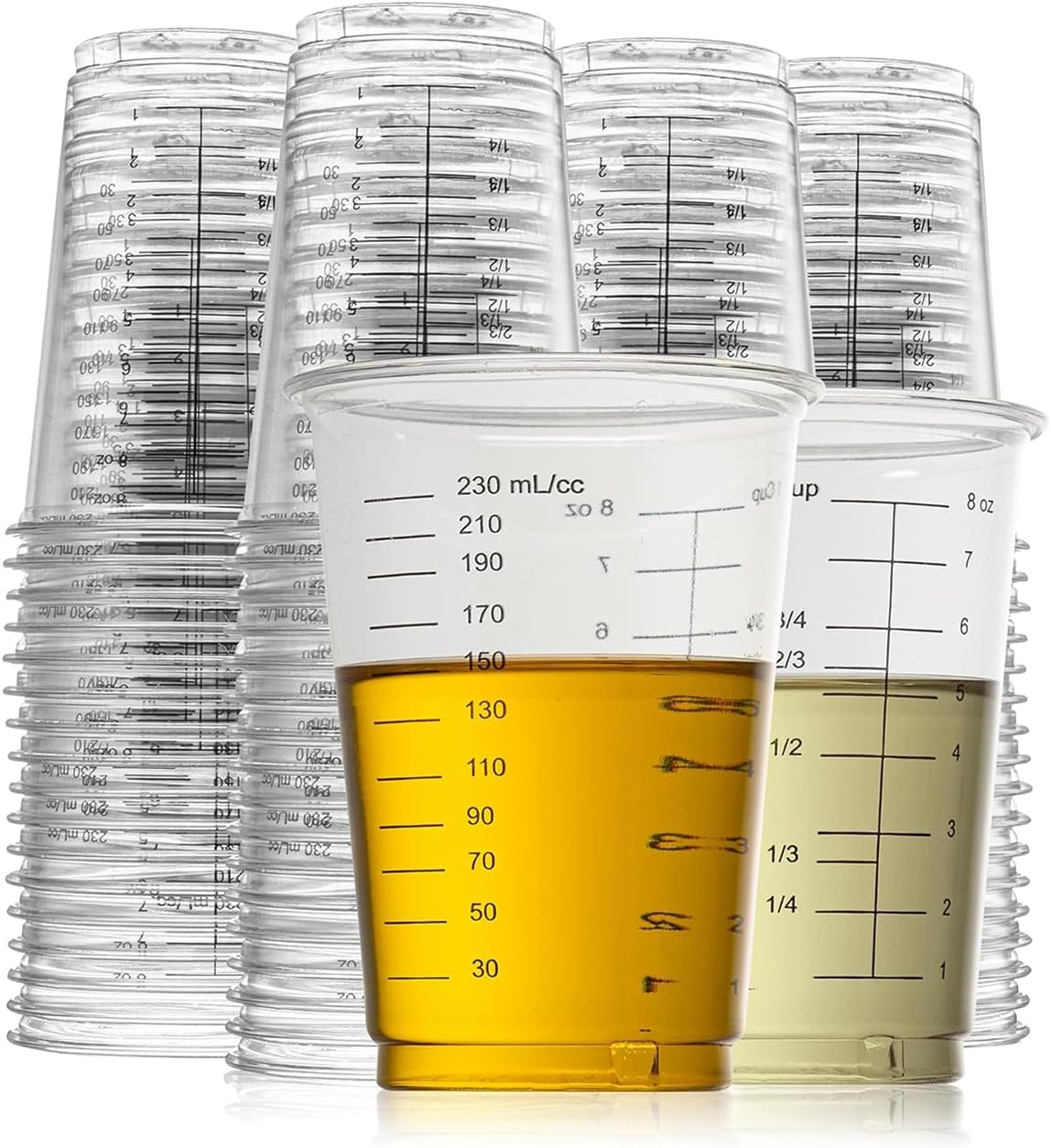
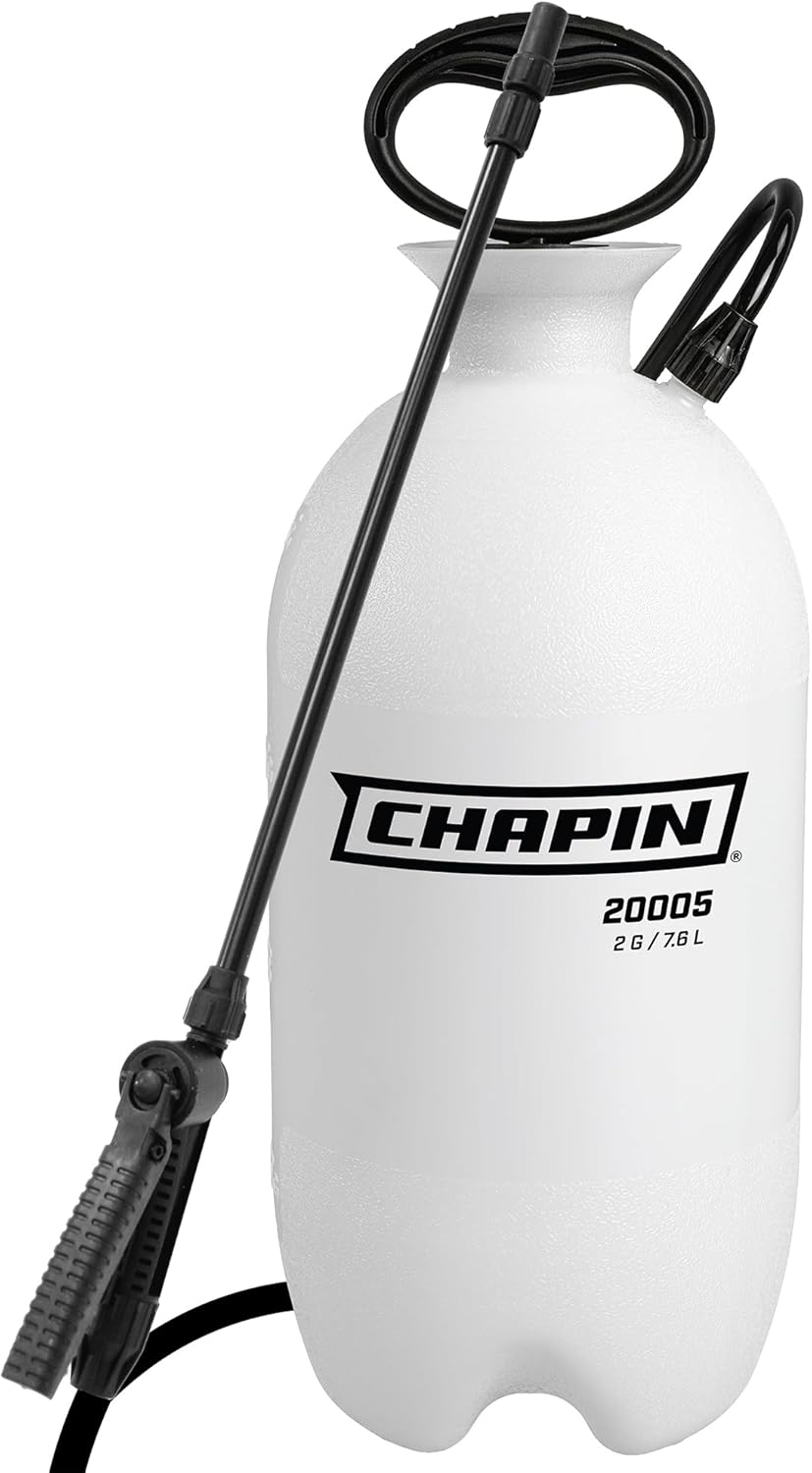
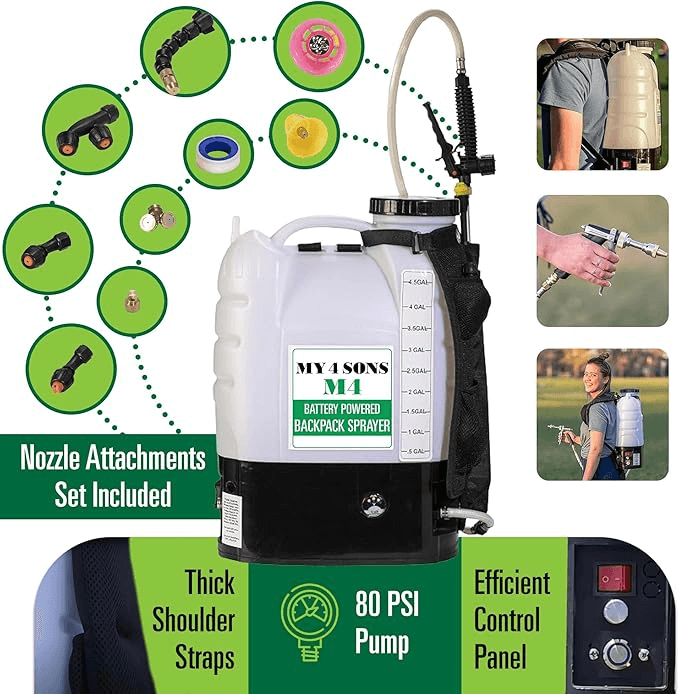
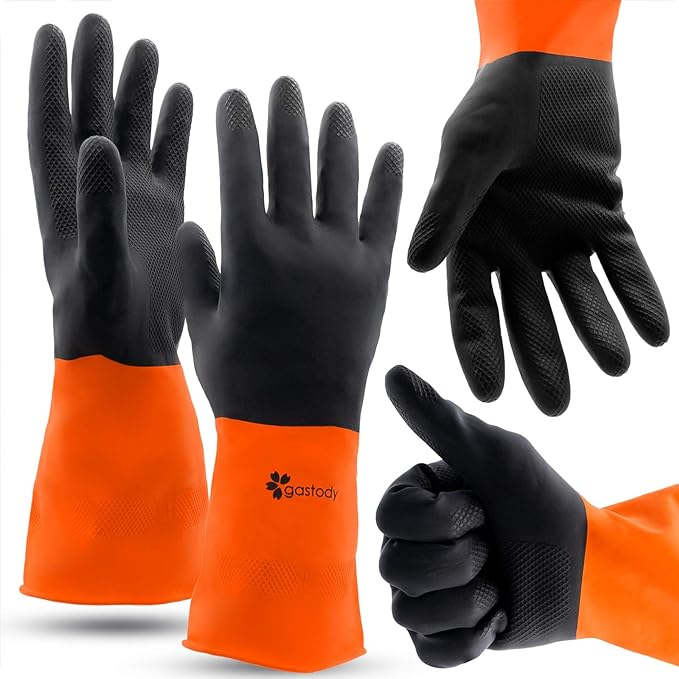
As an Amazon Associate, Blade Boss earns from qualifying purchases. It never costs you a penny more.
Why Step Up From Box-Store
The box-store bottles work, but they cap out fast. You cannot control the exact rate, coverage is approximate, and you burn through expensive small bottles covering a normal yard. Two professional concentrates fix all three. The same two FRAC groups, propiconazole and azoxystrobin, now come as concentrates you measure and mix yourself.
Exact rate control to the milliliter. Far more coverage per dollar (one bottle treats a whole season). Even, complete spray coverage with a real sprayer. And the ability to switch between preventive and curative doses, which box-store products do not let you do.
A small up-front gear investment (a sprayer and a measuring cup), the discipline to measure precisely, and basic safety habits. This is a pesticide concentrate, not a ready-to-spray bottle. Respect the label and the rate.
Your Two Concentrates
Same two FRAC groups as the beginner guide, now in professional concentrate form. These two actives together cover every major Long Island lawn disease except Pythium. You alternate them, exactly like the box-store version, but now you control the dose. The products are listed up top in the Pre-Flight Checklist.
- Propiconazole 14.3, FRAC 3. Your dollar spot and red thread specialist, and a DMI that is safest applied in cool weather. App 1 of the rotation, because the Long Island season opens with dollar spot and red thread in late May.
- Azoxystrobin (Azoxy 2SC), FRAC 11. Your broad-spectrum workhorse, strong on brown patch and summer patch. App 2 of the rotation, landing in mid June as brown patch wakes up.
- Alternate them every application. Never run the same FRAC group more than twice in a row, or you start breeding resistance.
Preventive vs Curative - The Rate That Changes Everything
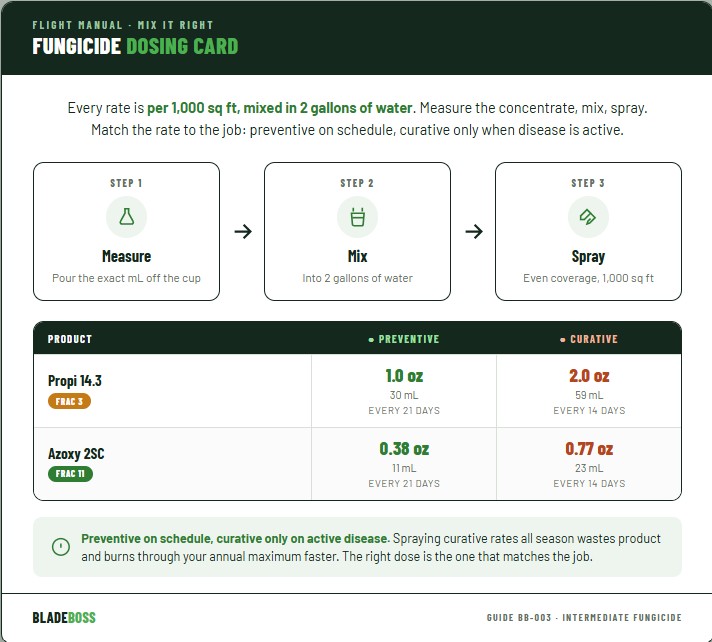
This is the single biggest thing concentrates unlock, and the whole reason this tier exists. The same product is applied at two different rates depending on the job. A lower preventive rate keeps disease from ever starting. A higher curative rate knocks back disease that is already active. Box-store bottles only give you one rate. Concentrates let you choose.
| Product | FRAC | Preventive | Curative |
|---|---|---|---|
| Propi 14.3 (14.3%) | 3 | 1.0 fl oz / 21 days | 2.0 fl oz / 14 days |
| Azoxy 2SC (22.9%) | 11 | 0.38 fl oz / 21 days | 0.77 fl oz / 14 days |
Rules of Engagement (ROE's)
The Flight Plan - Step by Step
Pick Your Sprayer
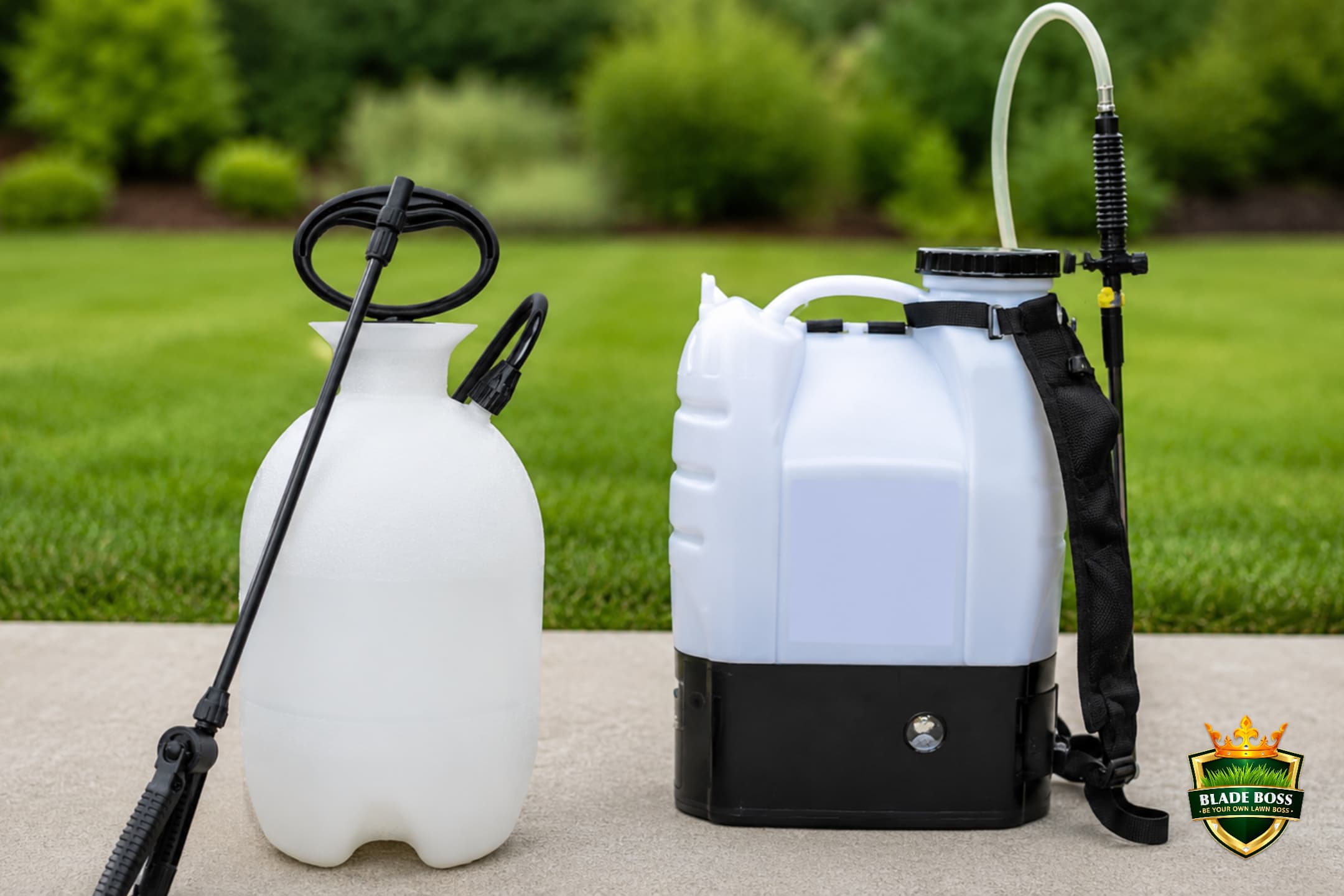
A real sprayer is what makes concentrate application possible. You have two good options, both listed up top. A 2-gallon hand-pump sprayer is the affordable workhorse and covers exactly the 2-gallon-per-1,000 mix this program uses. A battery backpack sprayer is the upgrade for larger lawns and zero hand-pumping, and it is what Blade Boss runs.
- Chapin 2-gallon hand-pump (about $23): perfect entry sprayer, matches the 2-gallon mix, no batteries.
- MY4SON battery backpack (the Blade Boss pick): consistent pressure, fan tip, far less effort on bigger lawns.
Measure the Exact Rate
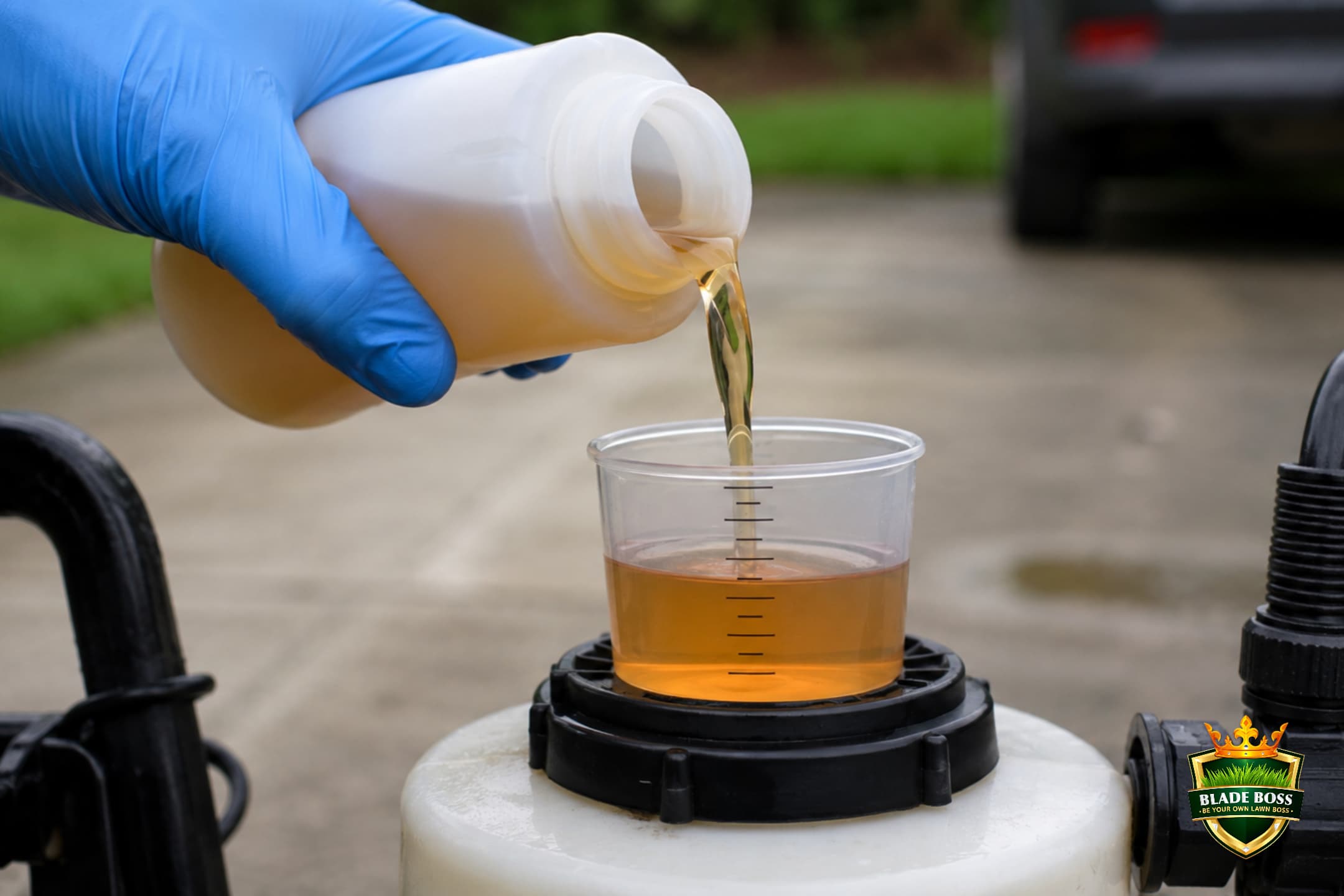
This is the skill that separates tier two from tier one. You are working with small, precise volumes, so eyeballing does not cut it. A cheap set of disposable measuring cups marked in milliliters (listed up top) makes this foolproof. Pour exactly what the rate calls for, mix, spray, toss the cup.
| Fluid Ounces | Milliliters | Used For |
|---|---|---|
| 1.0 fl oz | 30 mL | Propi 14.3 preventive |
| 2.0 fl oz | 59 mL | Propi 14.3 curative |
| 0.38 fl oz | 11 mL | Azoxy 2SC preventive |
| 0.77 fl oz | 23 mL | Azoxy 2SC curative |
Mix in 2 Gallons of Water
This program is built around a 2-gallon mix covering 1,000 sq ft. Add your measured concentrate to a partially filled tank, top it to 2 gallons, and agitate. The water is just the carrier, it spreads the same amount of active ingredient evenly across the area. More water does not mean more protection, it means more even coverage.
- Fill the tank about halfway first, add the measured concentrate, then top off to 2 gallons.
- Agitate or shake to mix thoroughly before spraying.
- Mix only what you will use that day. Leftover mixed product degrades.
Spray Even and Complete
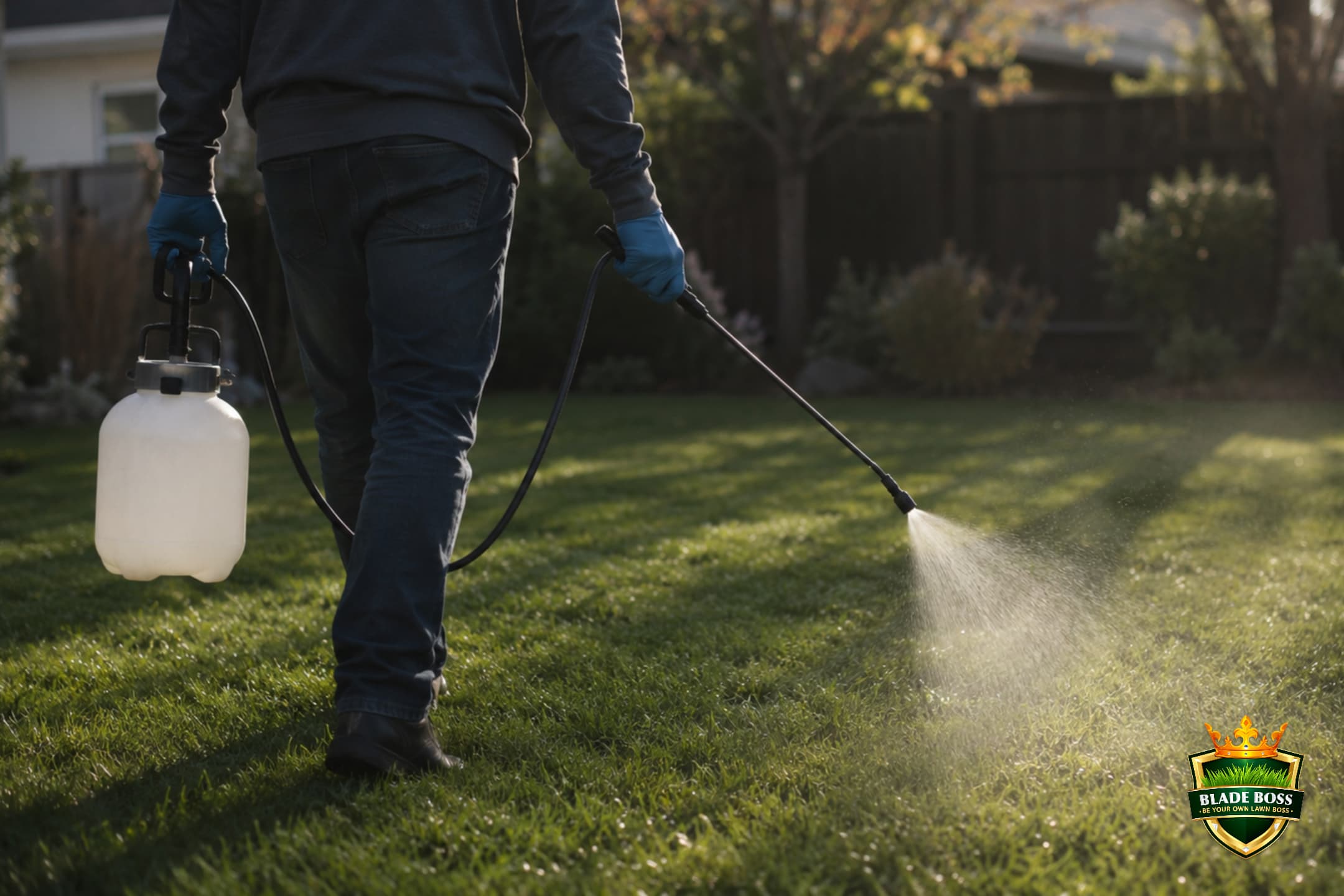
Use a fan tip and walk a steady, overlapping pattern so every blade gets coated. Brown patch and dollar spot live on the leaf surface, so leaf coverage is everything. Walk straight lanes, then cross perpendicular for full coverage of your 1,000 sq ft per 2-gallon tank.
- Calm day, no wind. Gloves, long sleeves, closed shoes.
- Coat the blades until they glisten, not to runoff.
- Keep kids and pets off until fully dry.
Let It Dry, Then Rotate
Let the spray dry on the leaf for several hours before any irrigation or rain, or you wash your money away. Then follow the rotation: start late May at the preventive rate, alternate the two FRAC groups every 21 days through August, and only switch to curative rates if disease actually shows up. Mark every spray on a calendar.
The Honest Ceiling - Read This
Two FRAC groups is a real, resistance-smart program that covers almost everything Long Island throws at a cool-season lawn. But it has one gap and one limit, and the straight talk is the same as it was in the beginner guide.
Cover every major Long Island disease except Pythium. Give you preventive and curative rate control. Run a full season for around seventy-five dollars in product. Hold the line in most years with disciplined rotation and timing.
Two FRAC groups means two modes of action, and the tightest resistance management uses more. There is no Pythium coverage here, and no dedicated brown patch specialist for a brutal year. When you want the full four-group program, that is the advanced guide.
Abort Criteria - Common Mistakes
Mission Complete. Now Fly the Plan.
You can measure a perfect rate and still spray on the wrong day. FungusDefender Pro runs the actual disease models for your exact location, the Smith-Kerns dollar spot model, soil-temperature triggers, and a 7-day risk forecast, so you know precisely when to spray preventively and when to switch to a curative rate. Exact rates deserve exact timing. Let the models call it.
Want This as a Printable Field Manual?
Drop your email and the print-ready PDF version lands in your hands. Take it to the lawn, no phone required.
Crew Questions - FAQ
What is the difference between a preventive and curative fungicide rate?
The preventive rate is a lower dose applied on a schedule to stop disease from ever starting. The curative rate is a higher dose, on a tighter interval, used to knock back disease that is already active. For example, Azoxy 2SC runs 0.38 fl oz per 1,000 sq ft preventively but 0.77 fl oz curatively. Match the rate to the job: preventive on schedule, curative only when disease shows up.
How do I measure such small fungicide rates accurately?
Use a measuring cup marked in milliliters, because these volumes are small and precise. The math is simple: 1 fl oz is 29.6 mL, so 0.38 fl oz is 11.2 mL and 1.0 fl oz is 29.6 mL. Disposable cups are cheap, foolproof, and you just toss them after mixing. Eyeballing the rate is the fastest way to overdose or waste product.
Do I need a backpack sprayer, or is a hand-pump fine?
A 2-gallon hand-pump sprayer is perfectly fine and matches this program's 2-gallon-per-1,000 mix exactly, for about twenty-three dollars. A battery backpack sprayer is the upgrade for larger lawns and consistent pressure with no pumping. Either delivers the even, controlled coverage that box-store hose-end sprayers cannot.
Why mix in 2 gallons of water per 1,000 square feet?
The water is just the carrier that spreads a fixed amount of active ingredient evenly across the area. Two gallons per 1,000 sq ft gives even coverage of the leaf surface where brown patch and dollar spot live. More water does not add protection, it only changes how the same amount of product is distributed.
How many FRAC groups do I really need to rotate?
Two is a legitimate, resistance-smart program and covers every major Long Island disease except Pythium. The propiconazole and azoxystrobin pairing in this guide is the most efficient two-group rotation. For the tightest resistance management and a brutal brown patch year, the advanced guide steps up to a four-group rotation with two more Long Island legal modes of action.
What are annual maximums and why do they matter?
Every fungicide label caps how much active ingredient you can apply per area per year, roughly 7.1 fl oz per 1,000 sq ft for Azoxy 2SC and 16 fl oz for Propi 14.3. Exceeding it is a label violation and accelerates resistance. This is a big reason you reserve the higher curative rates for active disease instead of spraying them all season.