

GUIDE DIAG-00 · REV A
What Is Wrong With My Lawn? The Master Diagnosis Guide
Something is wrong with your lawn and you have no idea what. Start here. In about five minutes this guide narrows your problem down to one of four culprits, a weed, a disease, a bug, or the environment, and sends you straight to the exact guide that fixes it. Do not buy or spray anything until you know which one you are dealing with, because all four need completely different solutions.
Start Here: What Are You Looking At?
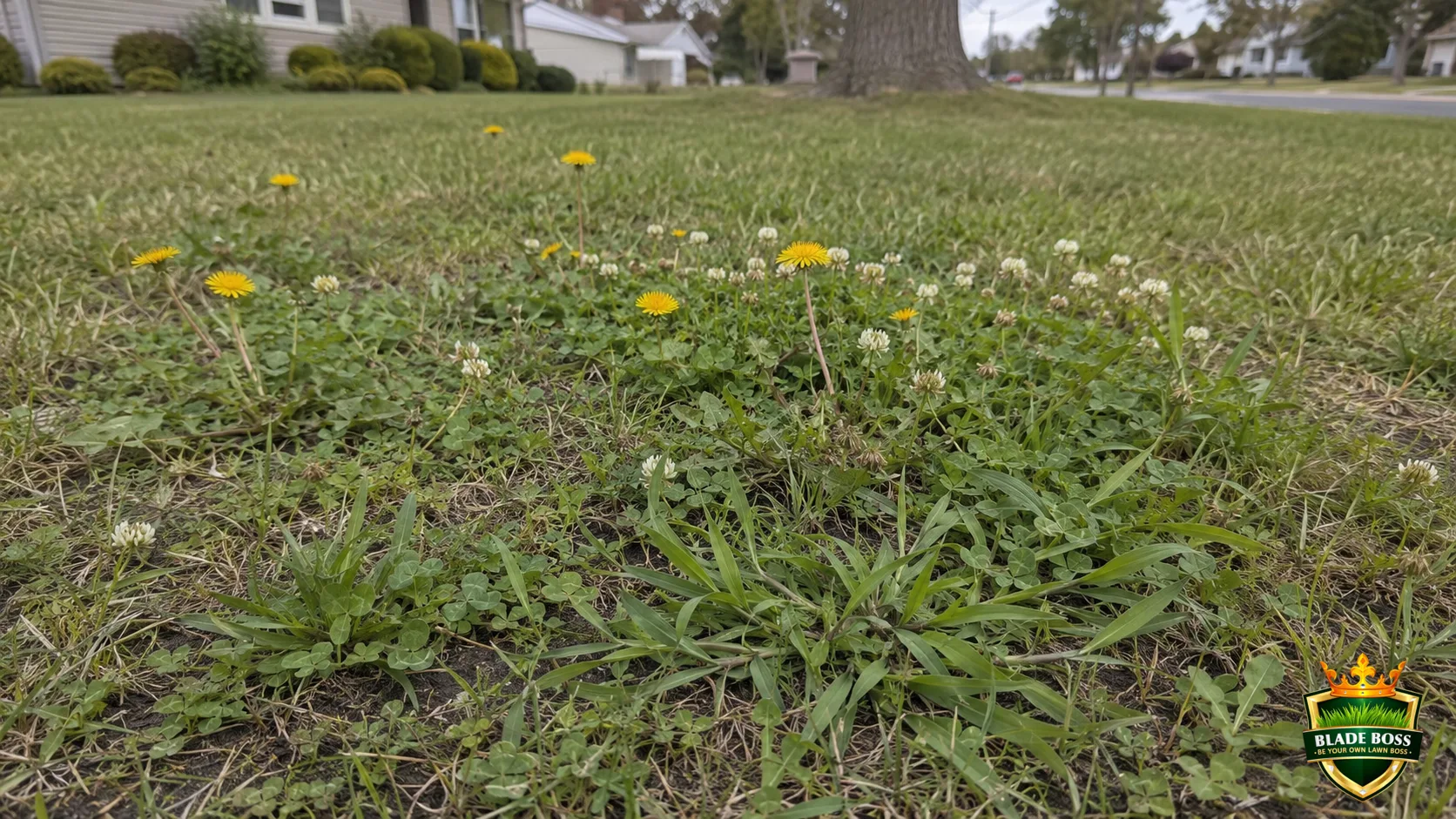
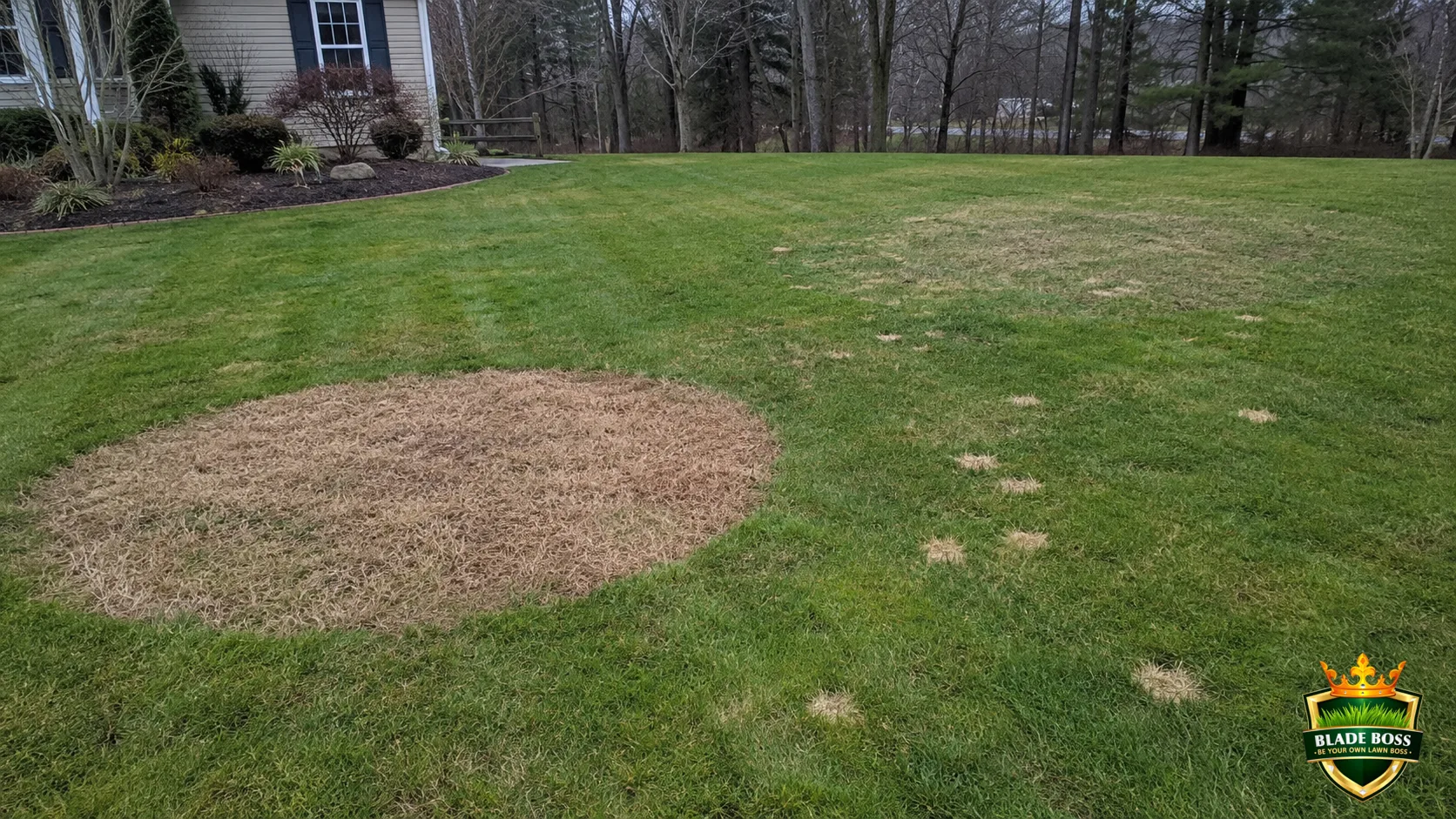
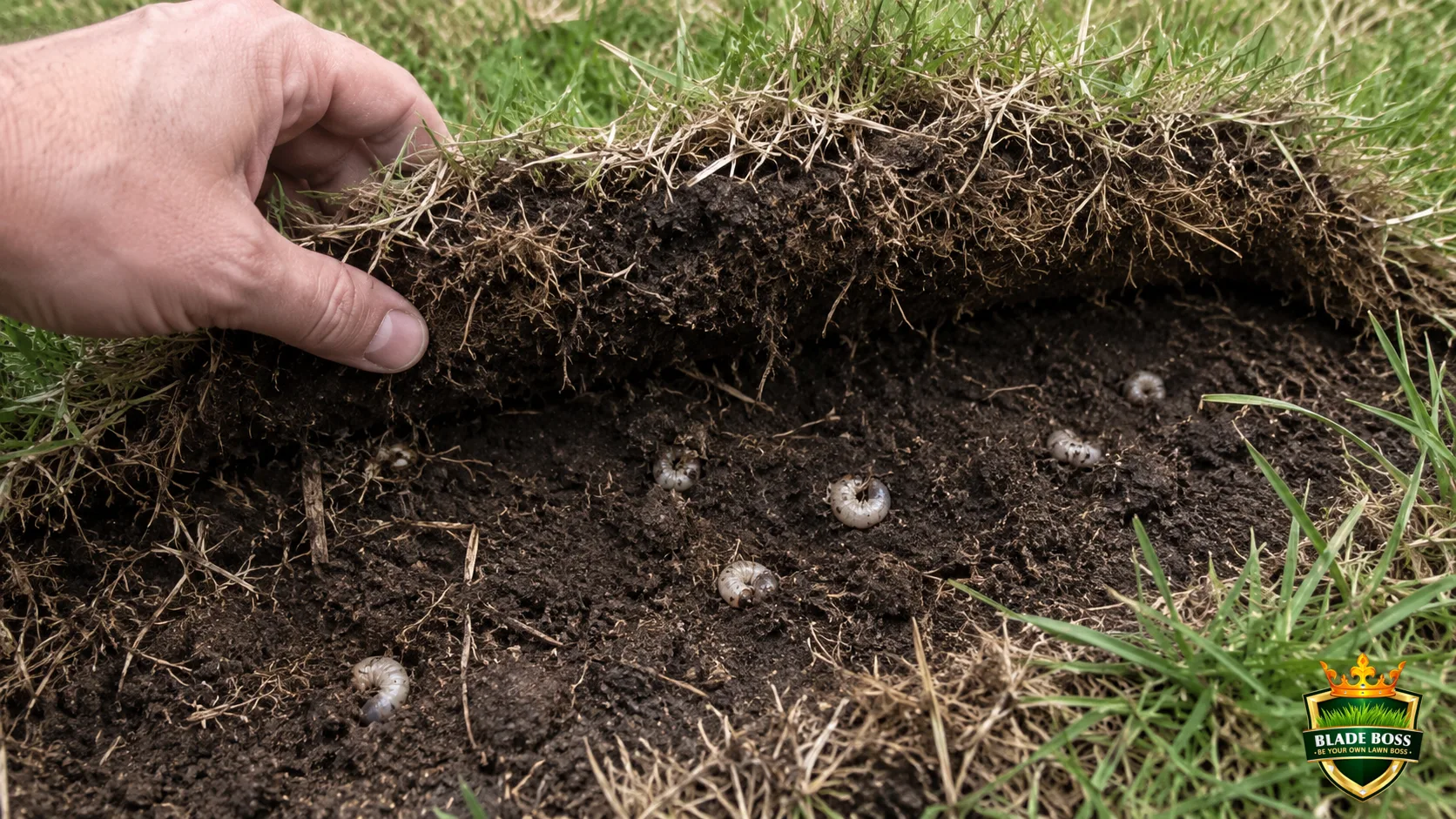
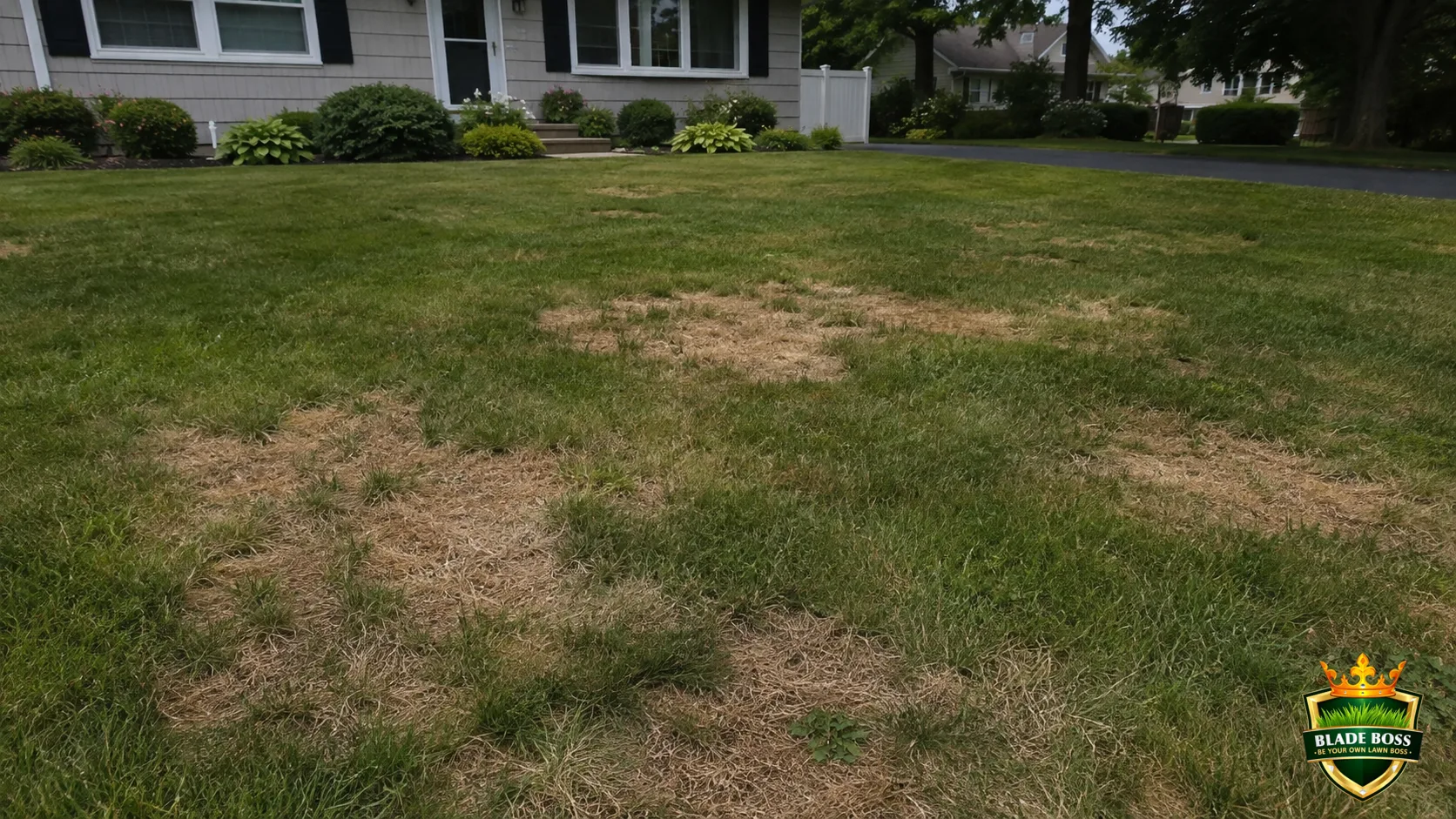
The Four Culprits (Pick the One That Matches)
Look at your lawn and decide which of these four best describes what you see. Each one links straight to its full identification guide. Not a perfect match? The next step and the lookup table below catch the trickier cases.
Still Not Sure Which Bucket?
A few problems fool people because they do not look like classic weeds, disease, or bugs. If one of these fits better, jump straight to it.
Mission Complete. Now Fly the Plan.
You have your bucket, now go finish the diagnosis and fix it. Jump to Weed ID, Disease ID, the Grub guide, or Brown Patches and Dead Spots for the environmental causes. Still stumped after all that? The weather is often the missing clue, check the conditions on the Weather Hub, since most diseases and a lot of stress problems track heat and moisture.
Want This as a Printable Field Manual?
Drop your email and the print-ready PDF version lands in your hands. Take it to the lawn, no phone required.
Crew Questions - FAQ
How do I figure out what is wrong with my lawn?
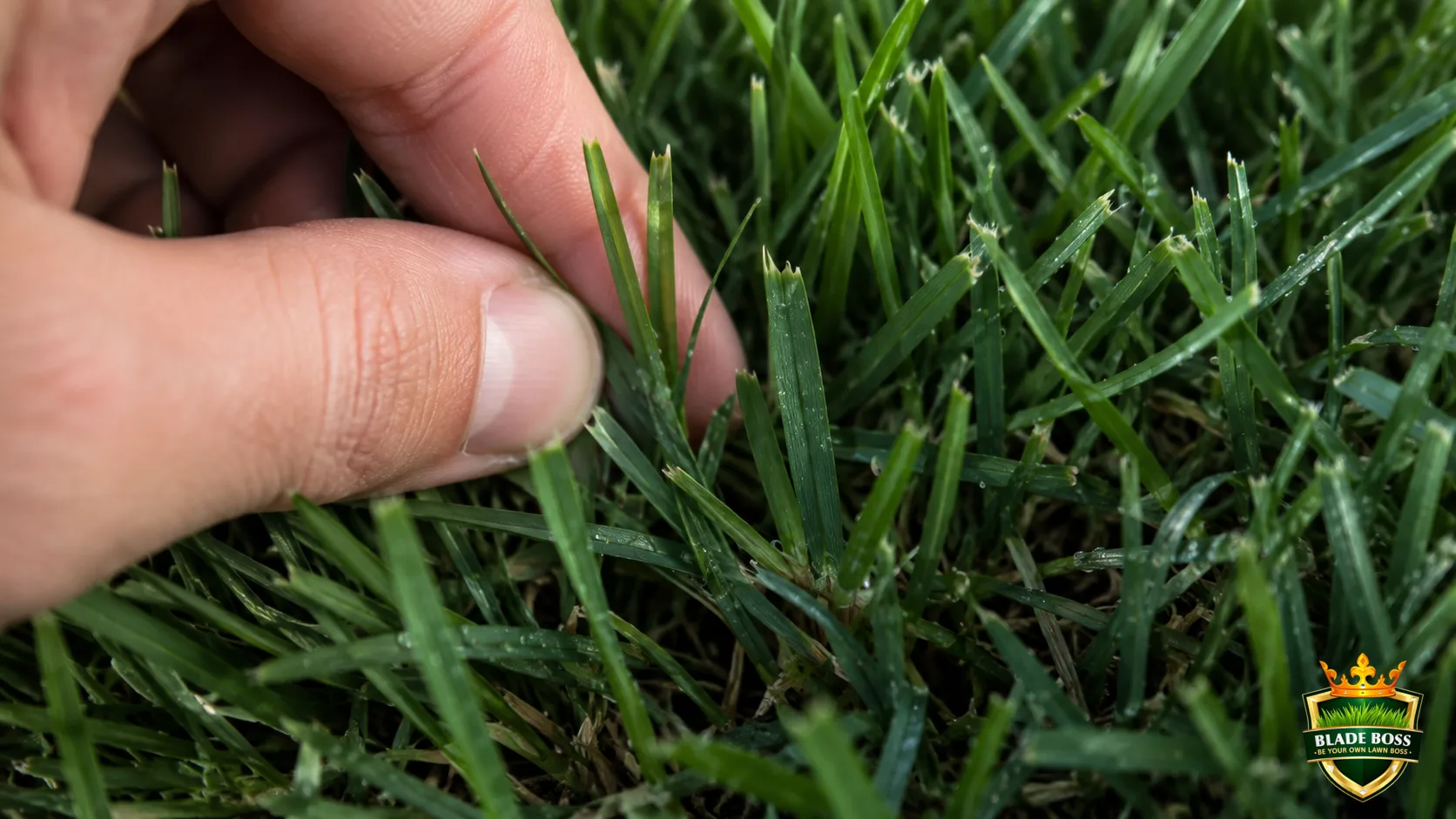
Start by sorting the problem into one of four buckets, because that decides everything about how you fix it. First, is it a weed, meaning a plant that is not your grass, with broad leaves, flowers, or a coarse patch of a different color and texture? Second, is it a disease, meaning the damage is on the grass itself as circular patches, rings, spots on the blades, or fuzzy growth, usually tied to certain weather? Third, is it a bug, which you confirm when the turf lifts up like loose carpet because the roots have been chewed off, often with birds or skunks digging? Fourth, is it environmental, meaning brown or dead areas with nothing living on them, which points to drought, dog urine, fertilizer burn, or a dull mower blade. Once you know the bucket, this guide links you straight to the detailed identification guide for that category, where you match your exact problem to a photo and get the fix.
Is it a weed, a disease, or a bug?
The quickest way to tell them apart is to ask what the damage is made of. A weed is a whole separate plant growing in your lawn, so you are looking at leaves, stems, or flowers that clearly are not grass. A disease shows up as damage to the grass blades and crowns themselves, circular dead patches, rings, colored spots on the blades, or fungal threads and powder, and it usually flares in specific temperature and moisture conditions. A bug problem, most commonly grubs on Long Island, is happening underground at the roots, so the giveaway is turf that peels back like carpet with no root system holding it down, plus spongy areas and animals digging to eat the grubs. If it is none of those, brown or dead grass with no plant invader, no blade damage, and firm roots, then it is environmental stress, not a living pest at all. Each of those four leads to a completely different guide and a completely different fix, which is why identifying the category first matters so much.
My lawn has brown patches, what does that mean?
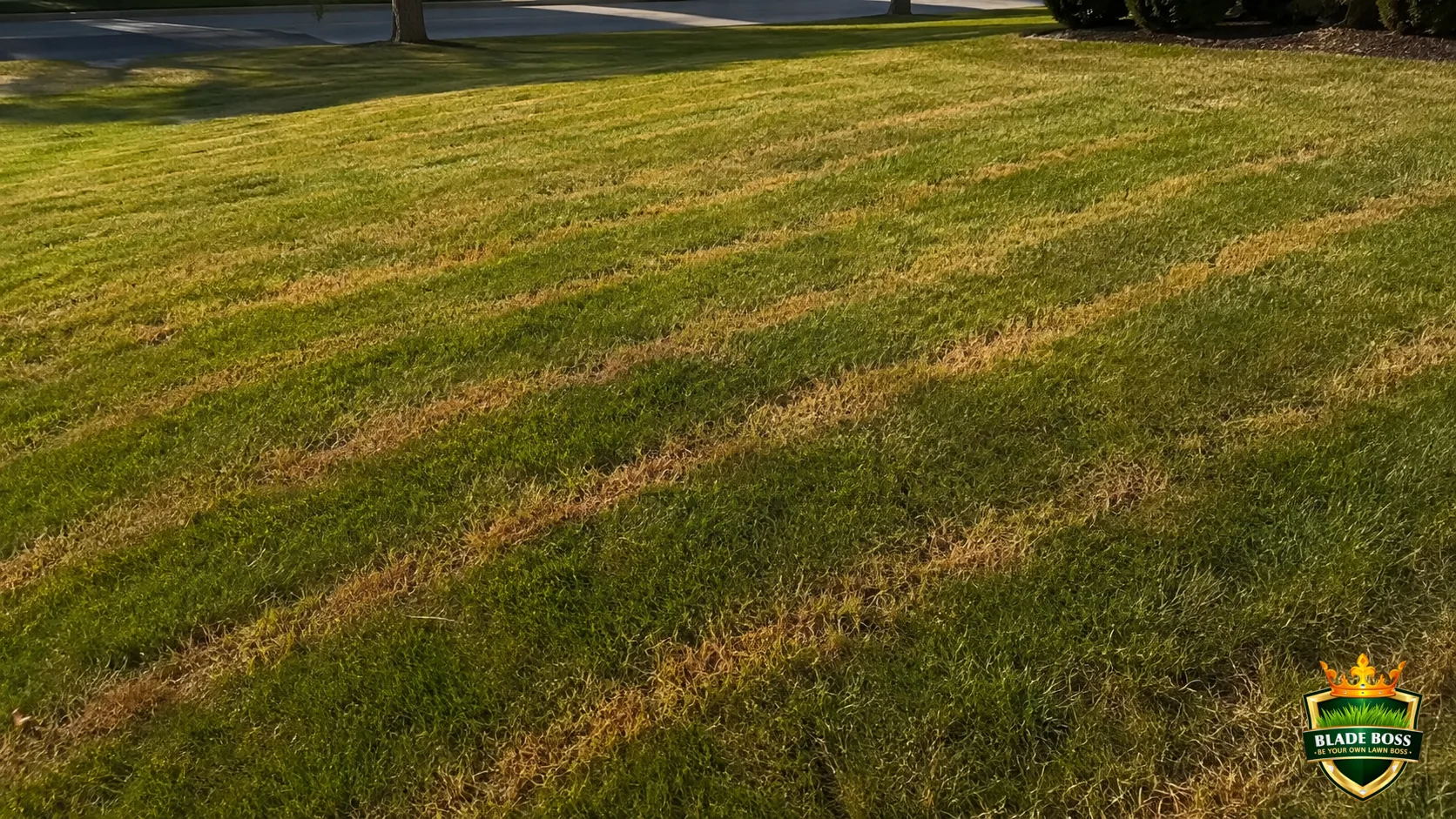
Brown patches are the most common lawn complaint and also the most misdiagnosed, because at least five very different things cause them. If the brown follows high spots and lawn edges and greens back up a day after watering, it is drought stress. If the patches are small and each dead spot is ringed by a halo of extra-dark-green grass, that is dog urine. If you can peel the turf back like loose carpet, it is grubs eating the roots. If the browning is in straight lines that match your spreader or mower path, it is fertilizer burn. And if the patches are distinctly circular, have colored rings, or show spots and fuzz on the blades, then it is an actual disease. Because the fixes are so different, and spraying a fungicide at a drought or dog-urine spot does nothing, the smart move is to work through this router or the dedicated brown-patches guide to pin down which cause you actually have before treating.
Why should I diagnose my lawn before treating it?
Because the four causes of lawn damage need opposite solutions, and guessing wrong costs you money and time and can make the problem worse. Herbicides kill weeds but do nothing to disease or bugs. Fungicides treat disease but are useless against grubs or a drought spot. Insecticides handle grubs but will not touch a fungal patch. And environmental problems like dog urine, fertilizer burn, or a dull mower blade cannot be sprayed away at all, they are fixed by changing a habit or repairing the spot. On top of that, several problems are dead ringers for each other, brown patches alone can be any of five different things, so treating based on a guess often means buying the wrong product, applying it for nothing, and watching the real problem keep spreading. A few minutes of diagnosis points you to the single correct fix, which is exactly what this guide is built to do.
What are the most common lawn problems on Long Island?
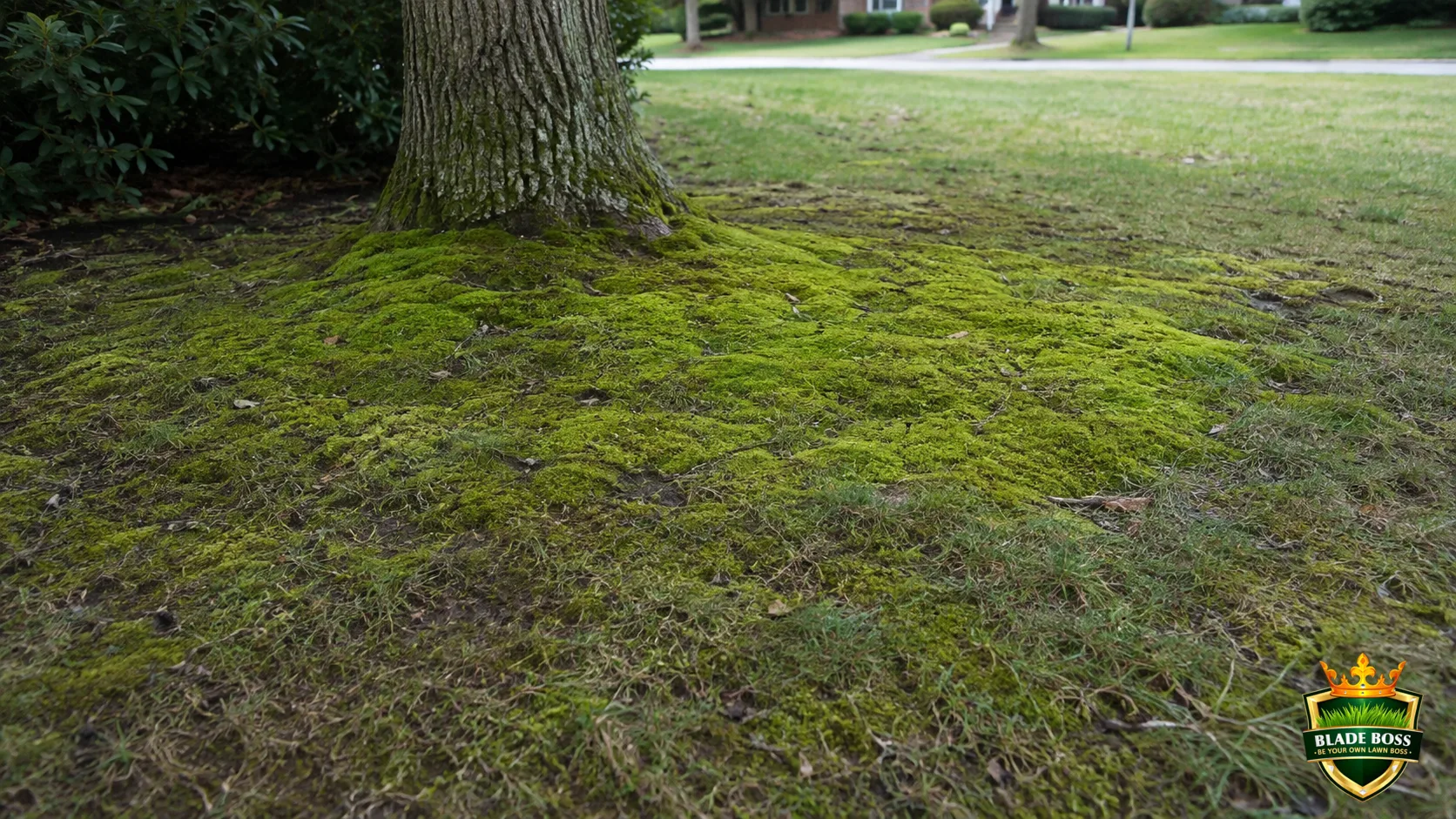
On Long Island and across the cool-season Northeast, the problems break down across the four buckets like this. For weeds, the big ones are crabgrass, annual bluegrass, dandelion, clover, and nutsedge. For disease, dollar spot and brown patch dominate the hot, humid summer, with red thread common in cool wet spring and fall. For bugs, white grubs are by far the most damaging, chewing roots in late summer and inviting animals to dig. And for environmental causes, the frequent culprits are drought stress on sandy soil, dog urine spots, fertilizer burn from an uneven application, moss in shady damp areas, and dull-blade damage across the whole lawn. Which ones you get depends heavily on your conditions, because thin, compacted, over- or under-watered, and stressed lawns invite nearly all of them, while a thick, healthy, properly mowed lawn shrugs most of them off. This guide helps you tell which bucket you are in, then routes you to the specific fix.