

GUIDE GRUB-00 · REV A
Lawn Pest Identification Guide (What Is Eating My Lawn?)
Something is chewing, tunneling, or eating your lawn and you want to know what. This is your visual field guide to the insects and animals that damage Long Island and Northeast lawns, grouped by what you actually see: turf that lifts like carpet, spreading brown patches, or tunnels and mounds. Match your lawn to the photos, confirm the tell, then treat the right pest the right way. Identify before you spray anything.
Find Your Pest Below
It Lifts Up Like Carpet: Root Feeders
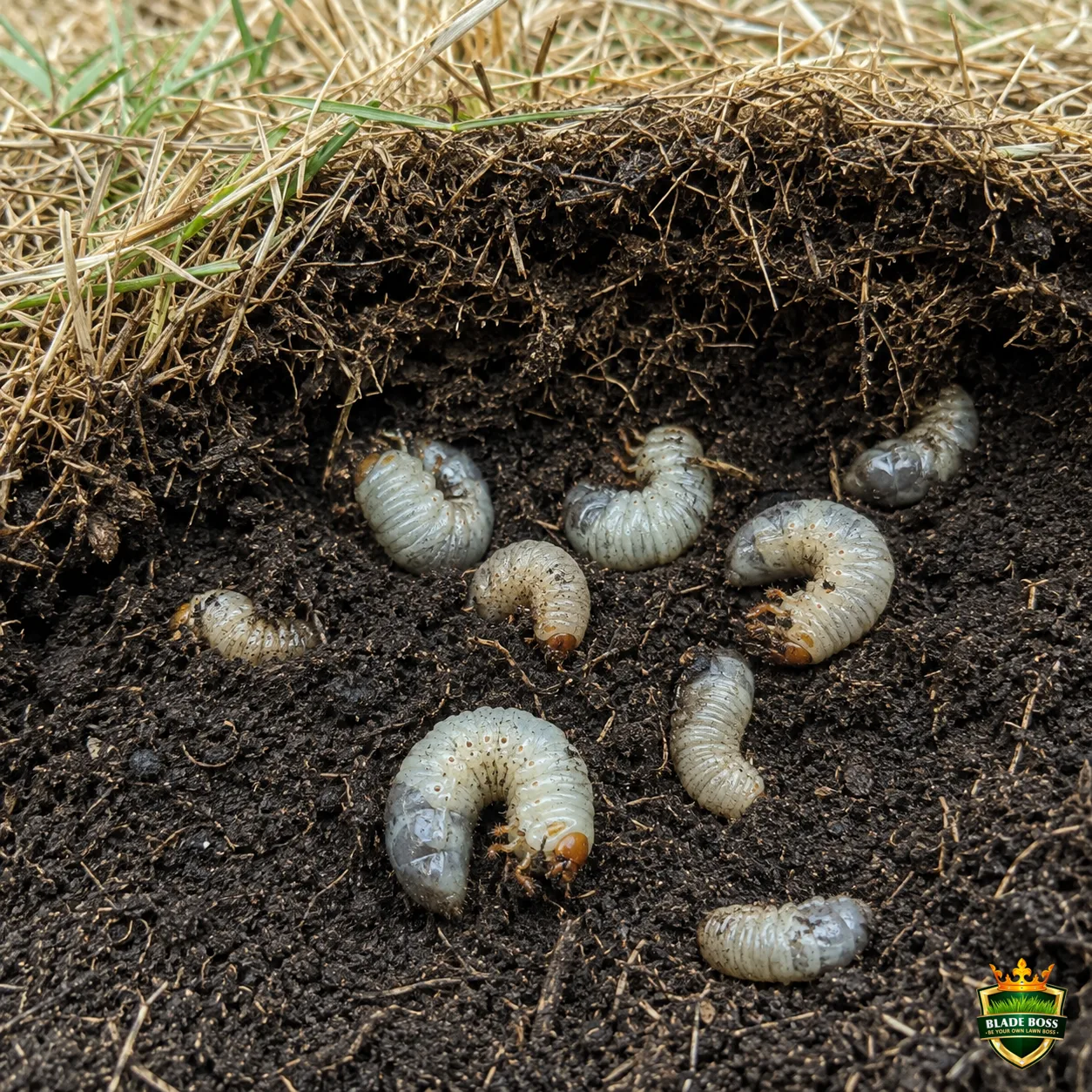
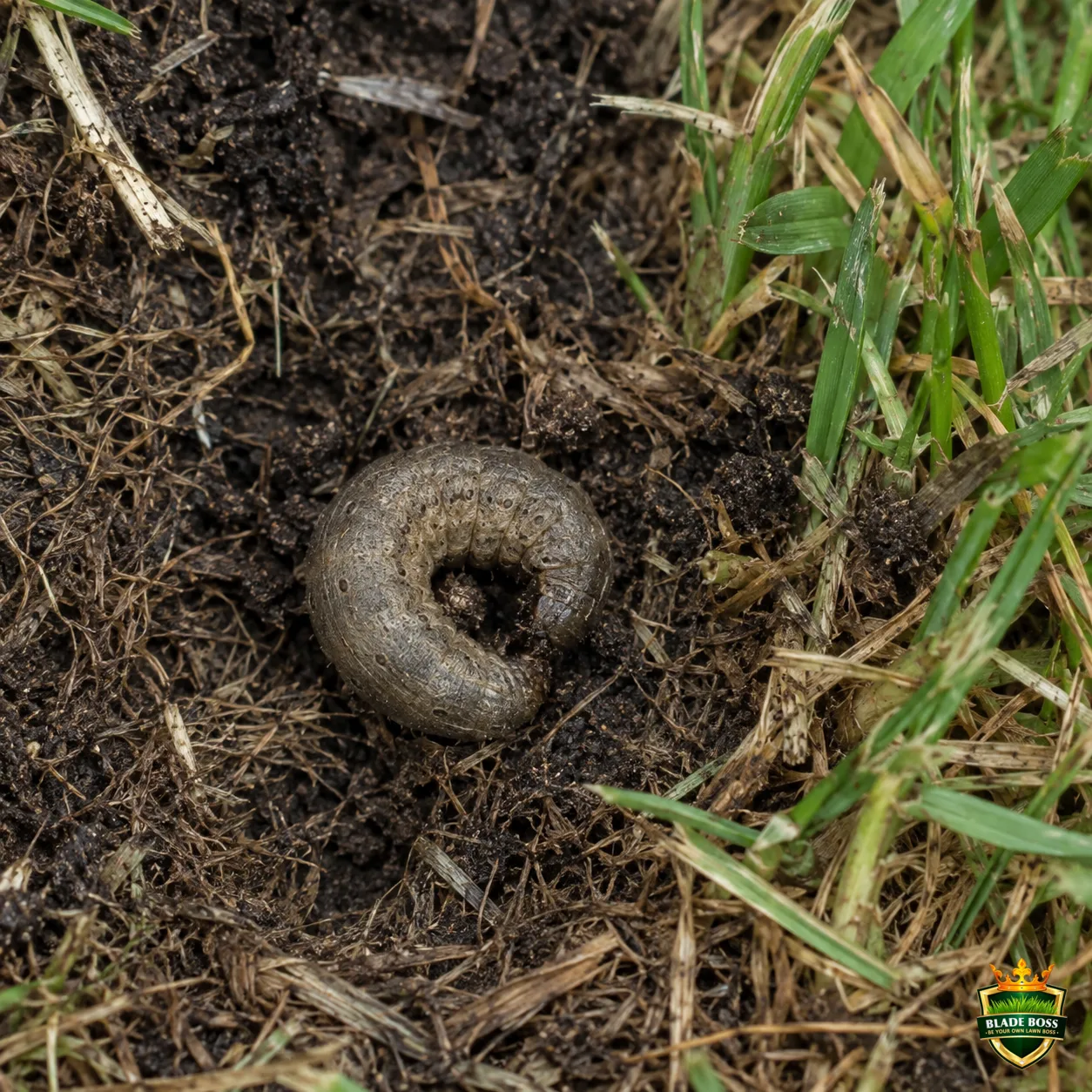
If you can grab the turf and peel it back like a loose rug, something is eating the roots underneath. This is the most serious pest group because the grass loses its anchor. Peel a suspicious edge and look in the top few inches of soil.
Spreading Brown Patches: Something Is Eating It
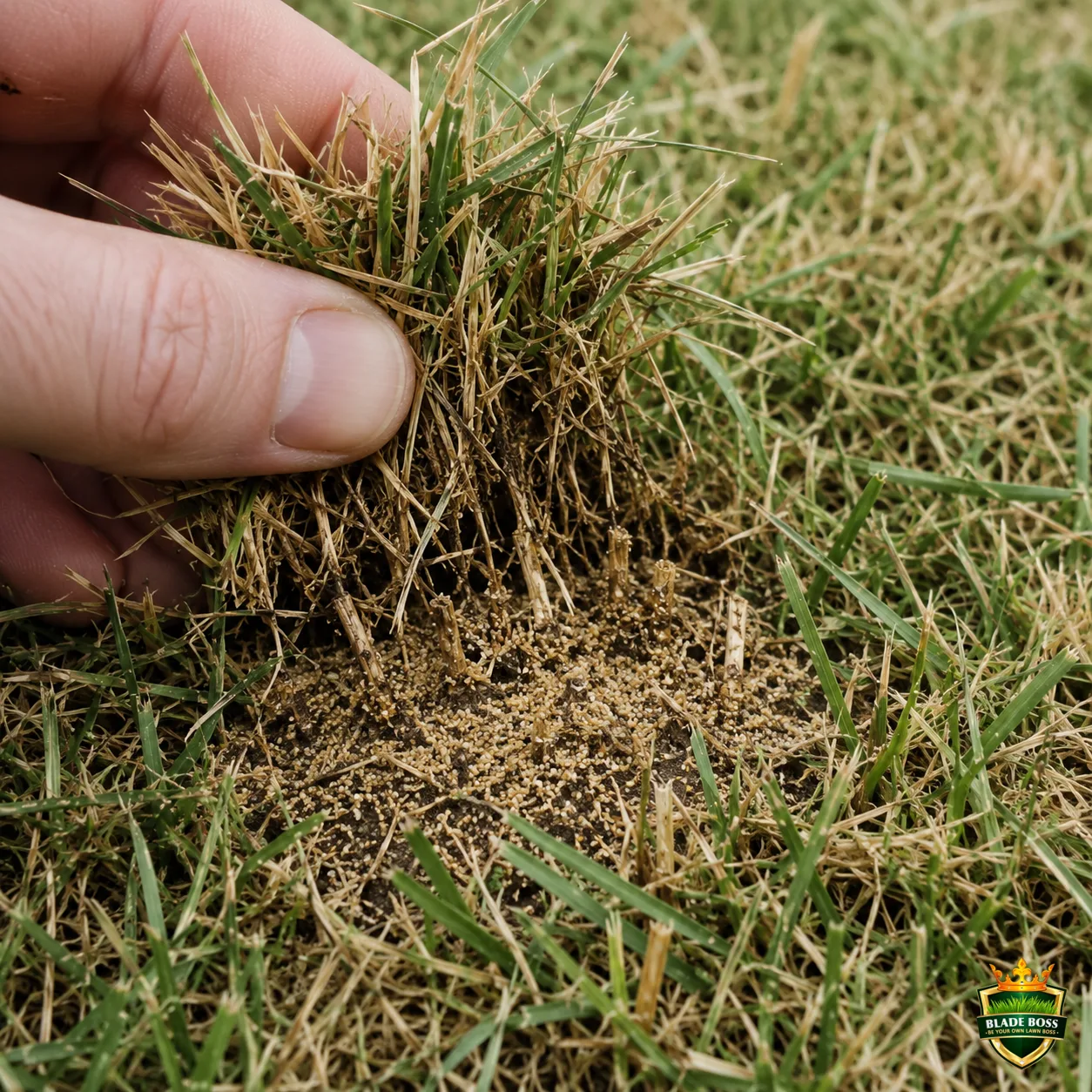
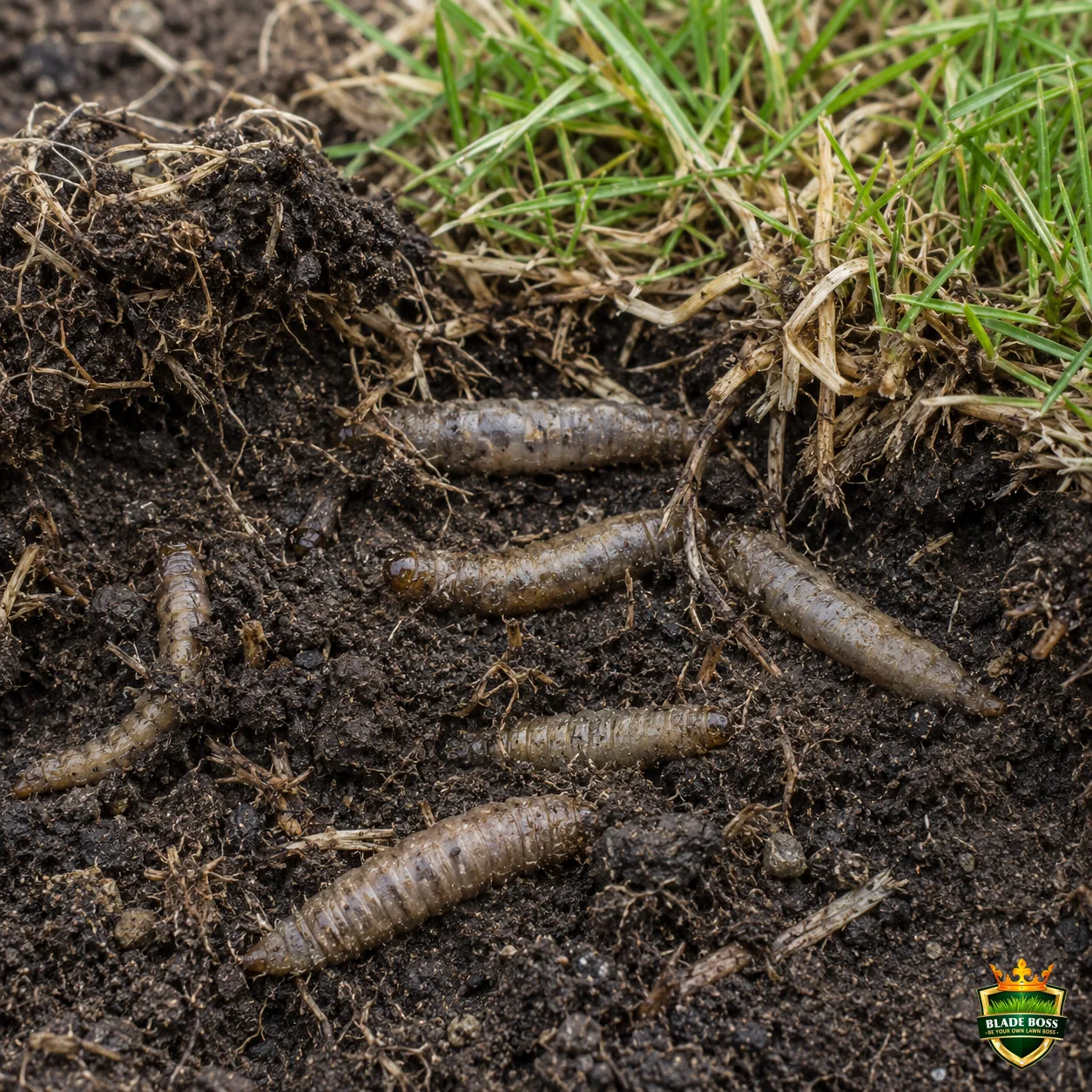
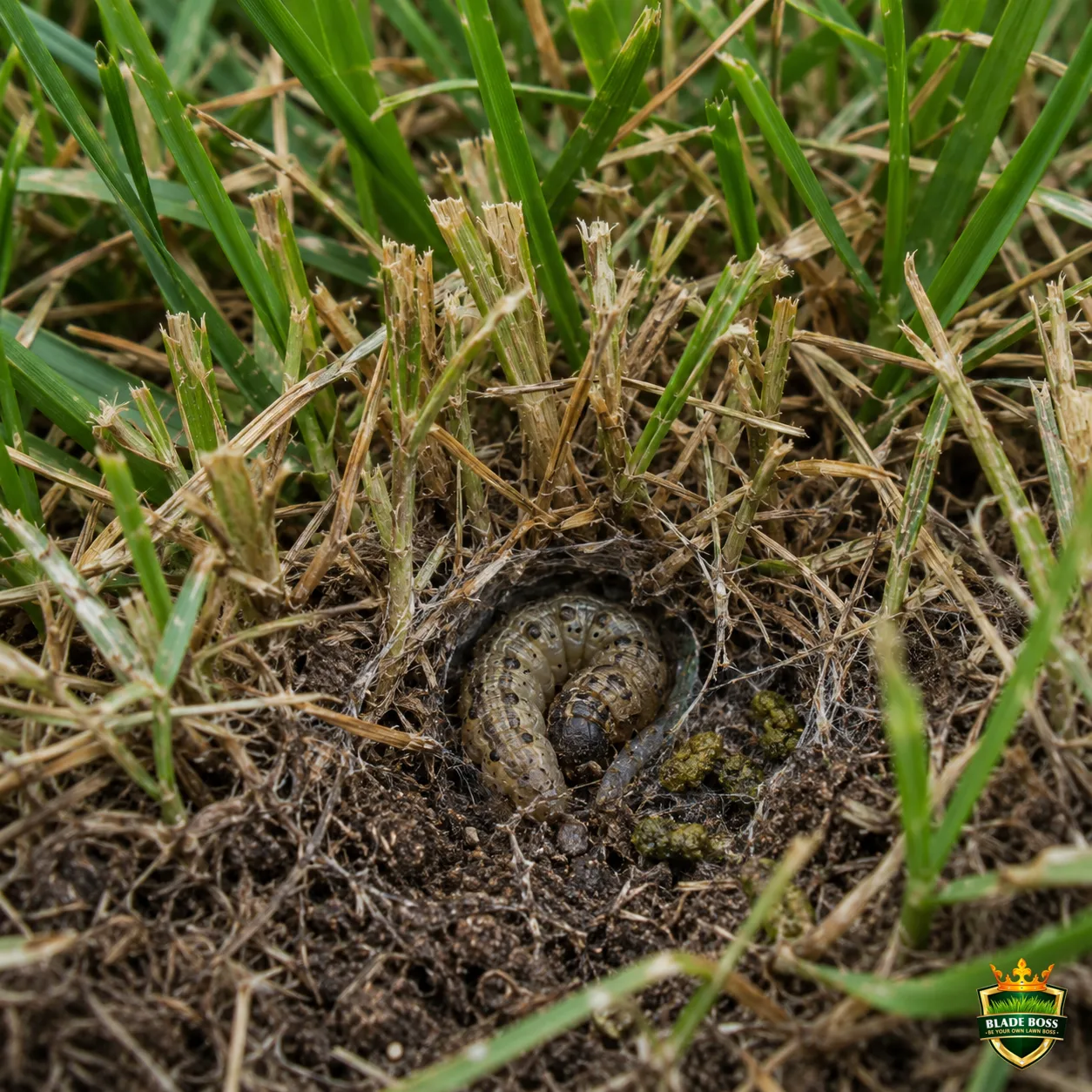
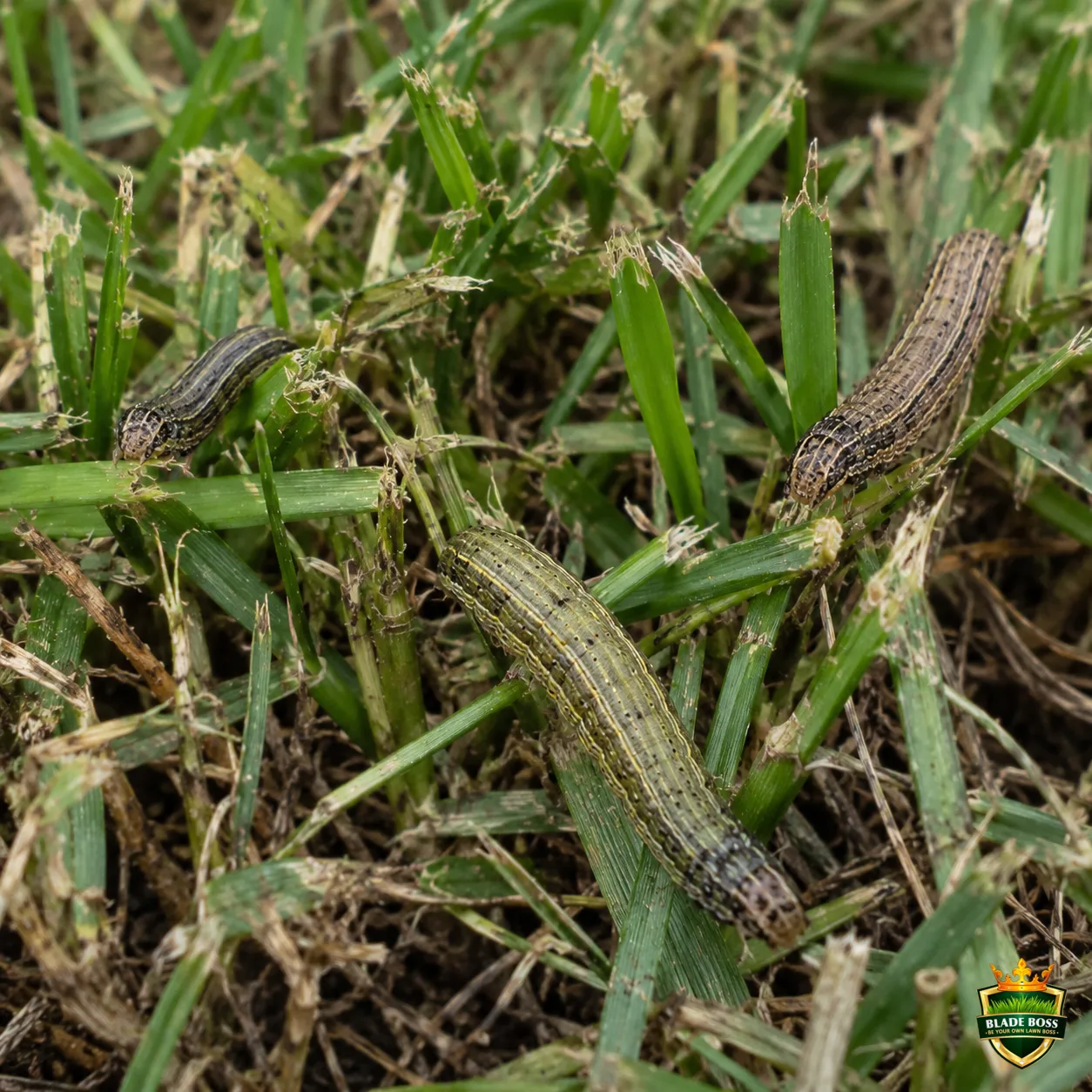
If the grass is still rooted but patches are browning and spreading, and you can see chewed blades or find caterpillars, you have a surface feeder. Check at dusk or part the grass at the edge of a dying patch, where the damage is active.
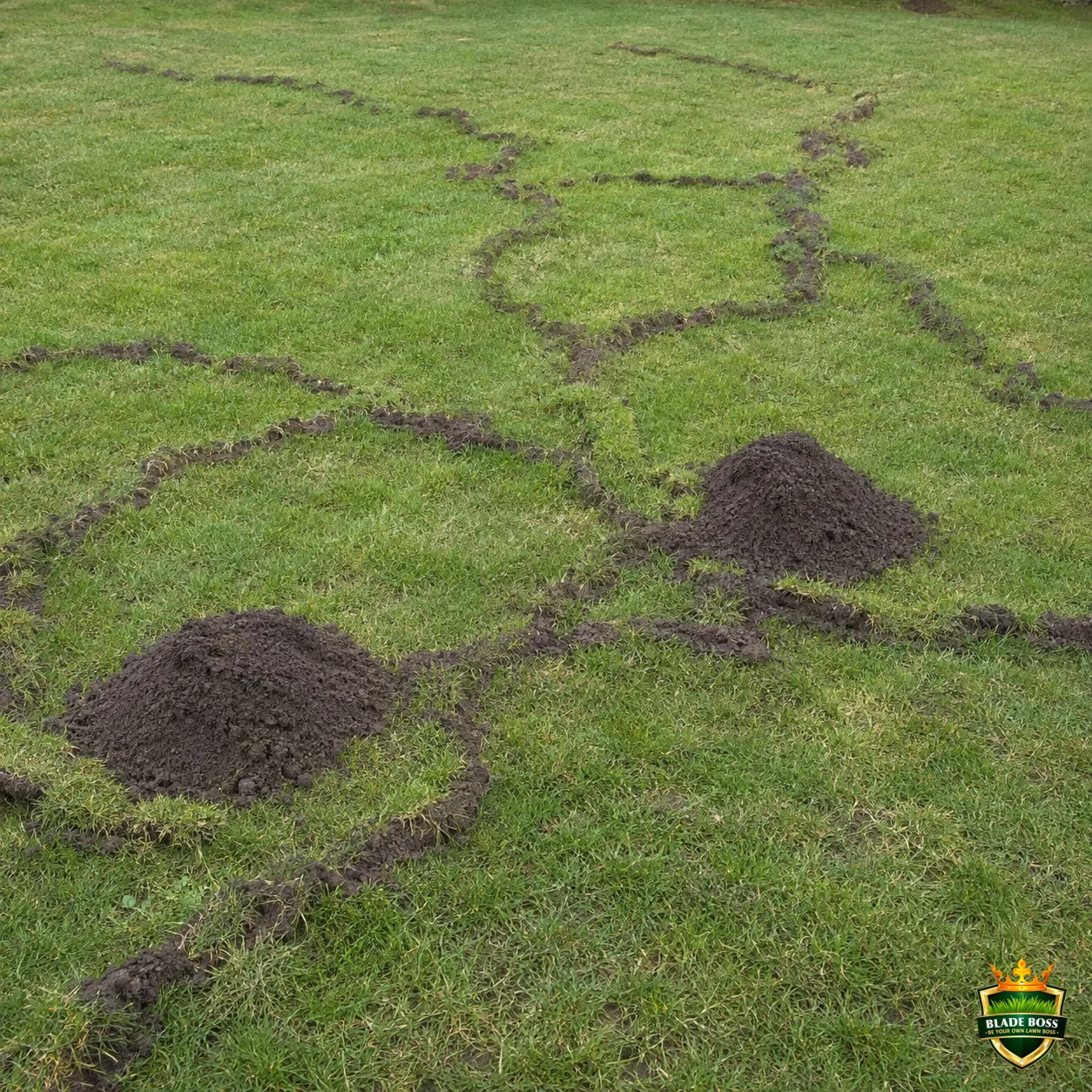
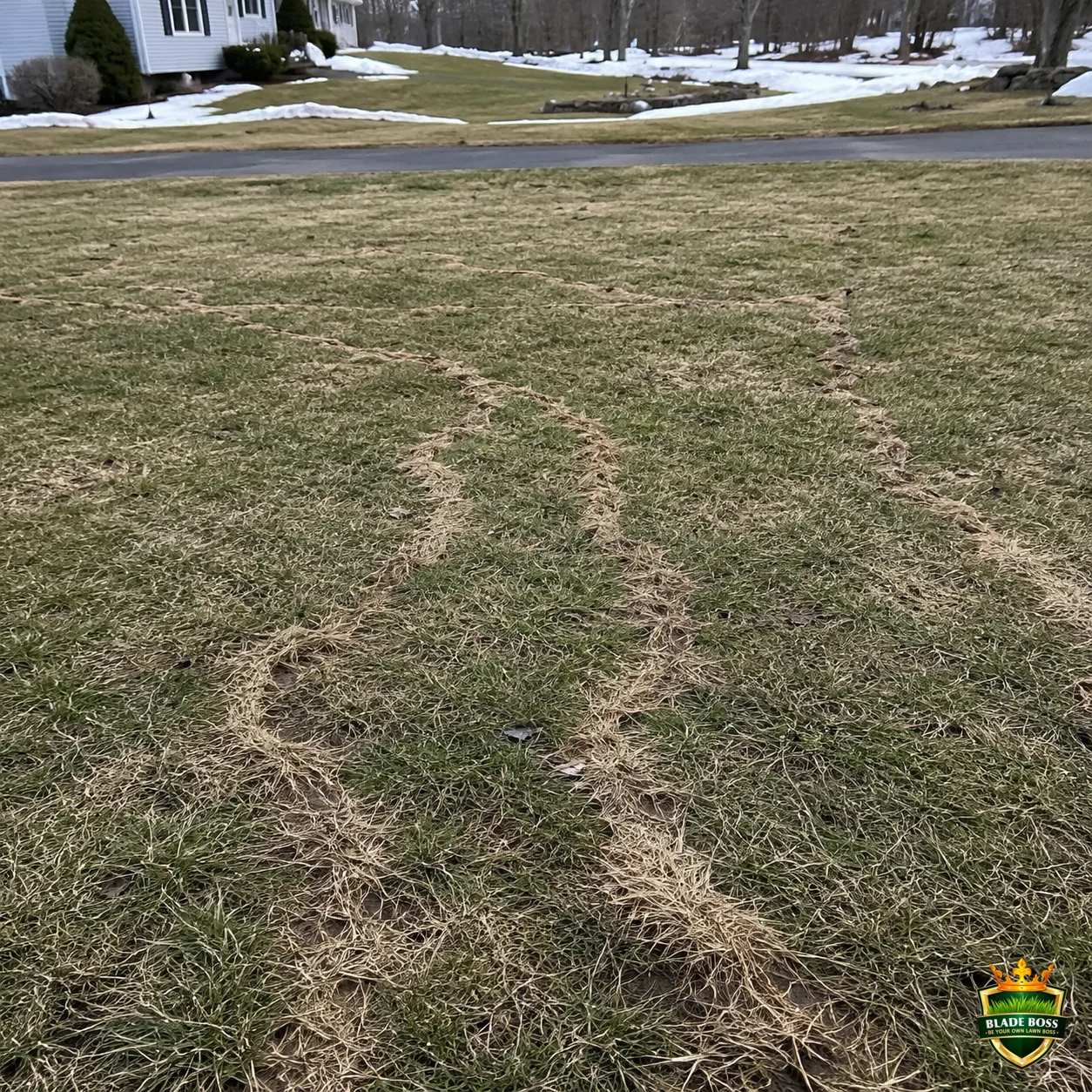
Tunnels, Mounds, and Runways: The Diggers
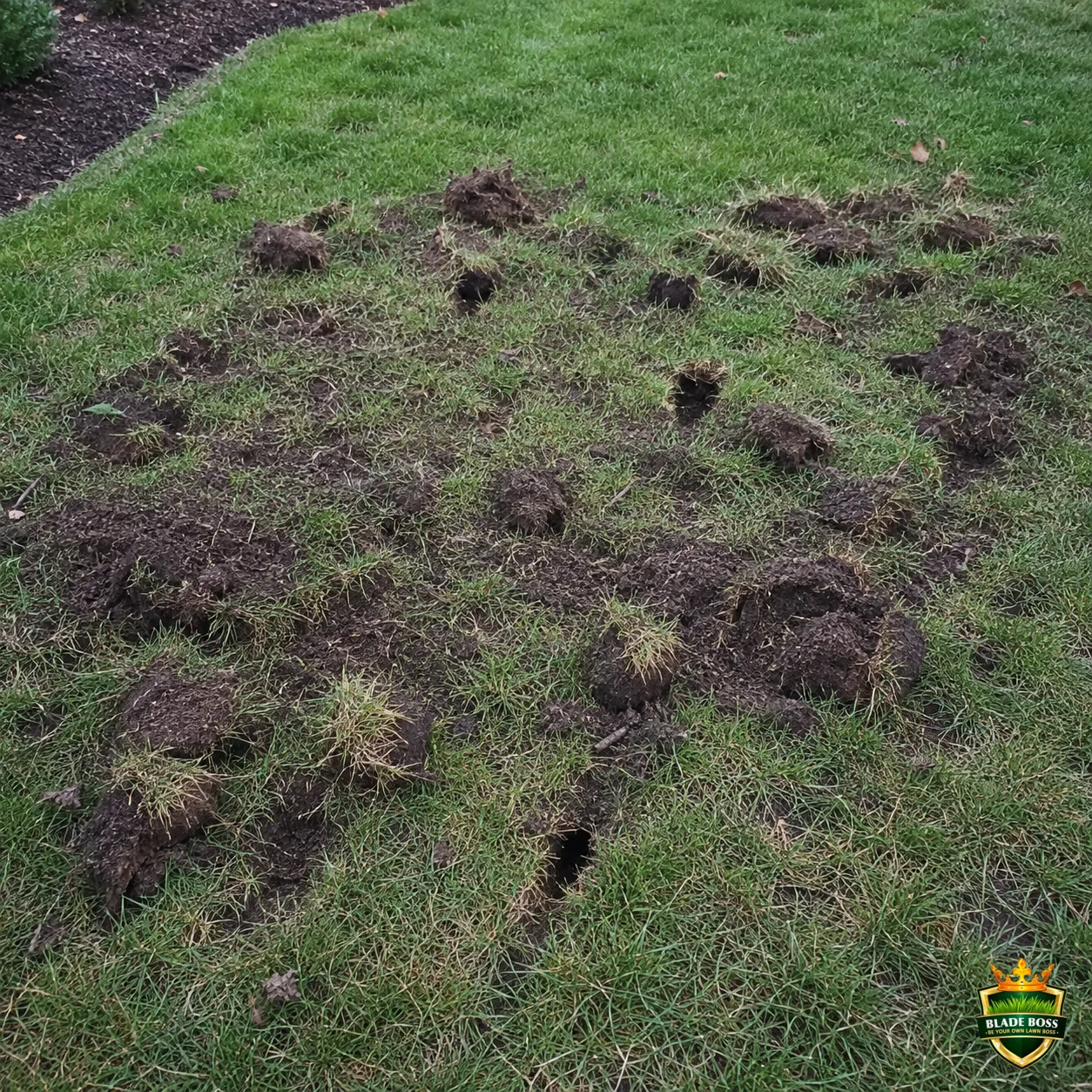
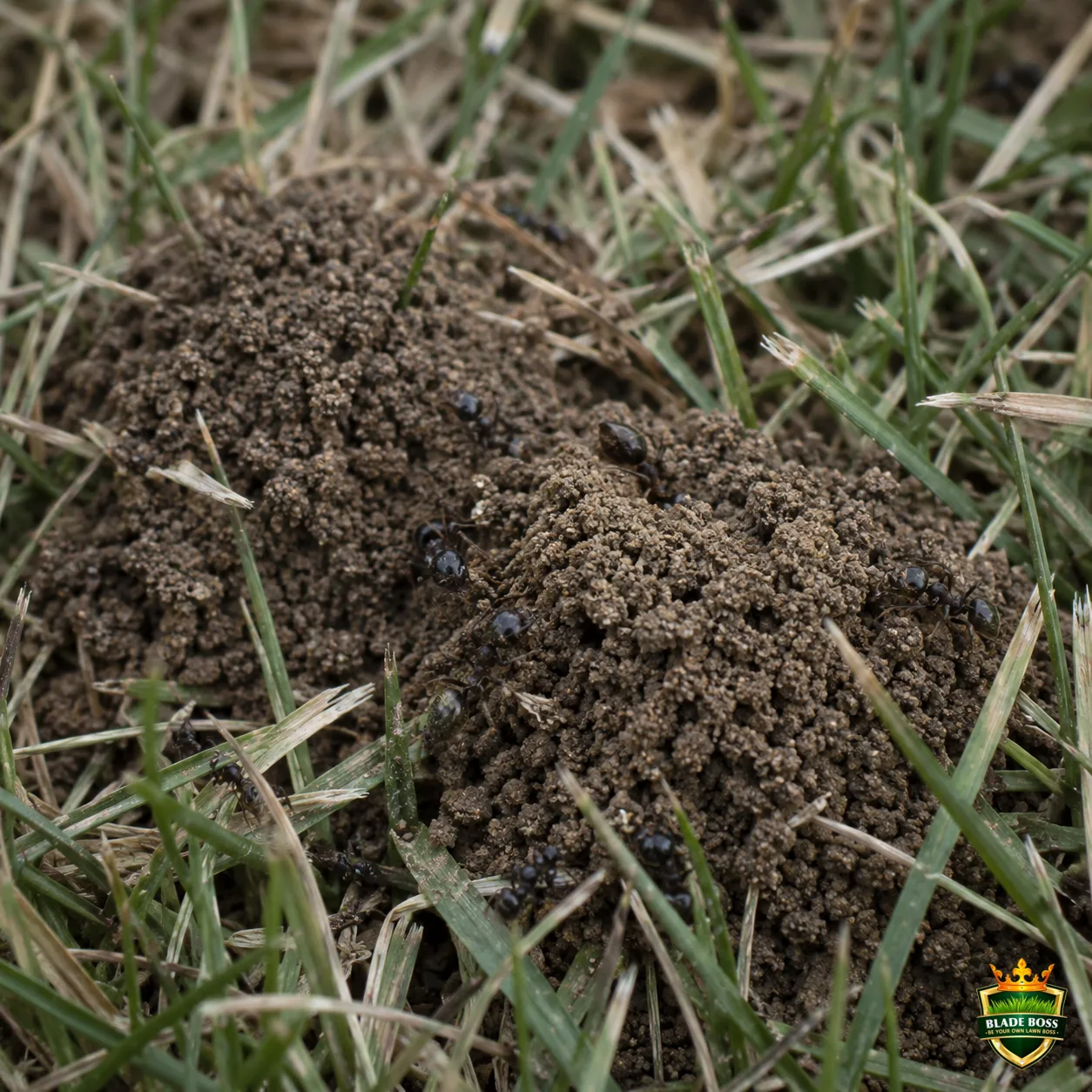
If the grass itself is mostly fine but the surface is disturbed by ridges, mounds, or trails, you have a digging or tunneling animal, not an insect eating the grass. The fix here is usually about the food source or exclusion, not a lawn spray.
Mission Complete. Now Fly the Plan.
You have your pest, now confirm it and treat it right. For grubs and the animals digging for them, go to the grub guide for the full identification and legal-on-Long-Island treatment plan. For the surface insects, confirm the culprit at the patch edge, then treat only the affected area with a labeled product following the label and local rules. And if you are not even sure it is a bug, back up to the master diagnosis router, because drought, disease, and dog urine cause most of the damage people blame on pests.
Want This as a Printable Field Manual?
Drop your email and the print-ready PDF version lands in your hands. Take it to the lawn, no phone required.
Crew Questions - FAQ
How do I know if bugs are damaging my lawn?
Start with a simple physical check, because most lawn damage blamed on bugs is actually drought, disease, or dog urine. First, try to peel the turf back at the edge of a dead area: if it lifts like loose carpet because the roots are chewed off, you have a root feeder, almost always grubs. Second, look at the grass blades in a spreading patch: chewed, notched, or clipped blades plus green fecal pellets or visible caterpillars point to surface feeders like sod webworms or armyworms. Third, if patches are browning in the hottest, sunniest, driest parts of the lawn and watering does not help, part the grass at the green-to-brown border and look for the tiny black-and-white chinch bugs at the thatch line. And if the grass itself is fine but the surface has ridges, mounds, or trails, the problem is a digging animal, not an insect eating the grass. If none of those turn up an actual insect, it is probably not a pest at all, and you should diagnose it as an environmental or disease issue instead.
What is the most common lawn pest on Long Island?
White grubs are by far the most damaging and most common lawn pest on Long Island. They are the larval stage of several beetles (Japanese beetle, European chafer, Oriental beetle, and others), and they feed on grass roots in the top few inches of soil, peaking from late summer into fall. Because they sever the roots, the classic sign is turf you can roll back like a rug, and a secondary sign is skunks, raccoons, and birds tearing up the lawn overnight to eat them. You confirm grubs by cutting a square-foot flap of sod and counting the C-shaped white larvae underneath; more than about five to ten per square foot is enough to cause visible damage in a stressed lawn. After grubs, chinch bugs are the next most common on Long Island, especially in hot, sunny, dry lawns where their damage is routinely mistaken for drought stress.
My lawn looks like drought but watering does not help, what is it?
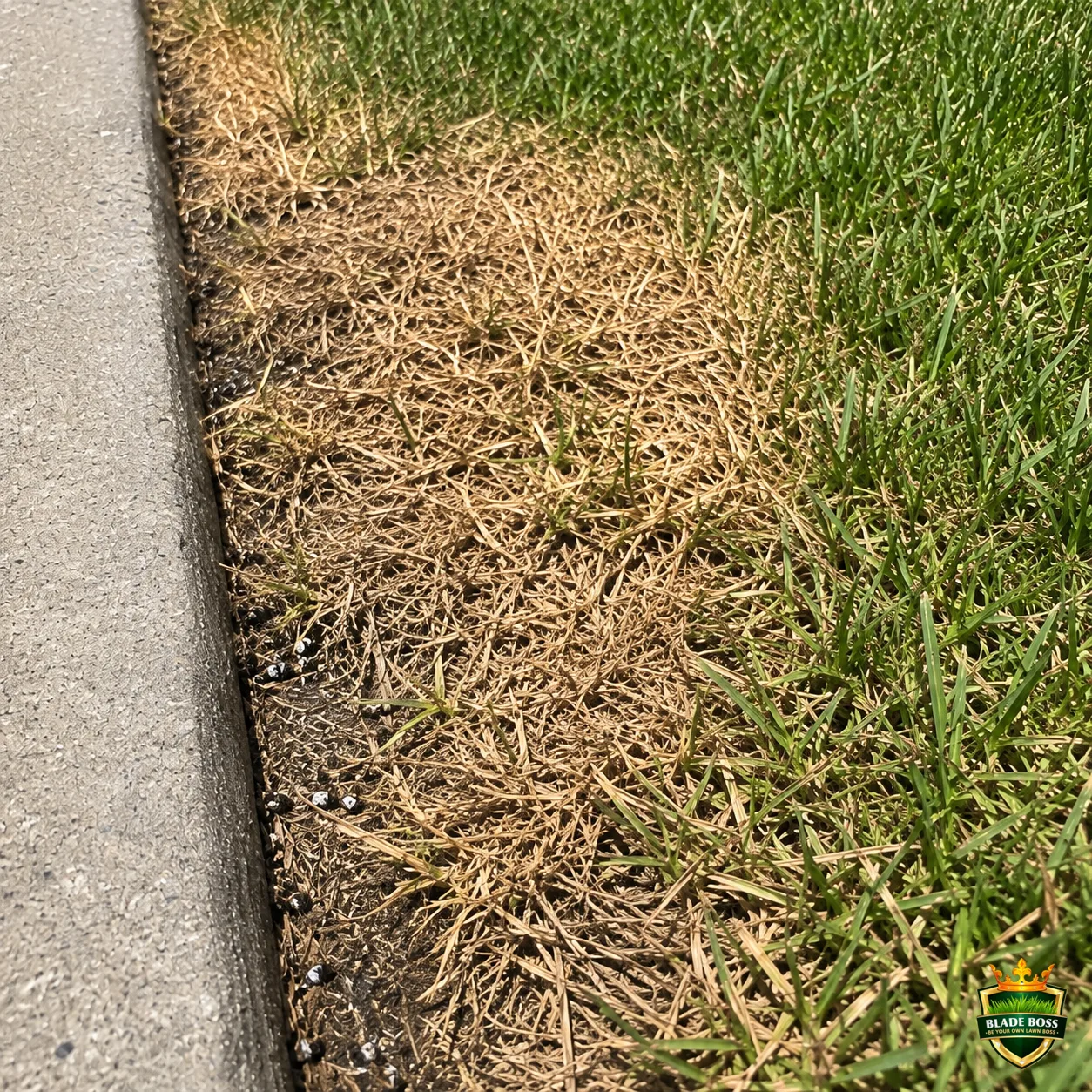
That specific pattern, irregular patches of yellowing then browning grass in the hottest, sunniest, driest areas of the lawn (typically along sidewalks, driveways, and south-facing slopes) that keep spreading and do not recover with watering, is the signature of chinch bugs. They pierce the grass at the crown and suck out the sap while injecting a toxin, so the damage looks exactly like drought but water cannot fix it because the plant is being drained faster than it can drink. To confirm, get down at the border between green and dying grass, part the blades, and look right at the soil and thatch line: you will see fast-moving black adults about a sixth of an inch long with white wings folded in an X, and smaller red-orange nymphs with a white band across the back. Billbugs cause a similar drought-look in early summer, but their tell is different: the grass pulls up easily in the tug test and the stems are hollowed with sawdust-like frass. Either way, confirm the actual insect before treating, since a real drought spot needs water, not insecticide.
Why is an animal digging up my lawn at night?
Almost always because there is a buffet of grubs or earthworms just under the surface. Skunks, raccoons, and birds tear up, flip, and pock the turf with small holes to reach and eat white grubs, so overnight digging damage is one of the strongest signs that you have a grub problem underneath, even if the grass has not visibly thinned yet. Moles do something similar from below, tunneling through the lawn to hunt grubs and earthworms, which leaves raised ridges and volcano-shaped mounds. In both cases the animal is a symptom, not the root problem: the durable fix is to reduce the food source by getting the grub population under control, after which the digging typically stops on its own. Trapping and exclusion help with moles in the meantime, but treating only the animal while ignoring the grubs usually just invites them back.
Do I need to spray my lawn for insects, and is it safe?
Usually less than people think, and the smart approach is threshold-based rather than routine. A healthy lawn tolerates a lot of insect activity, and many bugs in your grass are harmless or even beneficial predators that keep pests in check, so blanket-spraying an entire lawn on a schedule tends to do more harm than good by wiping out those beneficials. The right move is to identify the specific pest, confirm the damage is crossing a real threshold (for grubs, that is roughly five to ten per square foot in a stressed lawn), and then treat only the affected area with a product actually labeled for that pest. It also matters that Long Island restricts certain lawn insecticides for homeowner use, and those rules have been tightening, so you should always check current local regulations and follow the product label before applying anything. This guide is built to get the identification right first; the dedicated treatment guides cover the specific, legal-on-Long-Island options for each pest.