

GUIDE WEED-05 · REV A
How to Get Rid of Bentgrass in Your Lawn
Bentgrass is a golf-course grass that invades home lawns and forms those puffy, light-green patches that look terrible at normal mowing height. Here is the truth: you cannot maintain bentgrass in a regular lawn and have it look good. You either mow it like a putting green or you kill it and replace it. This guide covers the two real ways to get rid of it: selective removal with Tenacity if the bentgrass is patchy, or a full nuclear renovation if it has taken over. Either way, plan on a two-year campaign, not a weekend fix.
Pre-Flight Checklist - What You Need
As an Amazon Associate, Blade Boss earns from qualifying purchases. It never costs you a penny more.
Rules of Engagement (ROE's)
The Flight Plan - Step by Step
Confirm It Is Bentgrass
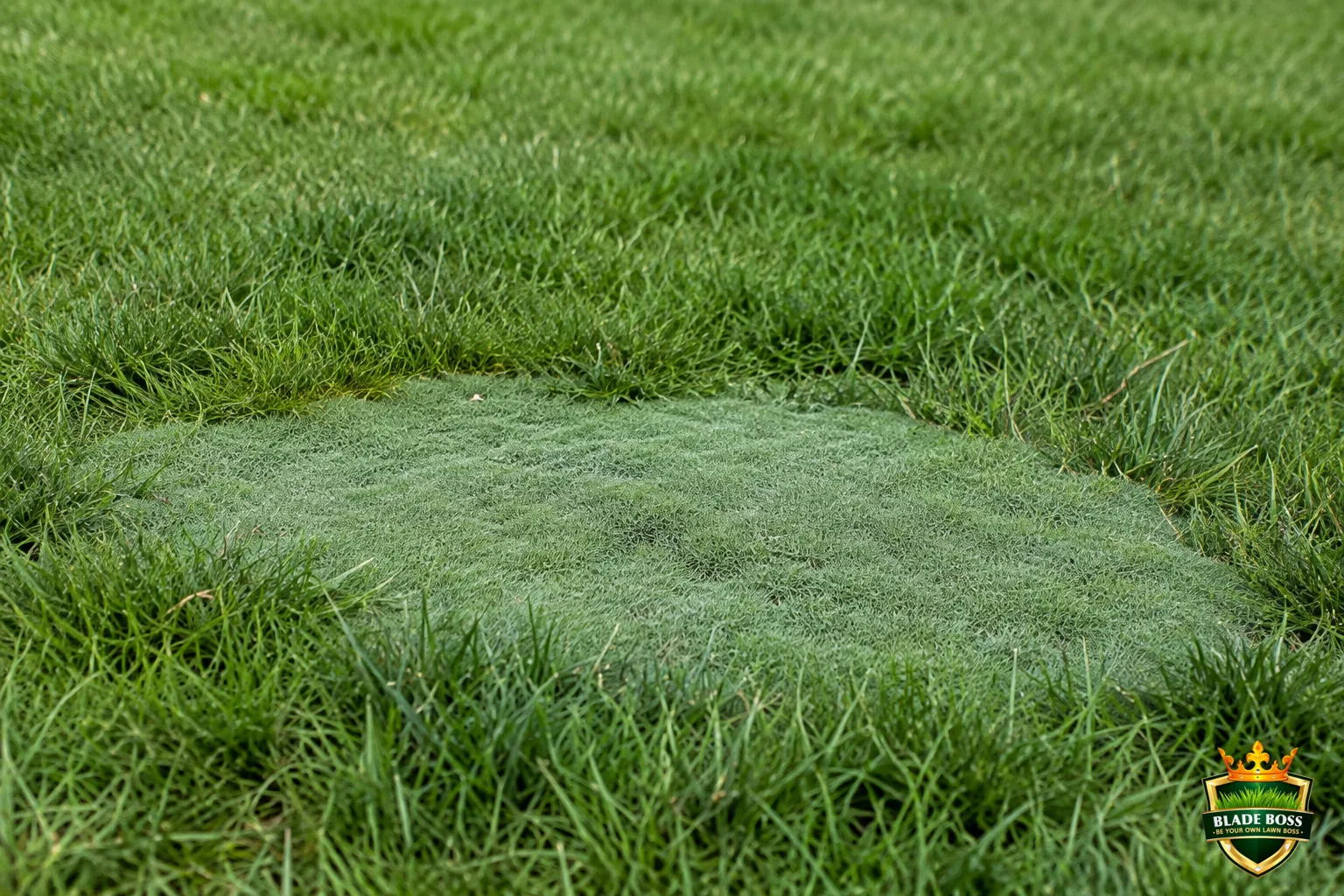
Before you kill anything, make sure it is actually bentgrass, because the whole plan depends on it. Creeping bentgrass has a distinct look once you know it: it forms patches that stand out from the rest of the lawn as different in color and texture.
- Puffy, spongy patches: bentgrass grows dense and forms slightly raised, cushiony patches that feel different underfoot.
- Light, almost blue-green color: the patches read as paler and finer than your surrounding grass.
- Fine, thin blades: the texture is much finer than typical lawn grasses like fescue or ryegrass.
- Looks bad tall, fine short: it looks terrible at normal mowing height but would look like a putting green mowed very low, which is the giveaway.
- Spreads in circles or streaks: it creeps outward by surface runners, so patches enlarge over time.
Choose Your Battle: Selective or Nuclear
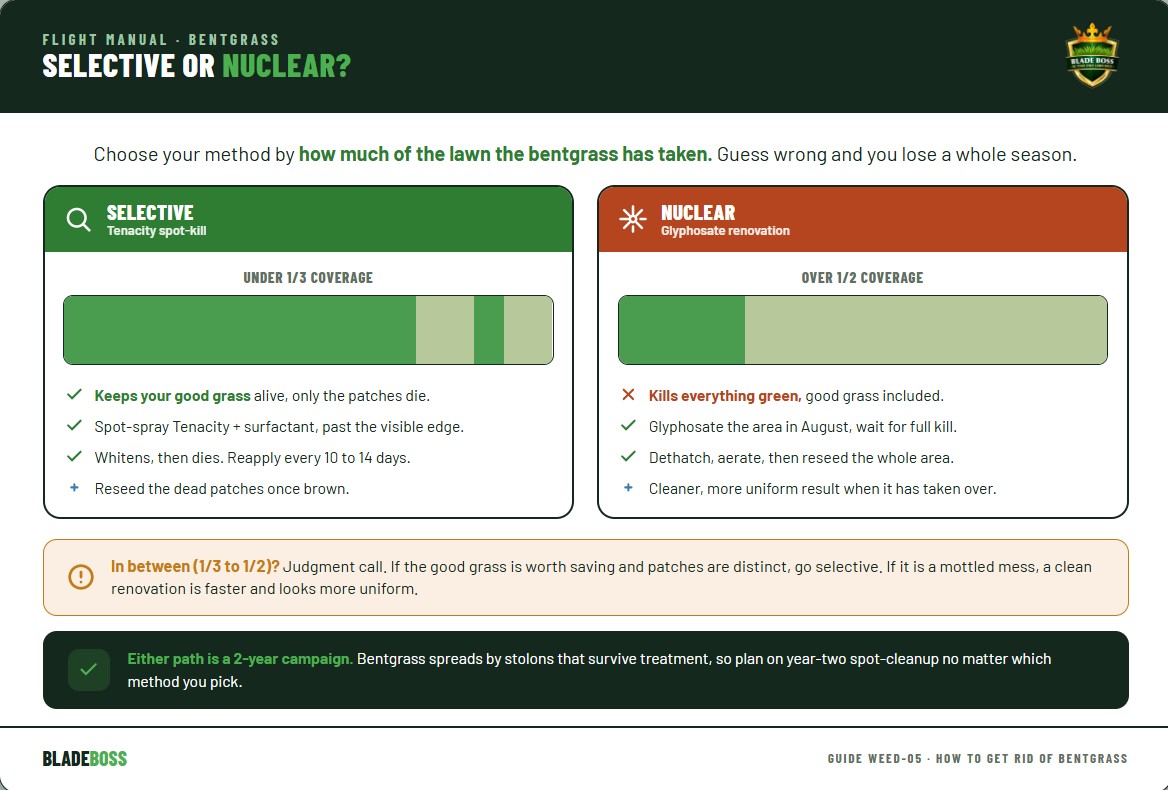
How you attack bentgrass depends entirely on how much of your lawn it has taken. Be honest about the coverage, because picking the wrong method wastes a whole season.
- Less than about a third of the lawn: go selective (Tenacity). You can kill the bentgrass patches while keeping your good grass alive, spot-spraying just the affected areas.
- More than about half the lawn: go nuclear (glyphosate renovation). When bentgrass dominates, it is faster and more reliable to kill everything and start fresh than to chase scattered patches.
- In between (a third to a half): your call. Weigh how patchy it is, how much good grass is worth saving, and your appetite for a full renovation.
- Either way it is a two-year project, so choose the method you can commit to following through.
Option A: Selective Removal with Tenacity
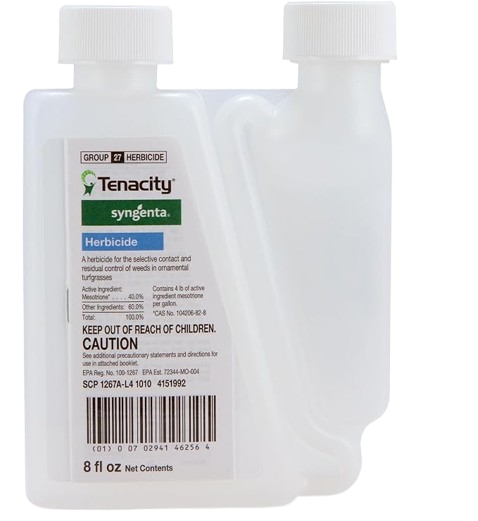
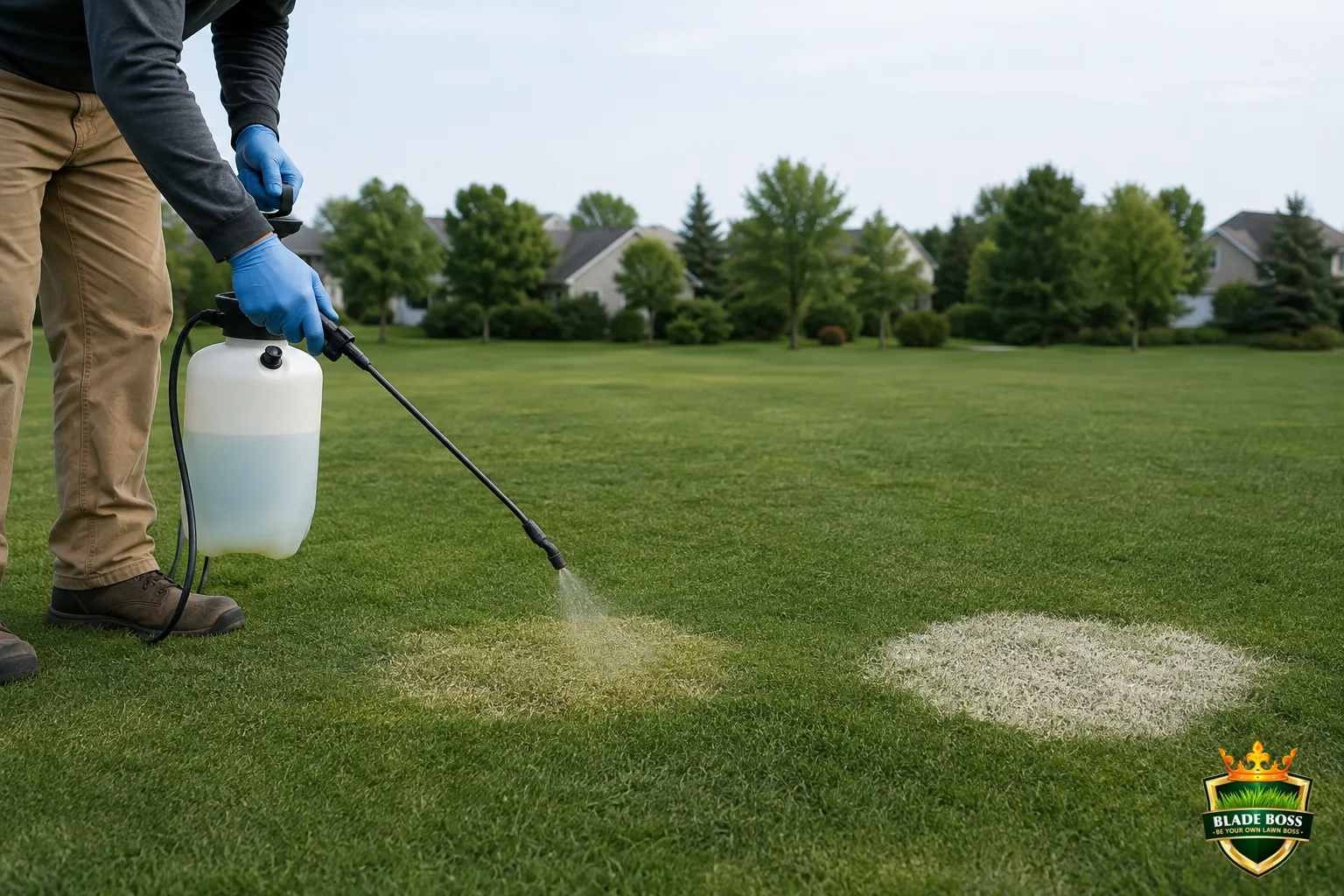
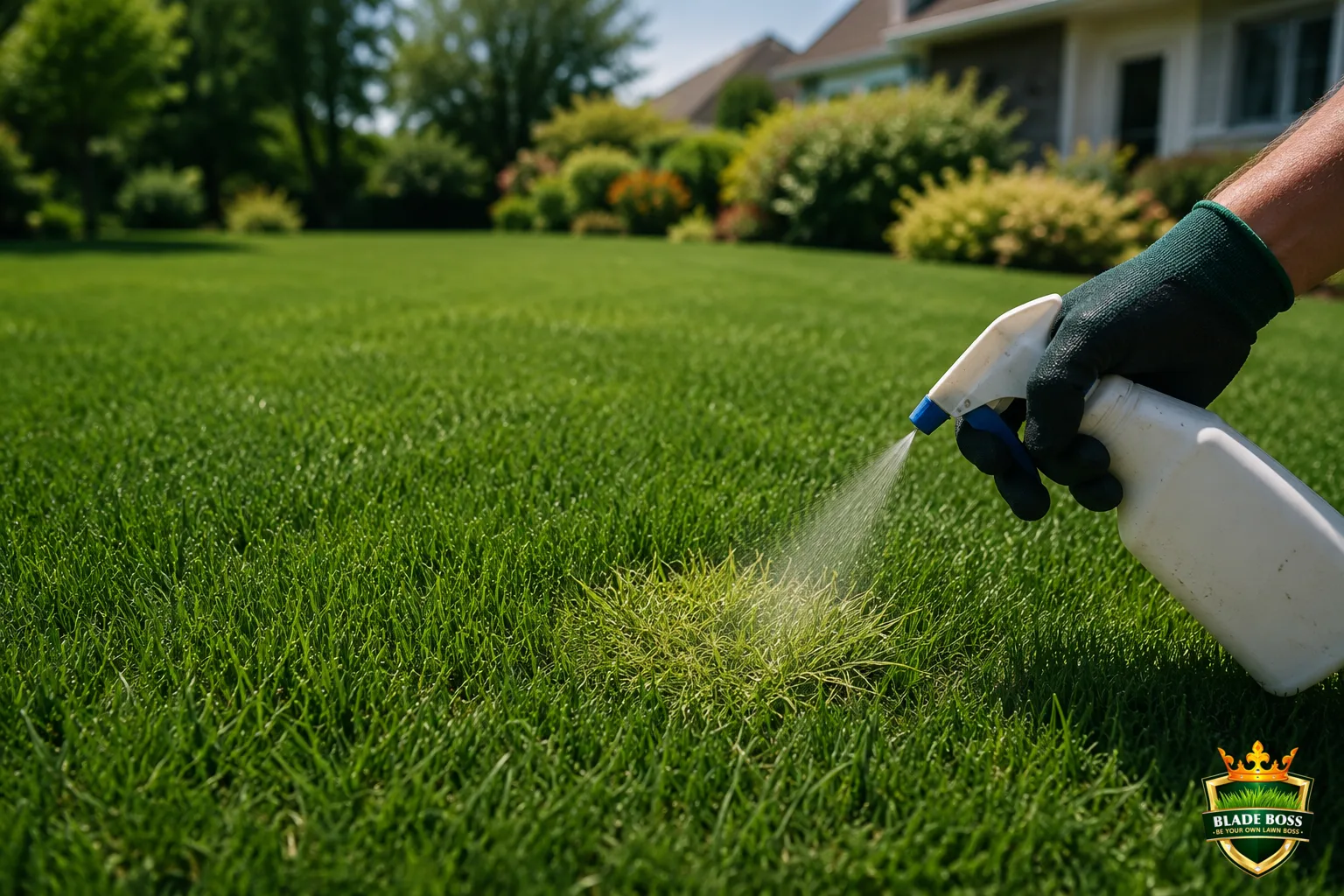
If the bentgrass is patchy, Tenacity (mesotrione) is your tool. It is one of the few herbicides that kills creeping bentgrass while being safe on most cool-season lawn grasses like KBG, fescue, and ryegrass. It works slowly and turns things white before they die, so patience is part of the plan.
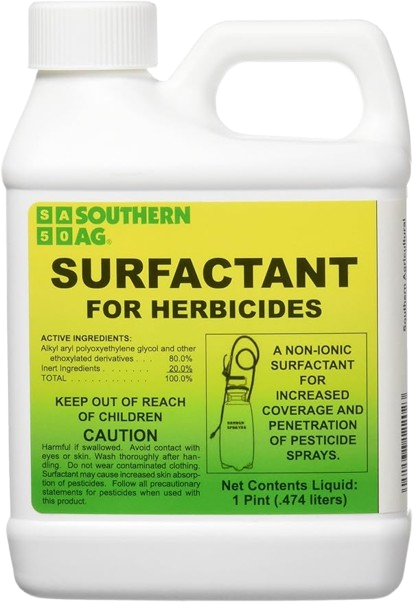
- Mix it right: 1 teaspoon of Tenacity plus 1.5 teaspoons of non-ionic surfactant per gallon of water, treating about 1,000 sq ft. The surfactant is required, without it the spray rolls off.
- Spray past the visible edge: treat 6 inches beyond each patch, since the stolons have already crept further than you can see.
- Expect whitening in 5 to 7 days: the bentgrass (and possibly some surrounding grass) turns white. That is the mesotrione working, and your good grass recovers over about 3 to 4 weeks.
- Reapply 10 to 14 days later, and repeat as needed. Bentgrass often needs several applications to fully die.
- Respect the annual limit: do not exceed 16 oz of Tenacity per acre per year.
- Then scalp, rake, and reseed the dead patches once the bentgrass is brown and gone.
Option B: Nuclear Renovation with Glyphosate
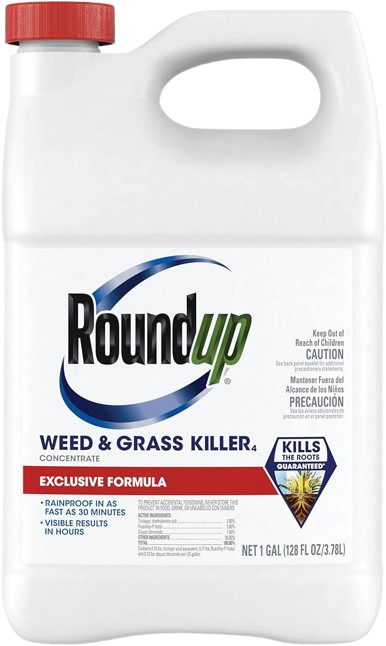
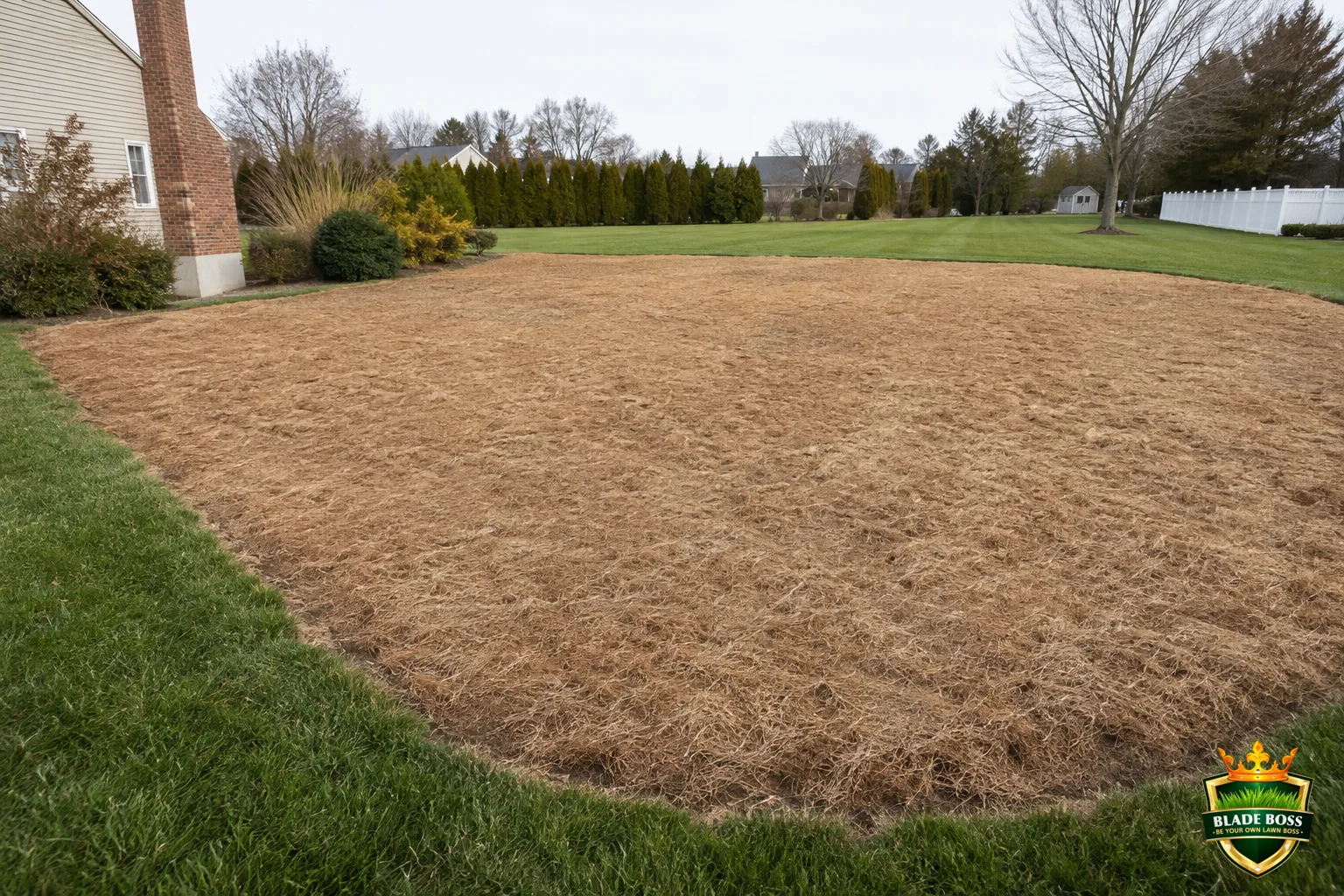
If bentgrass has taken over, stop fighting scattered patches and reset the whole area. Glyphosate kills everything green it touches, so this is the clean-slate approach: kill it all, then rebuild the lawn from scratch. Time it so your reseeding lands in the Long Island fall window.
- Spray glyphosate in early to mid August over the entire affected area. This kills ALL the grass, not just the bentgrass, so be careful about overspray onto anything you want to keep.
- Wait 7 to 10 days until everything is completely brown and dead. A second spray on any survivors is common.
- Scalp and dethatch: mow it as low as possible, then power-rake or dethatch to pull out all the dead material. Bentgrass mats up like carpet, so really get in there.
- Core aerate the bare ground to prep a good seedbed.
- Seed between August 15 and September 15 with a quality cool-season blend, this is your Long Island window, do not miss it.
- Apply starter fertilizer at seeding and keep the seed consistently moist until germination.
Reseed and Protect the New Lawn
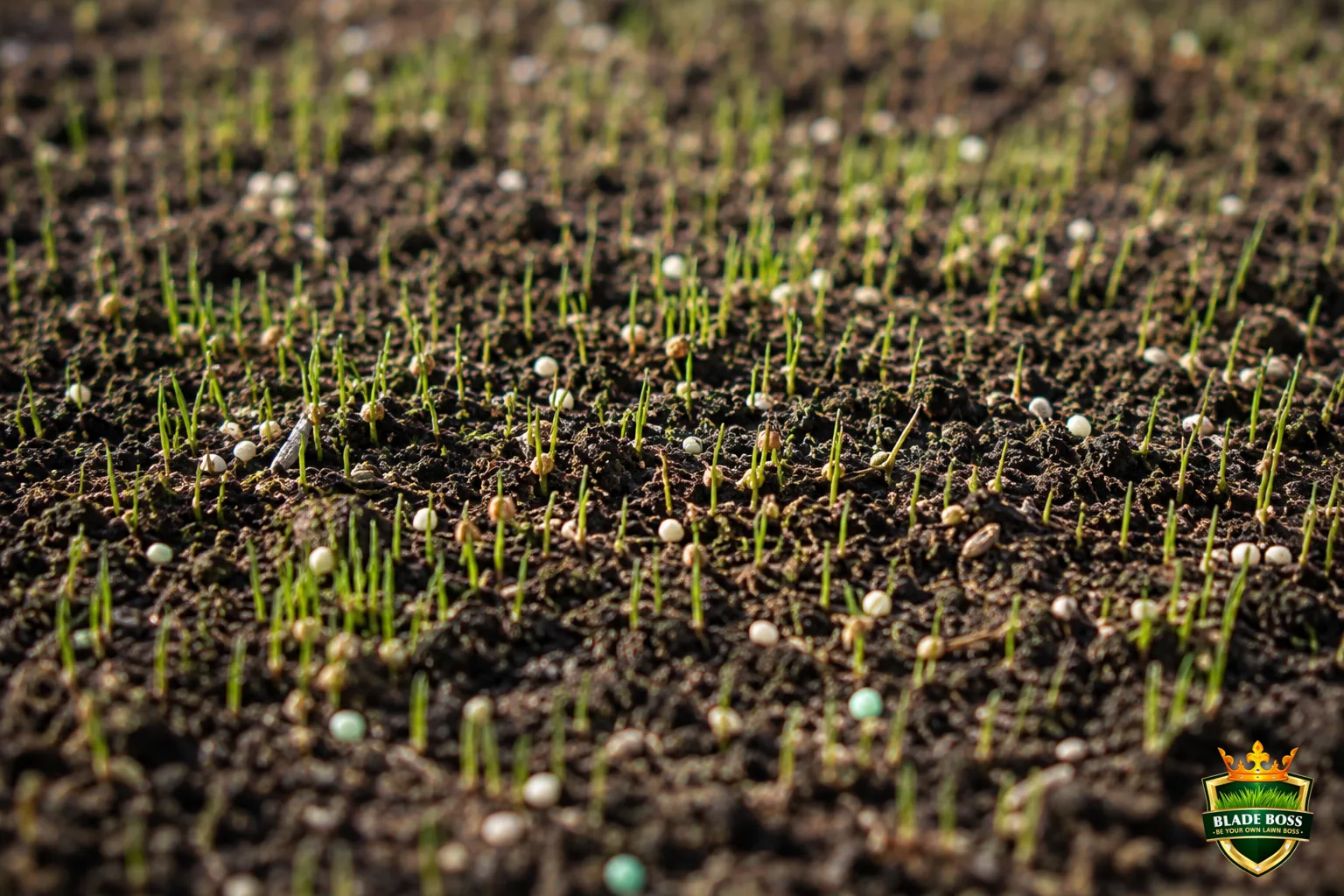
Whether you spot-killed patches or nuked the whole area, the bare ground needs to fill in with desirable grass fast, before weeds or surviving bentgrass reclaim it. The seeding rules are the same for both methods.
- Seed in the fall window (Aug 15 to Sept 15 on Long Island) with a quality cool-season blend. Fall seeding avoids the spring crabgrass-and-bentgrass double battle.
- Do not use a normal pre-emergent at seeding, it kills your new grass seed. Mesotrione (Tenacity) is the one product safe to use at seeding, and it also suppresses weeds while your new grass establishes.
- Apply starter fertilizer at seeding to feed the young roots.
- Keep the seed moist: light watering 2 to 3 times a day until germination (about 7 to 14 days), then taper as it establishes.
- First mow at about 3 inches once the new grass is tall enough, and baby it through fall.
Plan for Year Two
This is the step people skip, and it is why they think bentgrass beat them. Bentgrass spreads by stolons, and no matter how careful you were, some survive. Expect it to reappear the following spring, and be ready to finish the job rather than starting over.
- Scout the following spring for bentgrass regrowing from stolons you missed, usually at the edges of where you treated.
- Spot-treat survivors with Tenacity the same way, past the visible edge, with surfactant, repeated as needed.
- Keep your new lawn thick and healthy: dense, well-fed turf mowed at the right height resists bentgrass creeping back in.
- Accept the timeline: full bentgrass removal is realistically a two-year process. Staying on it in year two is what actually wins.
Abort Criteria - Common Mistakes
Mission Complete. Now Fly the Plan.
Bentgrass is beatable, but only if you respect what it is: a creeping golf-course grass that spreads by runners and comes back from anything you miss. Pick your method by coverage, selective Tenacity for patches, a full glyphosate renovation when it has taken over, spray past the visible edge, reseed in the fall window, and commit to a two-year campaign with year-two cleanup. That is how you actually win. For a full renovation, follow how to start a new lawn from bare soil, for patch repair see how to overseed your lawn, and track your fall seeding window with the Weather Hub.
Want This as a Printable Field Manual?
Drop your email and the print-ready PDF version lands in your hands. Take it to the lawn, no phone required.
Crew Questions - FAQ
How do I get rid of bentgrass in my lawn?
There are two real methods, chosen by how much bentgrass you have. If it covers less than about a third of your lawn, use selective removal: spray the patches with Tenacity (mesotrione) plus a non-ionic surfactant, treating 6 inches past the visible edge, expect whitening in 5 to 7 days, reapply every 10 to 14 days until the bentgrass is dead, then reseed the bare spots. If it covers more than about half your lawn, do a nuclear renovation: kill the entire area with glyphosate in August, wait for a full kill, dethatch and aerate, then reseed with a quality cool-season blend in the mid-August to mid-September window. Either way, bentgrass spreads by stolons and almost always regrows from runners you missed, so plan on a two-year process with year-two spot-treatment.
Can you kill bentgrass without killing the rest of the lawn?
Yes, with Tenacity (mesotrione), which is one of the few herbicides that selectively kills creeping bentgrass while being safe on most cool-season lawn grasses such as Kentucky bluegrass, tall fescue, and ryegrass. You spot-spray the bentgrass patches at a rate of about 1 teaspoon of Tenacity plus 1.5 teaspoons of non-ionic surfactant per gallon per 1,000 square feet, treating slightly past the visible edge because the stolons spread further than you can see. The bentgrass (and sometimes nearby grass) turns white within 5 to 7 days, which is the herbicide working, and your desirable grass recovers over 3 to 4 weeks. You typically need several applications 10 to 14 days apart. This selective approach only makes sense when the bentgrass is patchy; if it has taken over, a full renovation is more reliable.
Why does bentgrass look so bad in a normal lawn?
Because bentgrass is bred and adapted to be mowed extremely low, around half an inch, like a golf course putting green or fairway. At that height it forms a dense, fine, uniform carpet. But at normal home-lawn mowing heights of 3 inches or so, it grows into puffy, spongy, pale, light-green patches with a fine texture that looks completely different from the surrounding grass. There is no way to maintain bentgrass mixed into a regular lawn and have it look good, you would have to mow the whole lawn like a putting green, every couple of days with a reel mower, which is impractical for a home lawn. That is why the realistic options are to remove it, either selectively or through renovation, rather than trying to live with it.
Will bentgrass come back after I kill it?
Very likely, at least partially, which is why bentgrass removal is a two-year project rather than a one-time job. Bentgrass spreads by stolons, above-ground runners that creep outward, and these frequently extend further than the visible patch and can survive treatment if any portion is missed. Even with careful spraying past the patch edges, some stolons typically survive and regrow the following spring, usually around the margins of where you treated. This is not a sign the treatment failed, it is simply how bentgrass behaves. The key to actually winning is to expect this regrowth, scout for it the next spring, and spot-treat the survivors with Tenacity, repeating until it is gone. Homeowners who quit after year one are the ones who feel like bentgrass beat them.
When should I renovate a lawn to remove bentgrass on Long Island?
Time the renovation so your reseeding lands in the Long Island fall window, which is roughly August 15 to September 15. Working backward from that, a nuclear glyphosate renovation starts in early to mid August: spray the area, wait 7 to 10 days for a complete kill (with a follow-up spray on survivors if needed), then scalp, dethatch, and core aerate before seeding in that mid-August to mid-September window. For selective Tenacity removal, late July into August is a good time to begin applications so the bentgrass is dead and the spots are ready to reseed in the same fall window. Avoid spring seeding entirely, because you would be establishing new grass while fighting both crabgrass and any surviving bentgrass at the same time, which is a losing battle. Fall is the window, do not miss it.
What kills bentgrass but not grass?
Tenacity, whose active ingredient is mesotrione, is the go-to selective option. It controls creeping bentgrass while being tolerated by most cool-season lawn grasses like Kentucky bluegrass, tall fescue, and perennial ryegrass. It works systemically and causes a temporary whitening (loss of chlorophyll) in treated plants before they die, with creeping bentgrass being especially affected, and it requires a non-ionic surfactant to work properly. You generally need two or more applications spaced 10 to 14 days apart to kill bentgrass, and you must stay under the annual limit of 16 ounces of Tenacity per acre per year. It is important to understand that selective control is only practical when bentgrass is patchy. When it dominates a lawn, no selective spray is efficient enough, and a full glyphosate renovation becomes the better path.