

GUIDE SEED-02 · REV A
How to Start a New Lawn From Bare Soil
Starting a lawn from bare dirt is the most rewarding lawn project you can take on, and the easiest to get wrong. Almost every failed new lawn traces back to the same mistake: someone threw seed on unprepared ground and hoped. The grass you will be mowing for the next twenty years is decided in the two weeks before a single seed goes down, and it is decided in the soil. Get the soil right and seeding is easy. Skip it and no amount of seed, water, or money fixes what you built on. This is the full job, done in the right order.
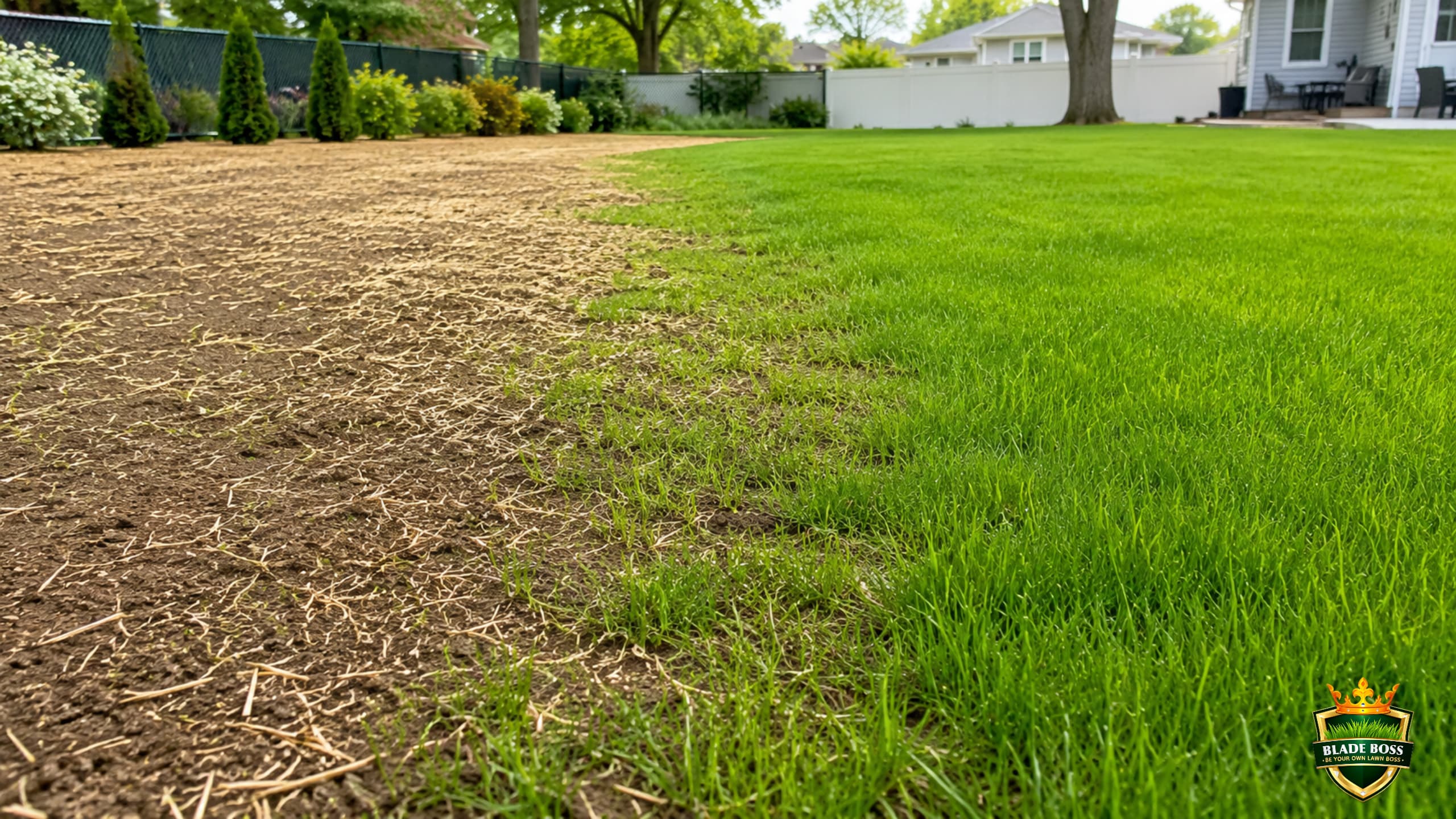
Pre-Flight Checklist - What You Need

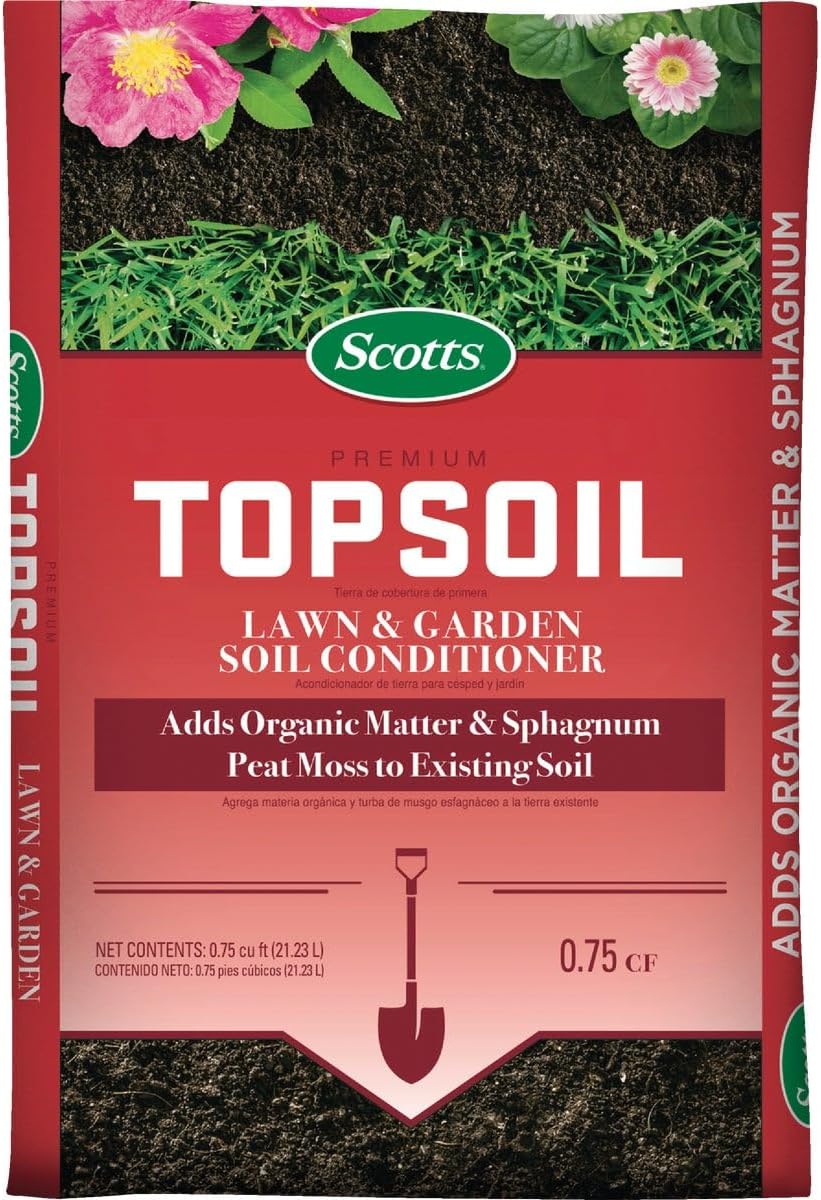
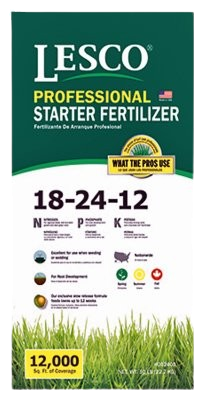
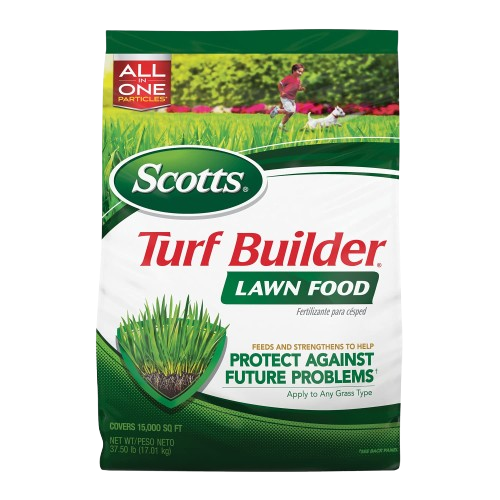
As an Amazon Associate, Blade Boss earns from qualifying purchases. It never costs you a penny more.
Rules of Engagement (ROE's)
The Flight Plan - Step by Step
Test and Correct Your Soil (The Most Important Step)
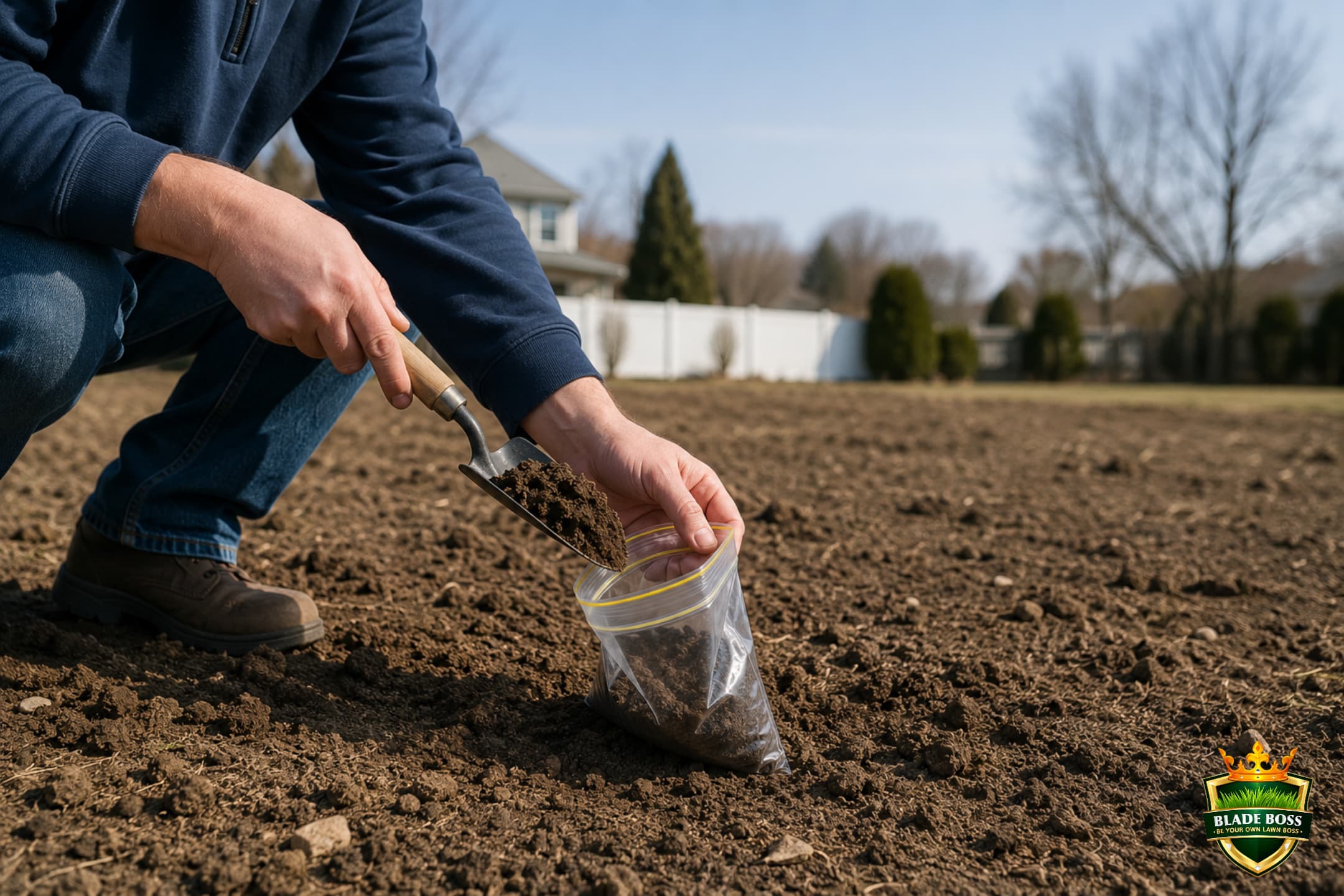
This is the foundation of everything, and it is where a new lawn is truly won or lost. Before you move any dirt, get a real soil test so you know your pH and nutrient levels, then correct them while the ground is still bare and you can actually work amendments in deep. You will never again have this easy an opportunity to fix your soil, so do not waste it.
Cool-season grass tolerates a pH of about 6.0 to 7.0, and 6.5 is the true target, the point where soil nutrients are most available. Long Island native soils run acidic (often 4.5 to 5.5), so most new lawns here need lime to climb into range. Here is the catch that makes this a before-you-start job: lime works slowly. A small correction reacts over 3 to 6 months, but a big swing like 5.5 up to 6.5 can take a year or more, sometimes close to two, and usually more than one application. If your pH is well off, correct it as far ahead of seeding as you can, even the season before.
Clear and Rough-Grade the Site
With your soil plan set, clear the ground and shape it. Remove everything that is not soil, old sod, weeds and roots, rocks, construction debris, and building leftovers, so you are working with clean dirt. Then rough-grade to fix the shape of the land before you ever think about seed.
- Kill or remove existing weeds and grass first, so they do not compete with your new seedlings.
- Slope everything away from the house, a gentle fall of about a couple of inches per ten feet, so water drains off and not toward the foundation.
- Fill low spots that would pool water, since standing water drowns new grass and breeds disease.
- Remove rocks and debris down to a workable surface, anything bigger than a golf ball comes out.
Build a Fine, Firm Seedbed
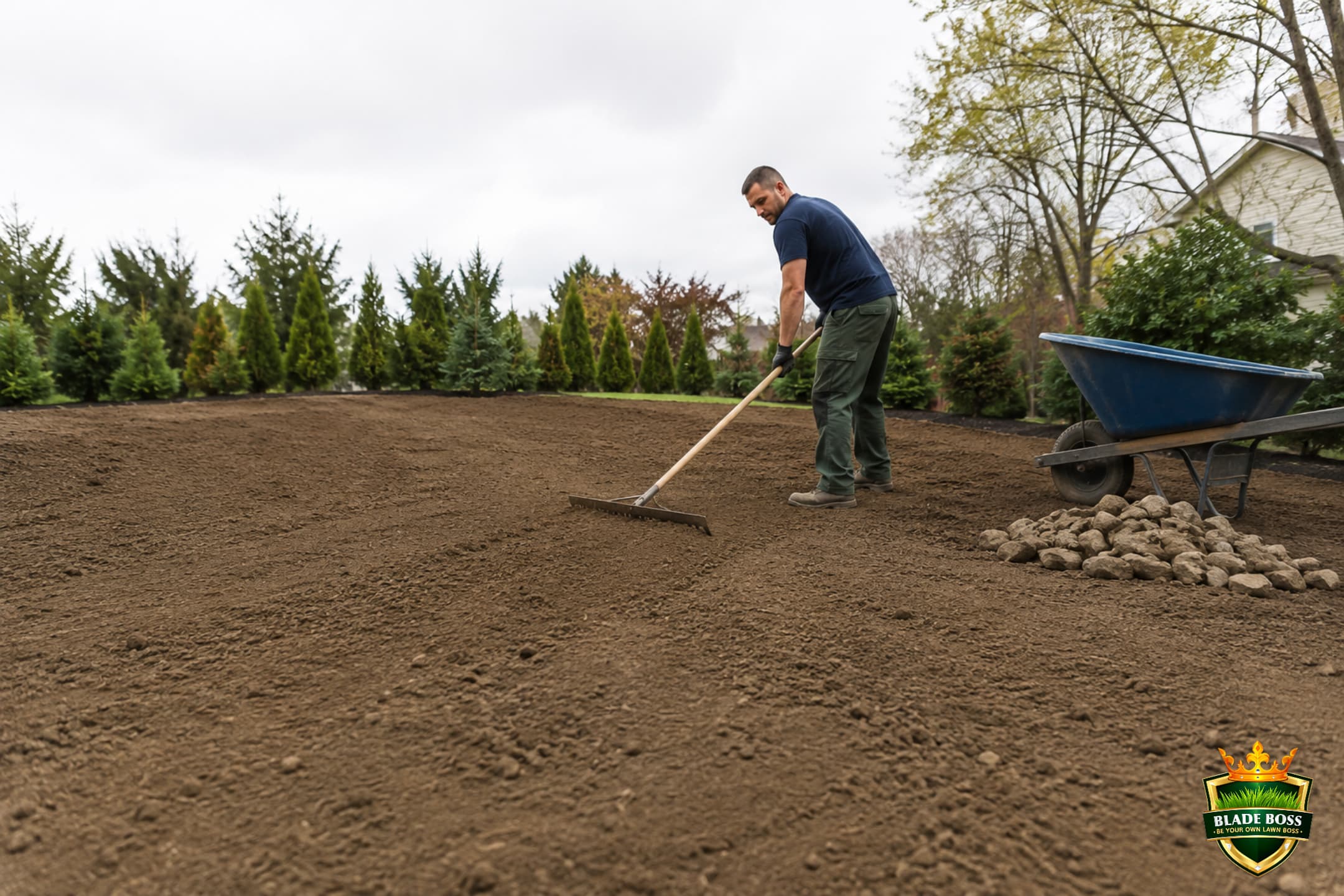
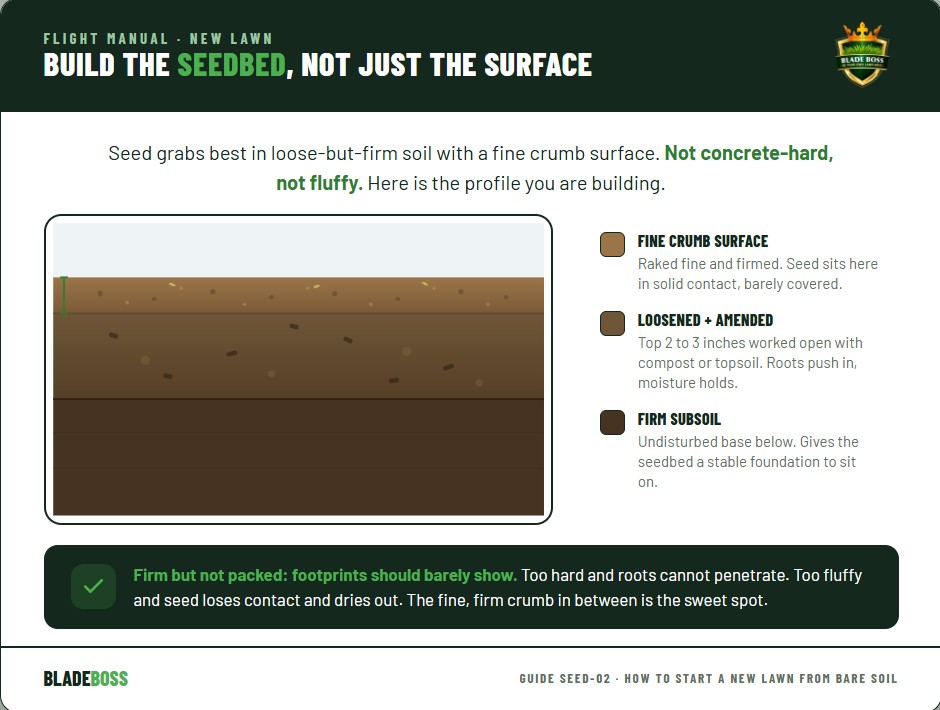
This is where good soil becomes a great seedbed. Grass seed germinates best in loose but firm soil with a fine, crumbly surface, so the seedling roots can push in and the seed sits in solid contact. Loosen the top few inches, work in organic matter, then level and firm it into a fine seedbed.
- Loosen the top 2 to 3 inches by tilling or raking, so compacted ground becomes workable and roots can penetrate.
- Work in compost or quality topsoil, especially on Long Island sand, to add organic matter that holds moisture and nutrients.
- Rake to a fine, level surface, breaking up clumps so the top looks like coarse crumbs, not chunks.
- Firm it lightly with a roller or by walking it, then rake once more. You want footprints to barely show, firm but not packed hard.
Choose the Right Seed for Your Yard
Now the seed, and this choice sets the character of your lawn for years, so do not grab the cheapest bag. Match the grass type to your conditions (sun, shade, traffic, and how much water and care you want to give), and buy quality seed, because whatever is in the bag is what your lawn becomes.
- Match type to conditions: tall fescue for sun and durability, fine fescue for shade, Kentucky bluegrass for a classic dense lawn that self-repairs, or a blend for mixed conditions.
- Buy quality: look for 0 percent weed seed, a germination rate of 85 percent or higher, and named cultivars, not cheap generic filler.
- Avoid bargain-bin seed: low-quality bags carry weed seed and filler that become weeds and thin spots in your finished lawn.
- Let SeedGenius match it: enter your conditions and it recommends the right grass type and blend for your yard.
Seed at the Full New-Lawn Rate
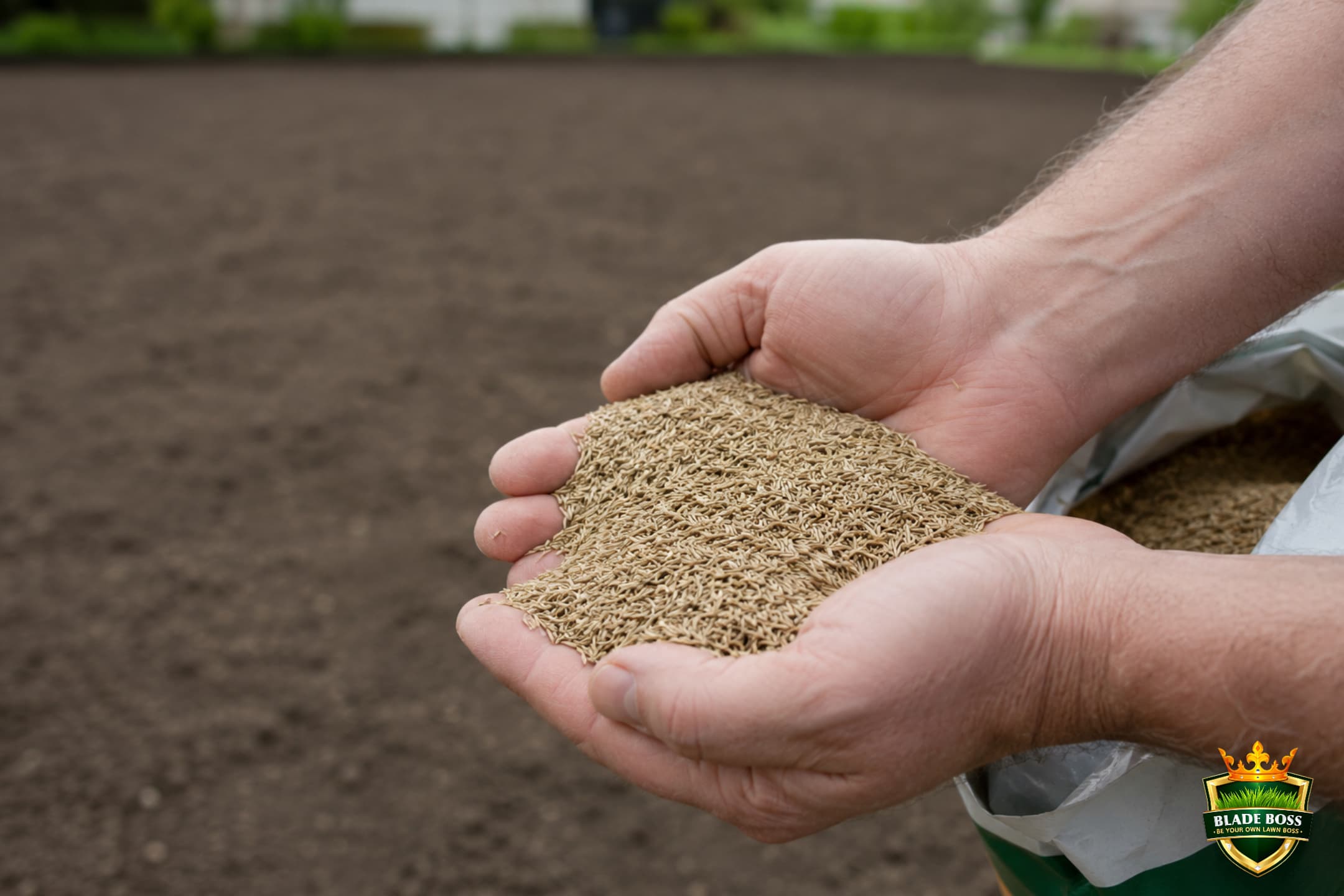
A new lawn from bare soil needs far more seed than overseeding an existing one, roughly double the overseed rate, because you are building full coverage from nothing. Just as important as the amount is the technique: even distribution and light contact with the soil, not seed buried deep or piled in clumps. Proper technique is the difference between 80 to 90 percent germination and the 20 percent an amateur gets throwing seed by hand.
- Use a spreader at the new-lawn rate on the bag, not the overseed rate. When in doubt, run SeedGenius for your exact number.
- Spread in two directions, half the seed each way in a crossing pattern, for even coverage with no bare gaps or heavy clumps.
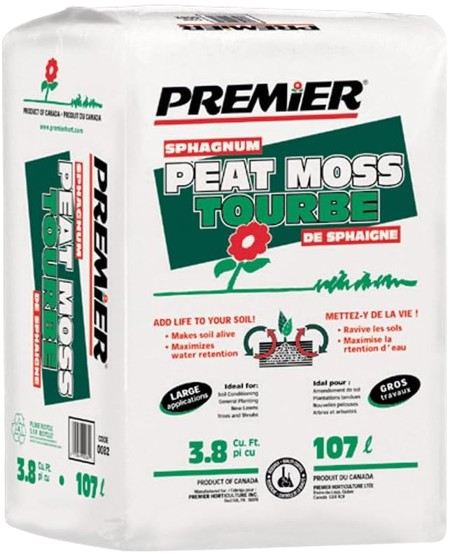
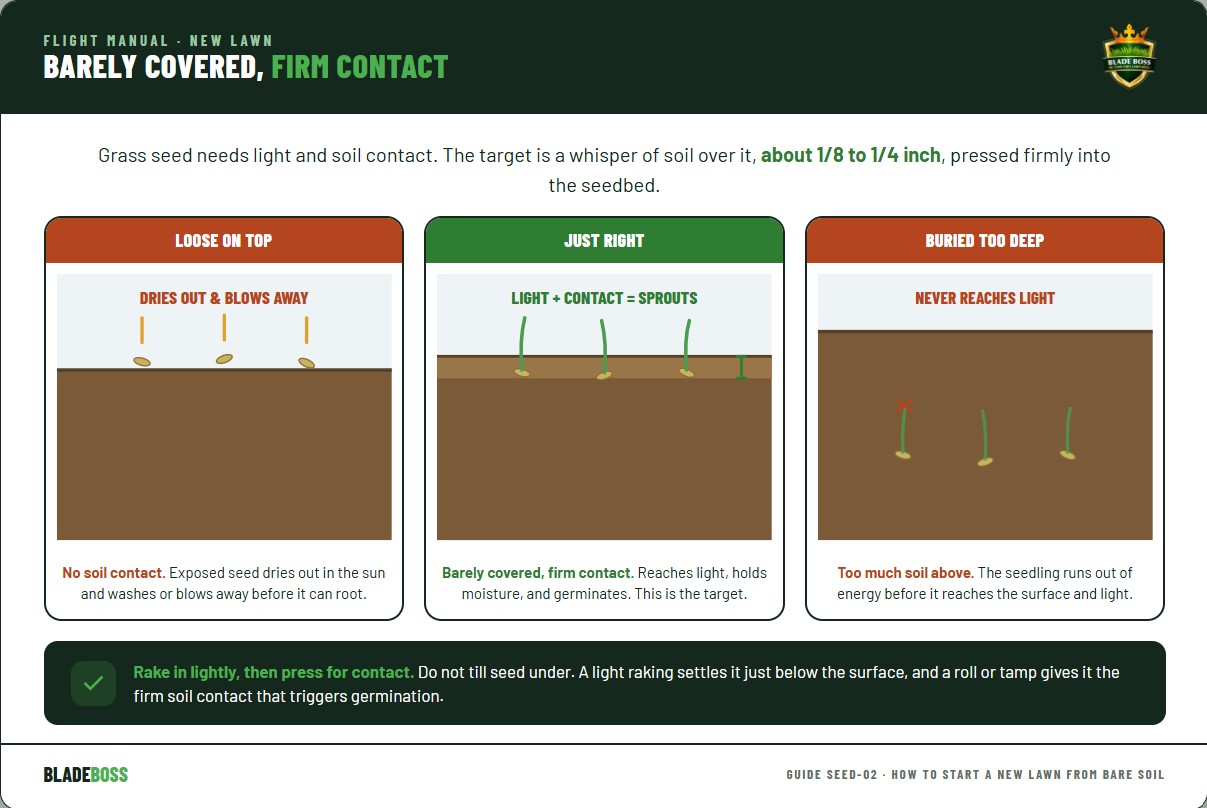
- Topdress with a thin layer of peat moss (about 1/8 inch), the pro move for a new lawn. It covers the seed just right, holds moisture at the surface, and beats bare soil for germination. A light rake works too if you skip the peat moss, just do not bury the seed.
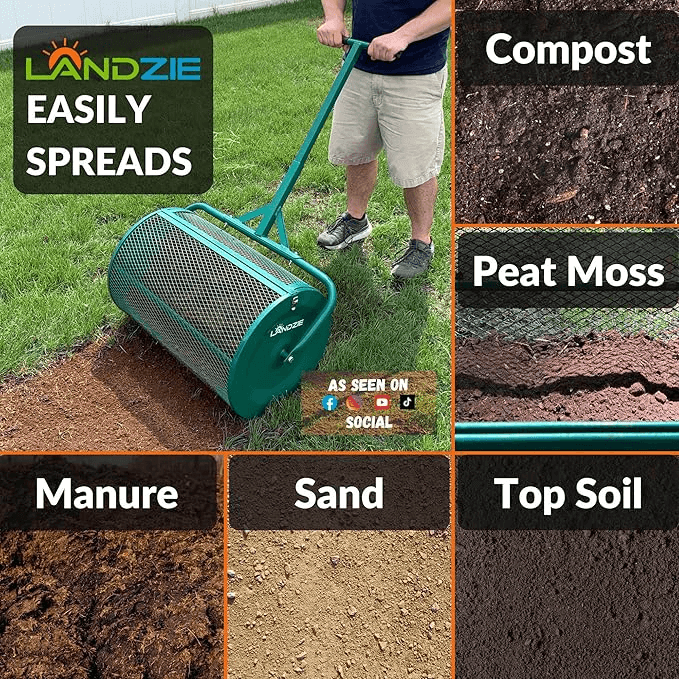
- Roll it to press seed into contact. A lawn roller (filled about a third with water) presses seed and topdress into firm contact with the soil, which is what triggers germination. This is the step most people skip and then wonder why germination was patchy.
Feed, Cover, and Protect the Seed
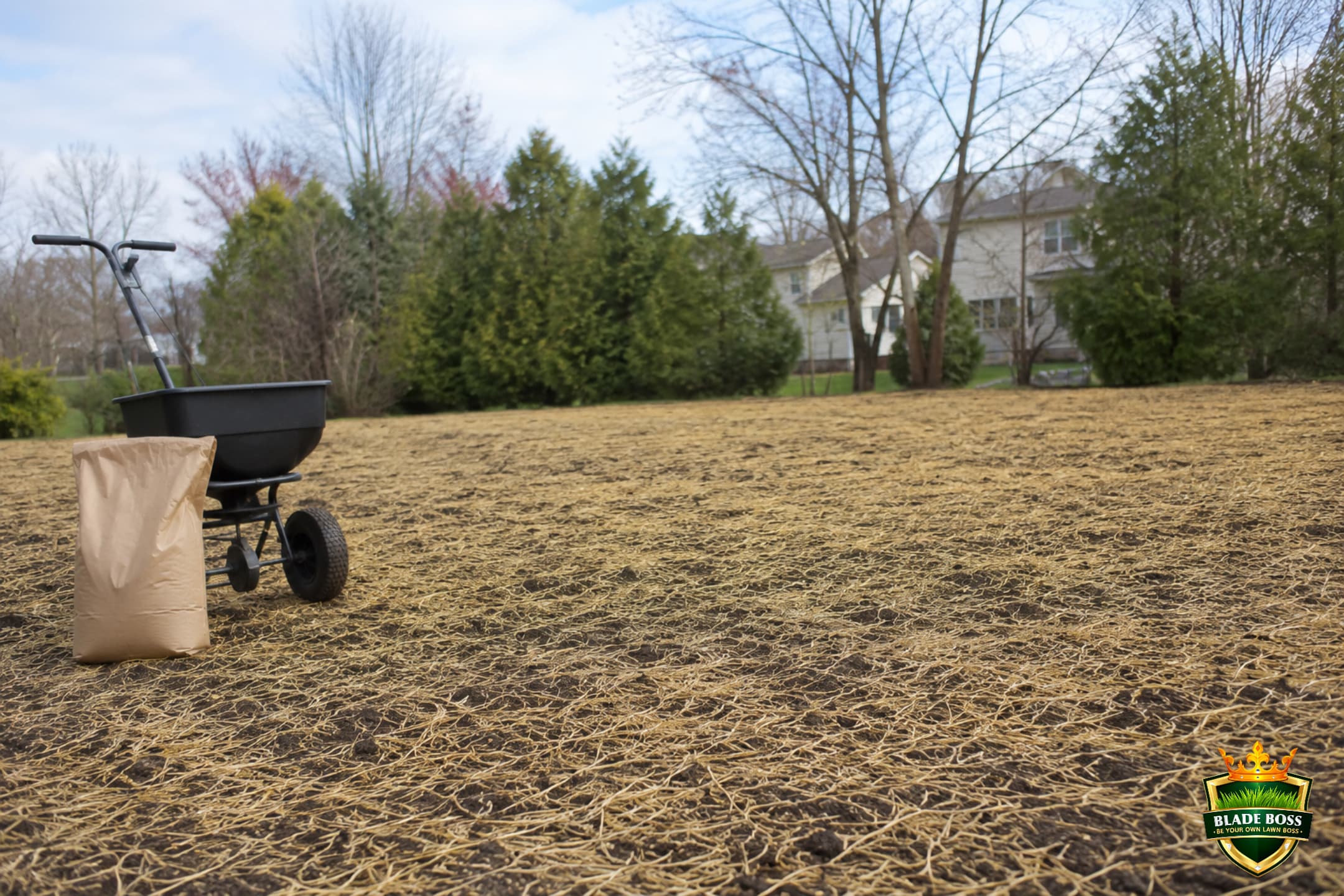
Right after seeding, give the new grass its best start and shield the seedbed. A starter fertilizer feeds root development, and a light mulch holds moisture and keeps seed from washing away or drying out, the two biggest threats in the first two weeks.
- Apply a starter fertilizer for root development. Starter ferts are higher in phosphorus (a 1-2-1 style ratio), which is legal for new lawns, but if your soil test showed high phosphorus, use a phosphorus-free starter instead.
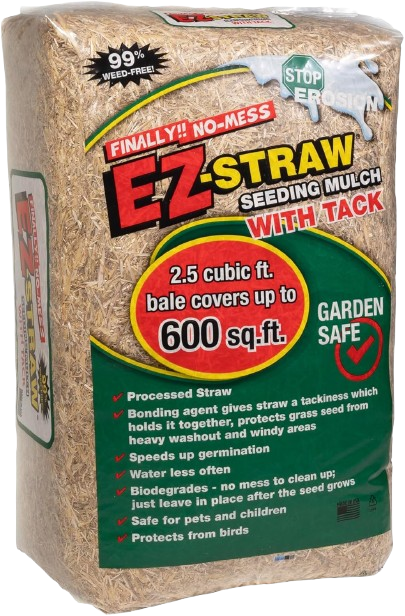
- Cover the seed: peat moss or straw. A thin peat moss topdress (from the last step) is the premium choice and doubles as your cover. On big areas or slopes, a light straw mulch (a seeding mulch with tackifier resists blowing) is cheaper and works well. Either way, keep it thin enough to still see soil, since a heavy mat blocks the light seedlings need.
- Skip the weed-and-seed products. Most combination weed-and-seed bags contain a regular pre-emergent that will kill your new grass seed right alongside the weeds. The one seeding-safe exception is a mesotrione product (Tenacity), which can go down at seeding and gives partial weed suppression without harming new seedlings.
- Rope it off so nobody walks the seedbed while it establishes.
Water for Germination (The Make-or-Break Phase)
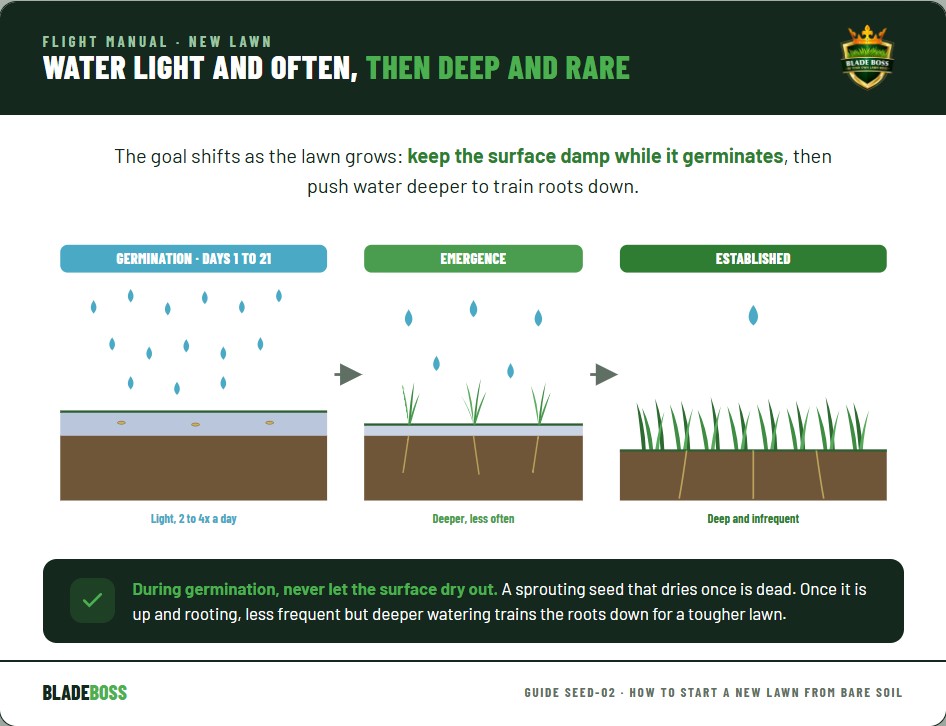
This is the step that decides whether all your soil work pays off, and it is where most new lawns die: the seedbed must stay consistently moist until the grass is up and established. A germinating seed that dries out even once is dead, and it will not restart. For the first couple of weeks your job is simple and relentless: never let the top of the soil dry out.
- Water lightly and often: short cycles two to four times a day to keep the top inch damp, not soaked. The surface should never go dry and never turn to mud.
- As seedlings emerge (grass types germinate anywhere from 5 to 21 days), start watering a little deeper and less often to push roots down.
- Once established, taper to deep, infrequent watering like a normal lawn, which trains deep roots.
- Keep off it: do not walk the area while it germinates and fills in.
First Mow and the Move to Establishment
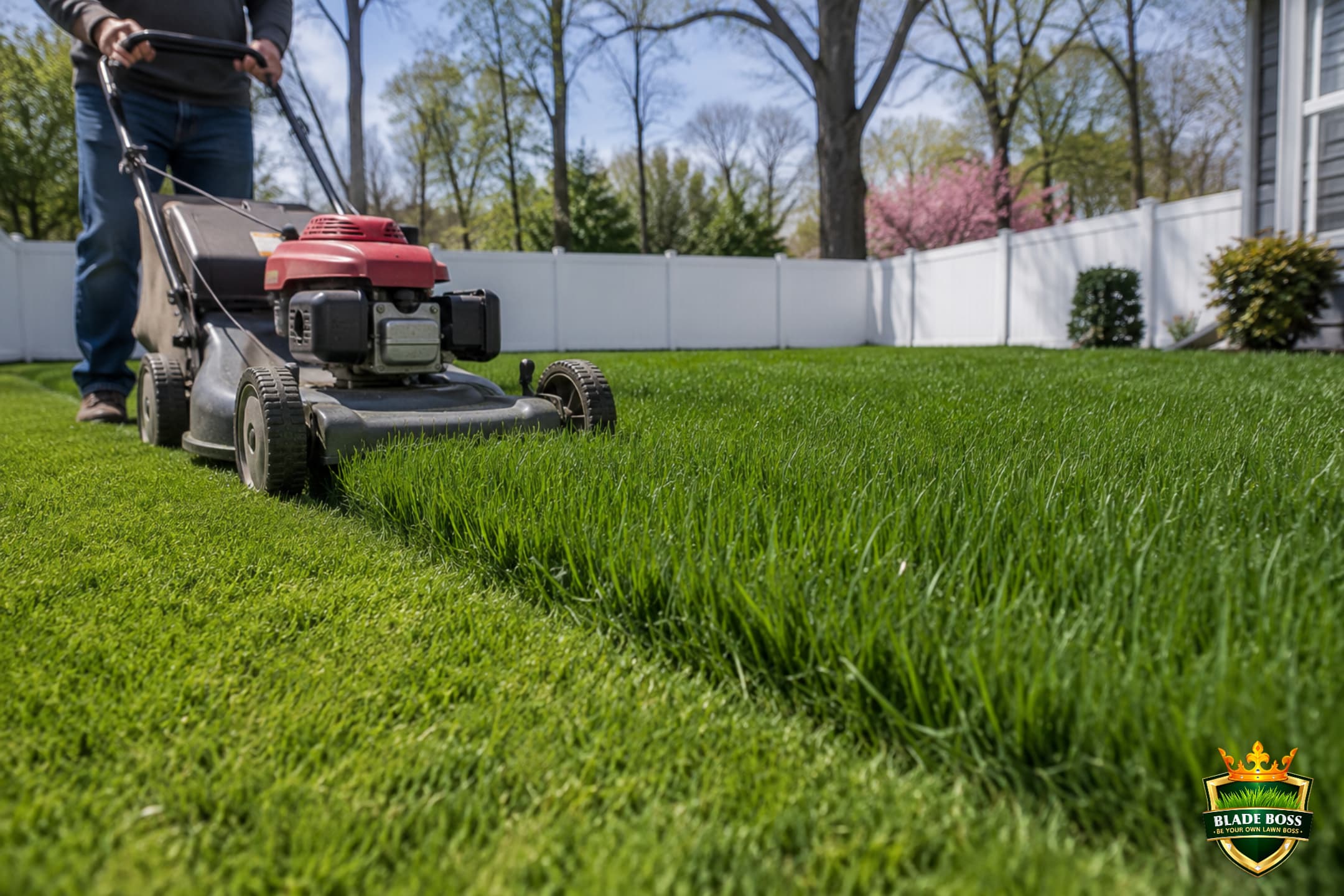
Your grass is up, but it is not a lawn yet. The final phase is easing new grass into a normal maintenance routine without shocking it. Wait for the grass to reach about 3 inches before that first cut, and transition gradually from coddling to normal care over the following weeks.
- First mow when the grass hits about 3 to 3.5 inches, and only take the top third. Make sure the mower blade is sharp so it cuts rather than tears the tender young grass.
- Make sure the ground has firmed up before mowing, so wheels and feet do not rut the soft new seedbed.
- Keep tapering the water toward deep and infrequent as the lawn thickens.
- Hold off on weed control: wait until you have mowed the new grass a few times before applying most weed products, or you can damage it.
Match Your Seed and Rate in SeedGenius Pro
A new lawn lives or dies on two numbers: the right grass type for your yard and the right seeding rate for bare soil. Tell SeedGenius Pro your sun and shade, your use, and your square footage, and it matches you to the correct grass or blend and the full new-lawn rate, so you seed once and get thick, even coverage instead of a thin, patchy result. Build the soil, then let the tool nail the seed.
Open SeedGenius Pro →Abort Criteria - Common Mistakes
Mission Complete. Now Fly the Plan.
A new lawn is a two-week soil project followed by an easy grow-in, not a bag of seed and a prayer. Test and correct the soil, grade it, build a fine firm seedbed, then seed at the right rate, protect it, and keep it moist until it is up. Get the soil right and the grass rewards you for decades. Let SeedGenius Pro nail your grass type and seeding rate, and start the foundation with a proper soil test and pH correction while the ground is still bare and easy to fix.
Want This as a Printable Field Manual?
Drop your email and the print-ready PDF version lands in your hands. Take it to the lawn, no phone required.
Crew Questions - FAQ
What is the most important step when starting a new lawn?
Preparing and correcting the soil, without question. The vast majority of failed new lawns fail because someone seeded on unprepared or uncorrected ground. Before any seed goes down, you should soil test and correct pH (on Long Island that usually means liming acidic soil up toward 6.0 to 7.0), work organic matter into the top few inches, grade for drainage, and build a fine, firm seedbed. Bare soil is the one and only time you can easily fix your soil at depth, so it is worth doing thoroughly. Get the soil right and the seeding and grow-in are the easy part.
When is the best time to plant a new lawn on Long Island?
Late summer into early fall is by far the best window for cool-season grass. The soil is still warm enough for fast germination, the cooler air is easy on young seedlings, weed pressure is falling, and the grass gets a full fall plus the next spring to establish before facing summer stress. Spring is a distant second choice, workable but with more weed competition and less time before summer heat. Early summer is the worst time to start a new lawn, since heat and weeds punish tender new grass.
How much grass seed do I need for a new lawn?
A new lawn from bare soil needs roughly double the seeding rate you would use to overseed an existing lawn, because you are building full coverage from nothing. Exact rates depend on the grass type: for example tall fescue and perennial ryegrass run around 8 to 10 pounds per 1,000 square feet for a new lawn, while Kentucky bluegrass needs much less by weight (around 2 to 3 pounds) because its seed is tiny. Use the new-lawn rate printed on the bag rather than the overseed rate, or run your grass type and square footage through SeedGenius Pro for the precise amount.
Do I need to till before planting grass seed?
For a new lawn from bare soil, you should at least loosen the top 2 to 3 inches so the ground is not compacted and roots can penetrate, and tilling is a common way to do that while working in compost or topsoil. That said, the goal is a loose-but-firm seedbed with a fine crumbly surface, not deeply fluffed soil. After loosening and amending, you rake it level, firm it lightly (footprints should barely show), and rake once more so seed makes solid contact. Over-tilling into a soft fluffy bed is actually a problem, because seed and seedlings need firm contact, not air pockets.
How deep should I plant grass seed?
Barely covered, about 1/8 to 1/4 inch deep, in firm contact with the soil, because grass seed needs light to germinate and should not be buried. The cleanest way to achieve this on a new lawn is to spread seed on the prepared seedbed, topdress with a thin (about 1/8 inch) layer of peat moss to cover it just right, and then roll it with a lawn roller to press seed and topdress into firm contact. If you are not using peat moss, a very light raking settles the seed just under the surface instead. Seed buried too deep never reaches the surface and dies, while seed left loose on top dries out and washes away, so that thin cover with good contact underneath is the sweet spot.
How often should I water new grass seed?
Frequently and lightly, keeping the top of the soil constantly moist but not soaked, until the grass has germinated and established. In practice that means short watering cycles two to four times a day for the first couple of weeks, because a germinating seed that dries out even once will die and not restart. As the seedlings emerge and grow, you gradually shift to deeper, less frequent watering to drive the roots down, and once the lawn is established you move to the deep, infrequent watering of a mature lawn. The critical rule during germination is simple: never let the surface dry out.
Can I use starter fertilizer with phosphorus on a new lawn in New York?
Yes. New York State bans phosphorus in lawn fertilizer on established lawns unless a soil test shows a deficiency, but establishing a new lawn is a legal exception, and starter fertilizers are higher in phosphorus specifically because it drives early root development. The honest caveat for Long Island is that most local soils already test high in phosphorus (Cornell data has found the large majority of Suffolk samples testing high), so you should let your soil test decide. If your phosphorus is already high, use a phosphorus-free starter fertilizer even on a new lawn, since adding phosphorus you do not need is both wasteful and an environmental concern near our waterways.
How long until a new lawn is established?
Germination itself takes anywhere from about 5 to 21 days depending on grass type (ryegrass is fast, bluegrass is slow), but establishment takes longer. You will usually take your first mow a few weeks after seeding once the grass reaches about 3 inches, and the lawn continues thickening for the rest of that season. A fall-seeded lawn is typically usable that fall and fully filled in by the following spring or early summer. Patience during establishment pays off: keep foot traffic and heavy use off it, keep tapering the watering toward deep and infrequent, and hold off on most weed controls until you have mowed the new grass several times.
Should I use straw on newly seeded soil?
A light straw mulch is very helpful on a new lawn, because it holds moisture at the surface, moderates soil temperature, and keeps seed from washing away in rain or drying out in sun, which are the biggest threats in the first two weeks. Apply it thinly, so you can still see soil through the straw, and a seeding mulch with a tackifier is worth it because it resists blowing and washing away. Just do not pile it on thick, since a heavy mat blocks the light seedlings need. On slopes especially, mulch (or an erosion-control blanket) makes a real difference in keeping your seed where you put it.