
GUIDE WEED-01 · REV A
How to Spray Weeds Without Killing Your Lawn
The right herbicide in the wrong hands still wrecks a lawn. People buy the correct product, then spray it on a hot windy afternoon at triple the rate with no surfactant and burn a brown streak across the yard. Which herbicide to buy is a decision the blog side handles. This is the other half: how to mix it, how to spray it, and how to not poison your grass, your garden, or yourself doing it.
Pre-Flight Checklist - What You Need
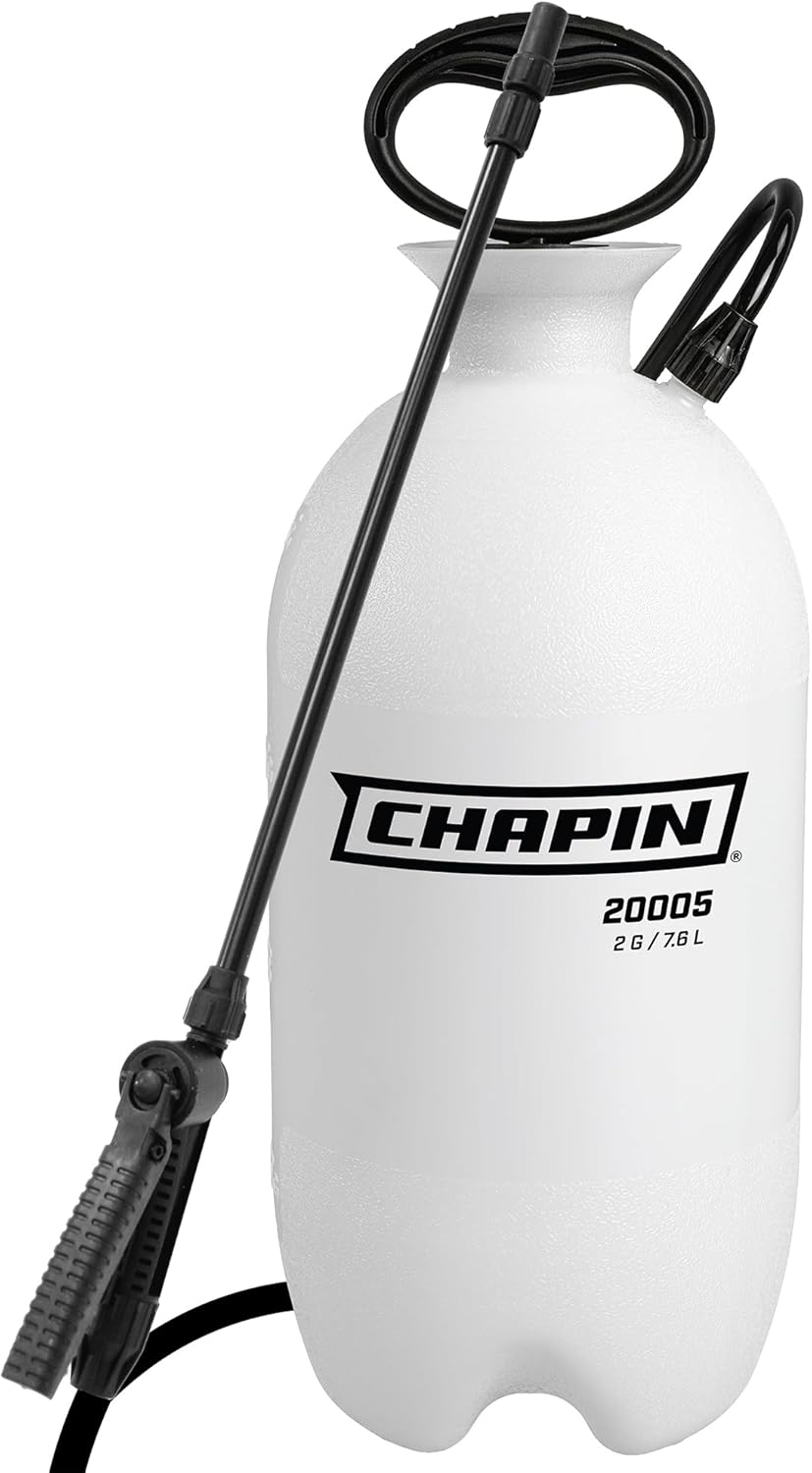
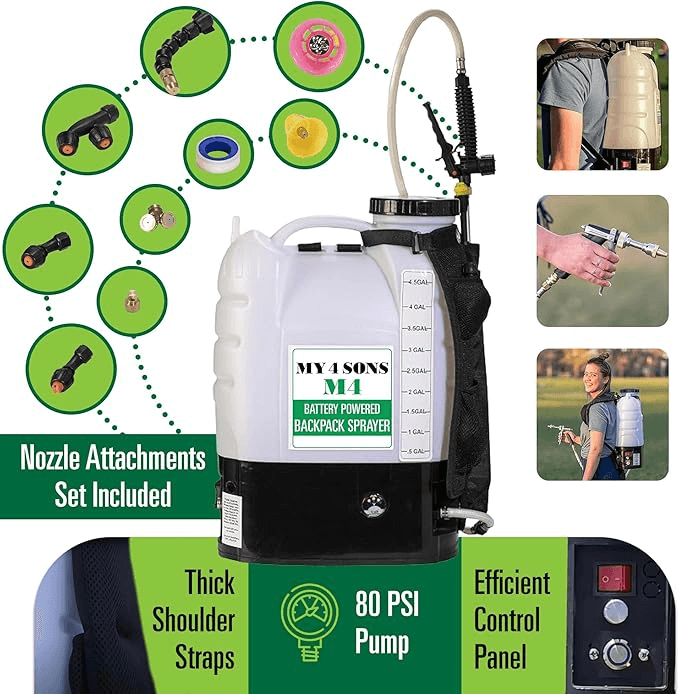
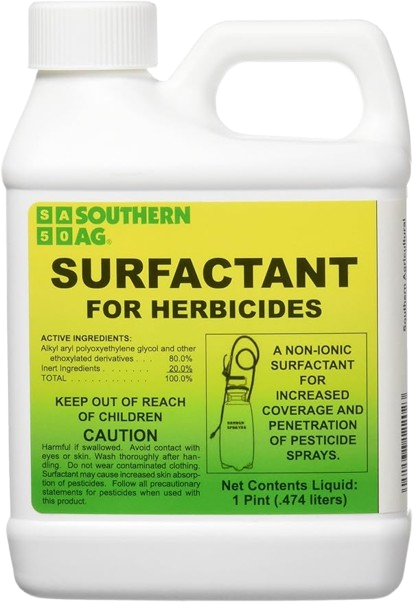
As an Amazon Associate, Blade Boss earns from qualifying purchases. It never costs you a penny more.
Rules of Engagement (ROE's)
The Flight Plan - Step by Step
Selective or Non-Selective? Get This Right or Stop
This is the one that kills lawns, so it comes first. A selective herbicide kills the weed and spares your grass: it targets broadleaf plants (dandelions, clover, plantain) while leaving grasses unharmed. A non-selective herbicide, meaning glyphosate (the active ingredient in Roundup), kills everything green it touches, grass included.

Match the Sprayer to the Job
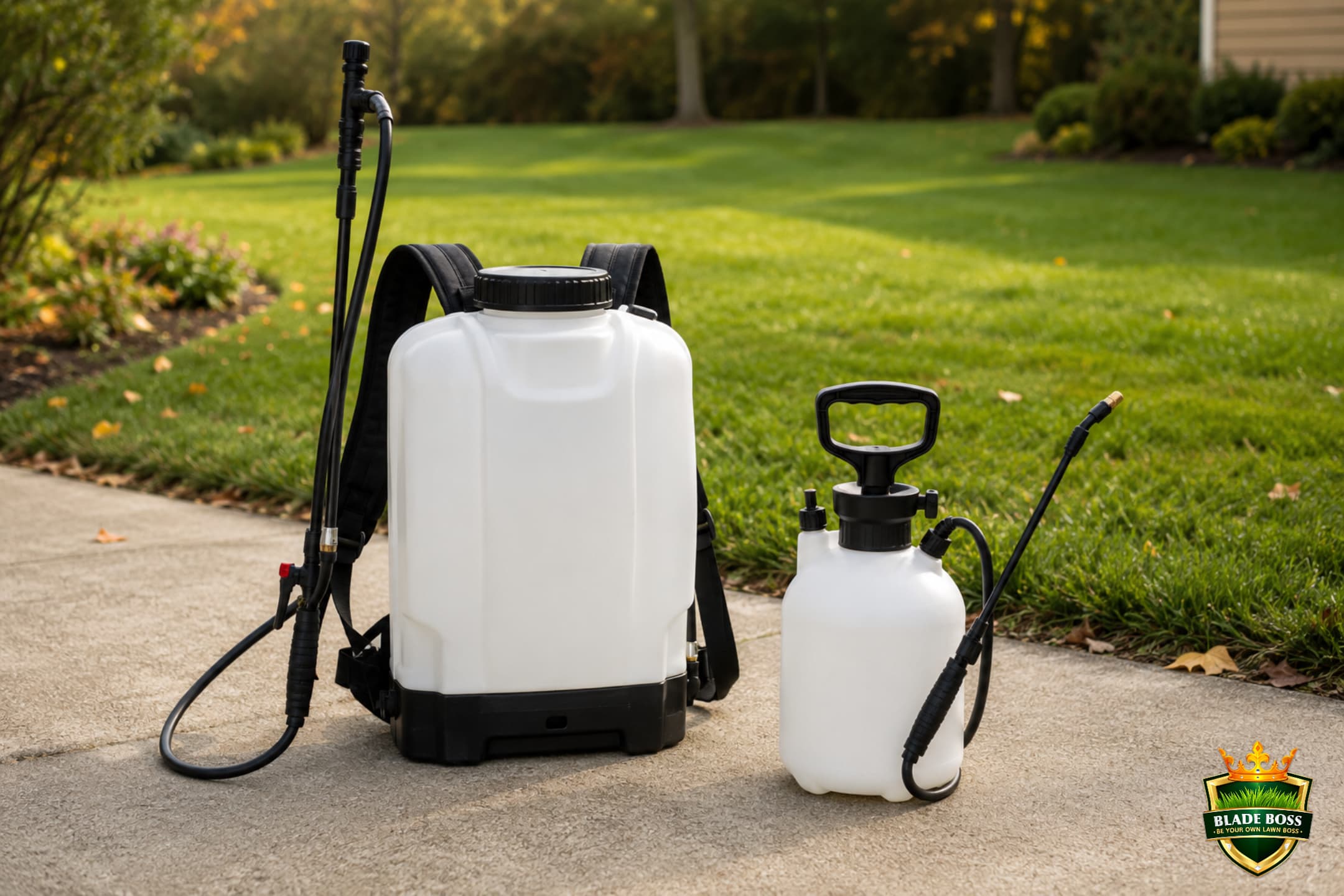
A handheld or 2-gallon pump sprayer is perfect for spot-treating: a few dandelions here, a clover patch there. A backpack sprayer earns its keep the moment you have a whole lawn to cover, because pumping a handheld for 4 gallons is misery and the backpack holds pressure evenly, which keeps your rate consistent.
Mix It Right (Surfactant Is Not Optional)
Measure the herbicide by the label rate, in ounces per gallon, using a dedicated measuring cup. Do not freehand it. More product does not kill weeds faster, it just costs more and raises your odds of burning the lawn. Then add the surfactant.
Surfactant is what lets the spray stick to and penetrate a waxy weed leaf instead of beading up and rolling off. With some products it is mandatory: Drive XLR8 (quinclorac) will barely touch crabgrass without a methylated seed oil, and Tenacity needs a non-ionic surfactant to work at all. Check your label. If it calls for one, it is not a suggestion.

Wait for the Right Window
Timing is at least half the battle. The right product on the wrong day gives you a fraction of the kill. You want the weed actively growing so it pulls the herbicide down into its roots, calm air so nothing drifts, and moderate temperature so the chemical does not volatilize.
The rules: wind under 10 mph, air temp roughly 60 to 85 degrees, and no rain for at least 24 hours after (check the label, some need 6, some need 48). For perennial broadleaf weeds, fall is the number one window, because the plant is hauling carbohydrates down to its roots for winter and drags the herbicide right along with them.
Spray Technique: Low, Slow, and Coarse
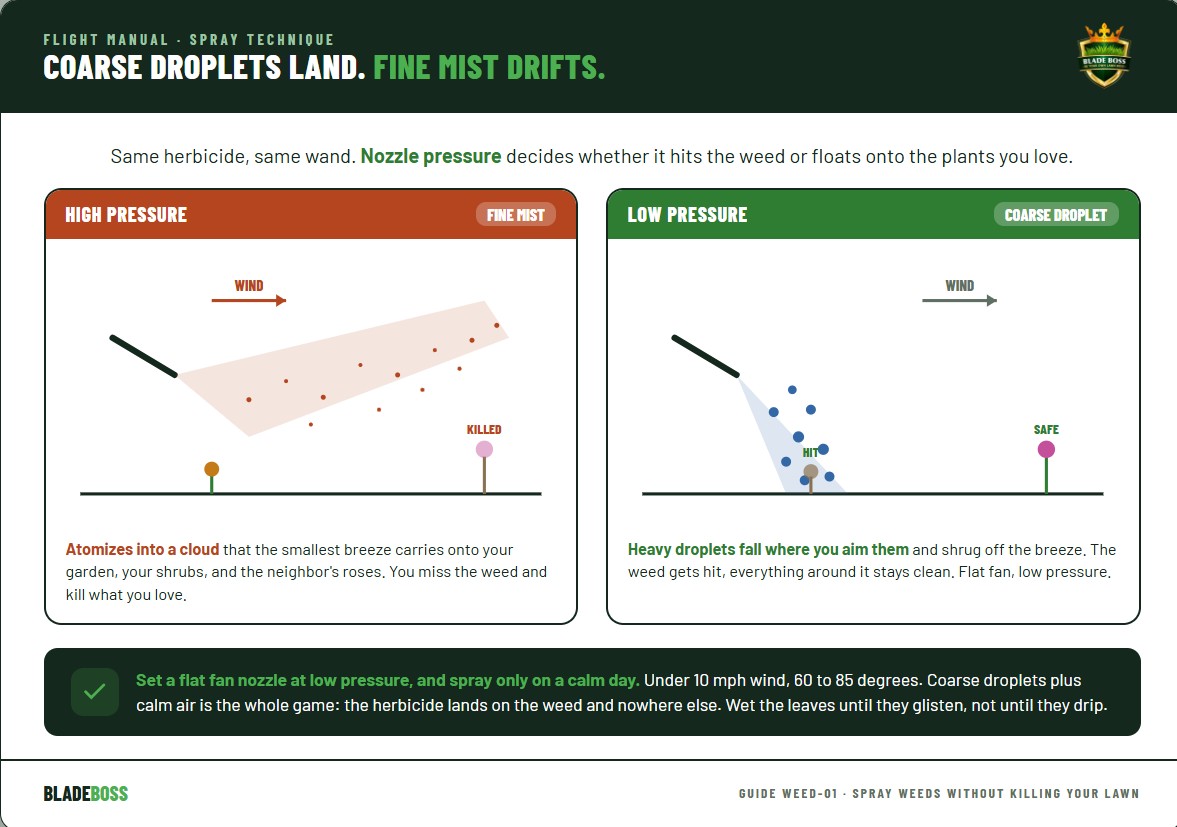
Set the nozzle to a flat fan pattern at low pressure. High pressure atomizes the spray into a fine mist that catches the slightest breeze and drifts onto your garden, your neighbor's roses, and your own ornamentals. Low pressure makes coarse, heavy droplets that fall where you aim them.
For spot-treating, walk up to each weed and wet the leaves until they glisten, not until they drip. Runoff is wasted herbicide and lawn damage. For a blanket application across a weedy lawn, hold the wand a steady height, walk a steady pace, and overlap each pass slightly, exactly like running a spreader. Consistent speed is consistent rate.
Clean Up: Triple-Rinse and Wait
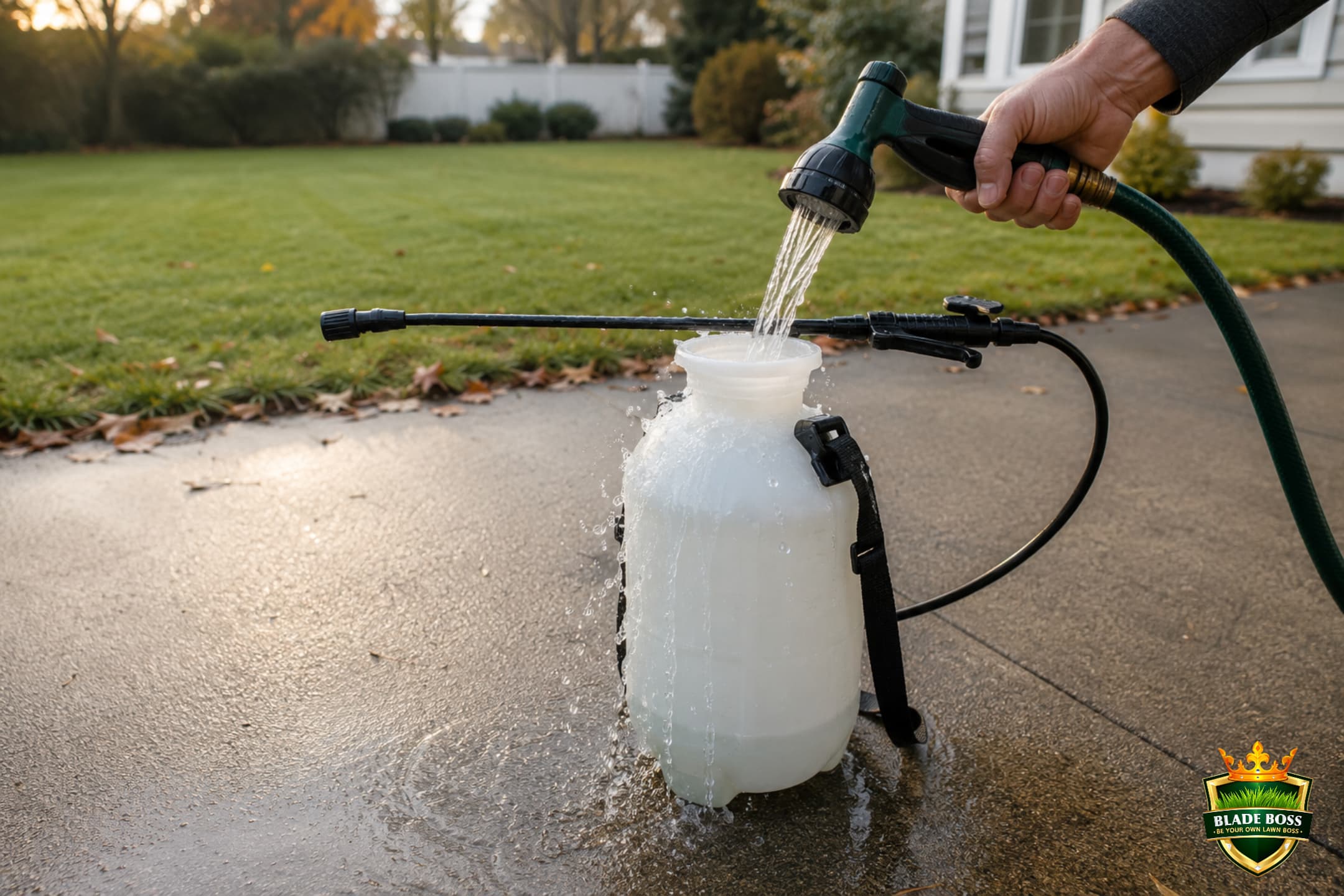
The second you finish, triple-rinse the sprayer: fill with clean water, pump it through the wand into a weedy area or the labeled disposal spot, and repeat three times. Herbicide residue dries into the tank, clogs the nozzle, and contaminates whatever you spray next. A two-minute rinse now saves the sprayer and the next job.
Then leave the lawn alone. Keep kids and pets off until it is fully dry, at least a couple of hours, longer if the label says so. Do not mow for a few days before or after: the weed needs its leaf surface intact to absorb the herbicide and pull it to the roots, and mowing removes exactly that. Give it that time and the kill is far more complete.
Time Your Spray With the Weather Hub
Herbicide is a timing game, and the timer is live weather. The Weather Hub tracks soil temperature, growing degree days, wind, and the rain forecast for your exact ZIP code, so you know the moment a spray window opens instead of guessing off a calendar. Spray on the right day and the same bottle works twice as well.
Open the Weather Hub →The Spray Window and Mixing Reference
Members get the printable spray conditions card, the herbicide-by-weed selector, the surfactant requirement table, and the tank-mixing order that keeps your spray from gelling in the tank.
Open this with a free account →Abort Criteria - Common Mistakes
Mission Complete. Now Fly the Plan.
The product is only half the battle, and honestly the easier half. The kill comes from the right day, the right rate, and the right technique: calm air, moderate heat, a coarse low-pressure fan, and the surfactant the label demands. Nail the timing and everything else gets easier, so let the Weather Hub tell you the exact day your spray window opens instead of guessing at it.
Crew Questions - FAQ
Will weed killer kill my grass too?
Only if you use the wrong kind. Selective herbicides kill broadleaf weeds like dandelions and clover while leaving your grass unharmed, because they target broadleaf plants and spare grasses. Non-selective herbicides, meaning glyphosate or Roundup, kill everything green including your lawn, leaving a dead brown patch. Always confirm the product is selective and labeled safe for lawns before you spray it on turf.
Can I use Roundup on my lawn?
No, not if you want to keep the lawn. Roundup is glyphosate, a non-selective herbicide that kills every green plant it touches, grass included. It leaves a dead footprint exactly where you sprayed, and it will not grow back until you reseed. Roundup belongs on driveways, in beds, and during full lawn renovations, never on turf you intend to keep.
What temperature is too hot to spray weeds?
Above roughly 85 degrees Fahrenheit. In high heat, herbicides like 2,4-D and dicamba can volatilize, turning into a vapor that drifts off target and damages nearby plants, and the heat stresses your lawn on top of it. Spray when temperatures are between about 60 and 85 degrees, on a calm day with wind under 10 mph, and with no rain expected for at least 24 hours.
Do I really need a surfactant with weed killer?
With many products, yes, and with some it is mandatory. A surfactant lets the spray stick to and penetrate the waxy surface of a weed leaf instead of beading up and rolling off. Quinclorac (Drive XLR8) will barely touch crabgrass without a methylated seed oil, and Tenacity needs a non-ionic surfactant to work at all. Always check your specific product label.
When is the best time of year to spray broadleaf weeds?
Fall, roughly late September through October in the Northeast, is the number one window. During fall, perennial weeds transport carbohydrates down to their roots for winter storage, and a systemic herbicide gets pulled down with them for a much more complete root kill. Spring, around April 15 through May 15, is the secondary window, but root kill is less complete because the plant is moving resources upward for new growth.
How long after spraying can kids and pets go on the lawn?
Wait until the treated area is completely dry, which is usually a couple of hours, and follow any longer re-entry interval printed on the product label. It is also best not to mow for a few days before or after spraying, since the weed needs its leaf surface intact to absorb the herbicide and carry it down to the roots.