
GUIDE WEED-04 · REV C
How to Get Rid of POA (Annual Bluegrass)
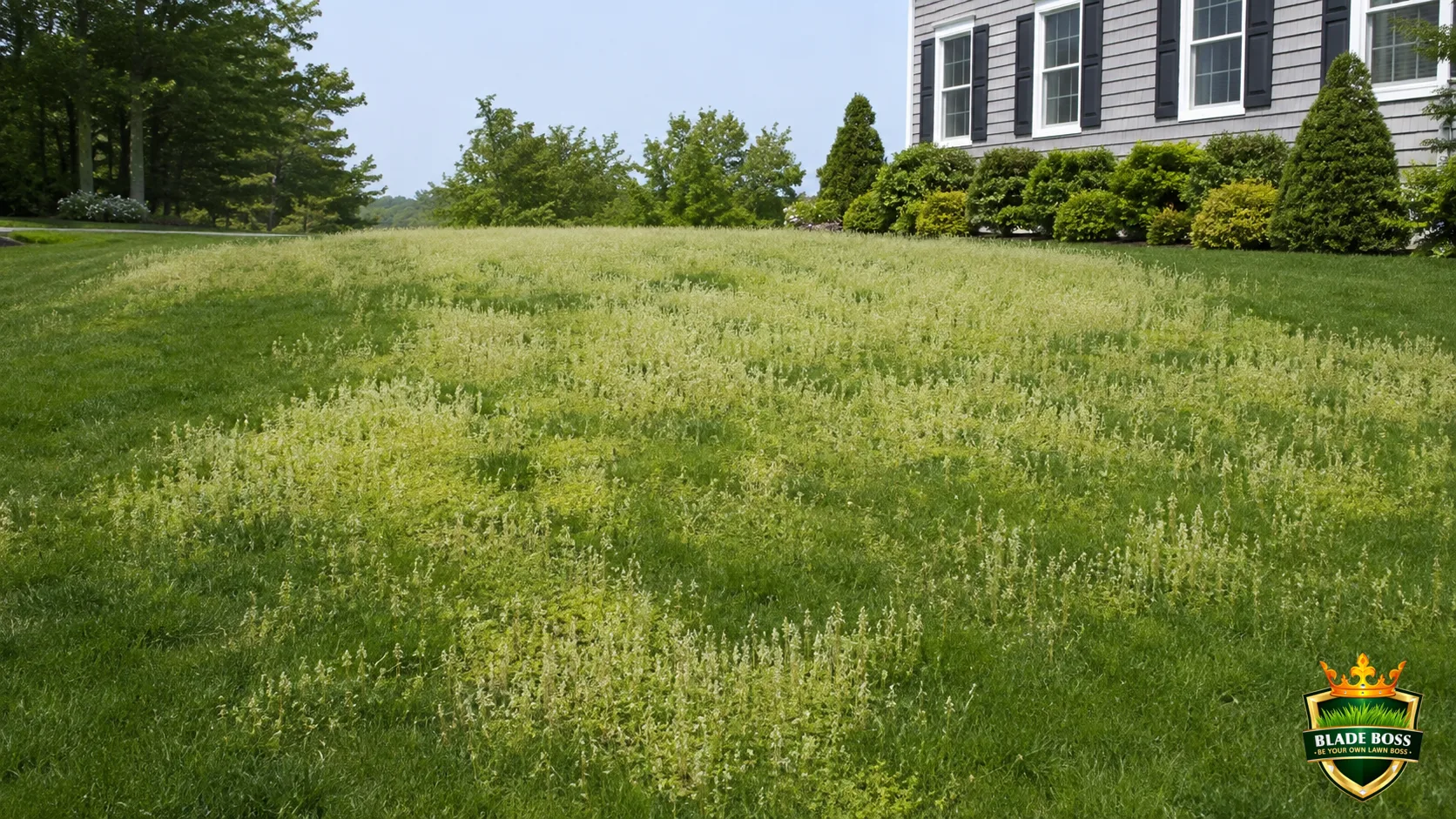
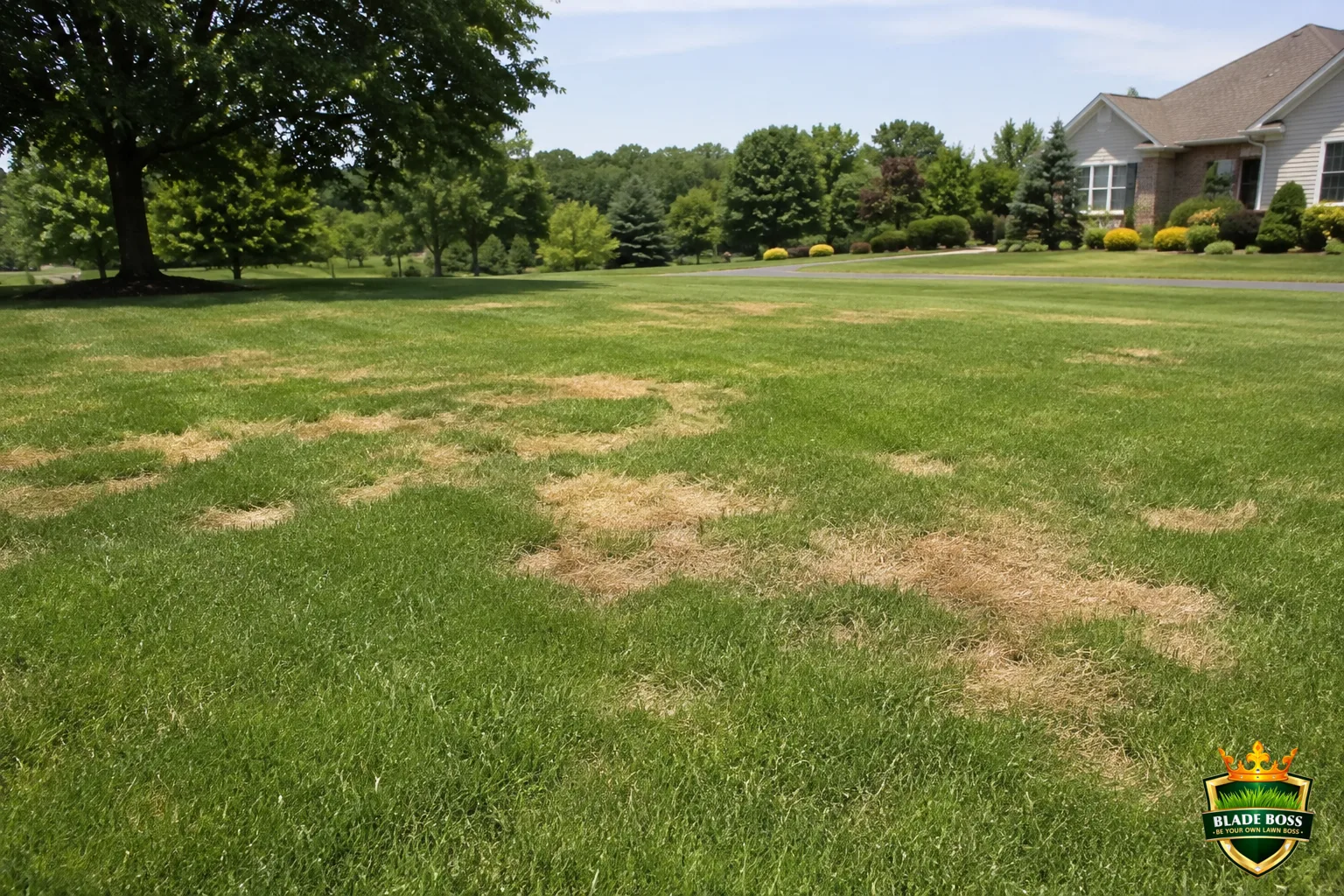
Poa annua (annual bluegrass) is that patchy, light-green weed grass that erupts with ugly white seedheads in spring, then dies out in summer and leaves bare spots. The hard truth: you cannot easily kill it in a cool-season lawn, because it is a grass too. The real war against POA is won by prevention, and prevention is all about timing. This guide covers both: handling the POA you have now, and building a year-long pre-emergent barrier to stop it coming back, on a schedule that is actually legal on Long Island (most are not).
Pre-Flight Checklist - What You Need
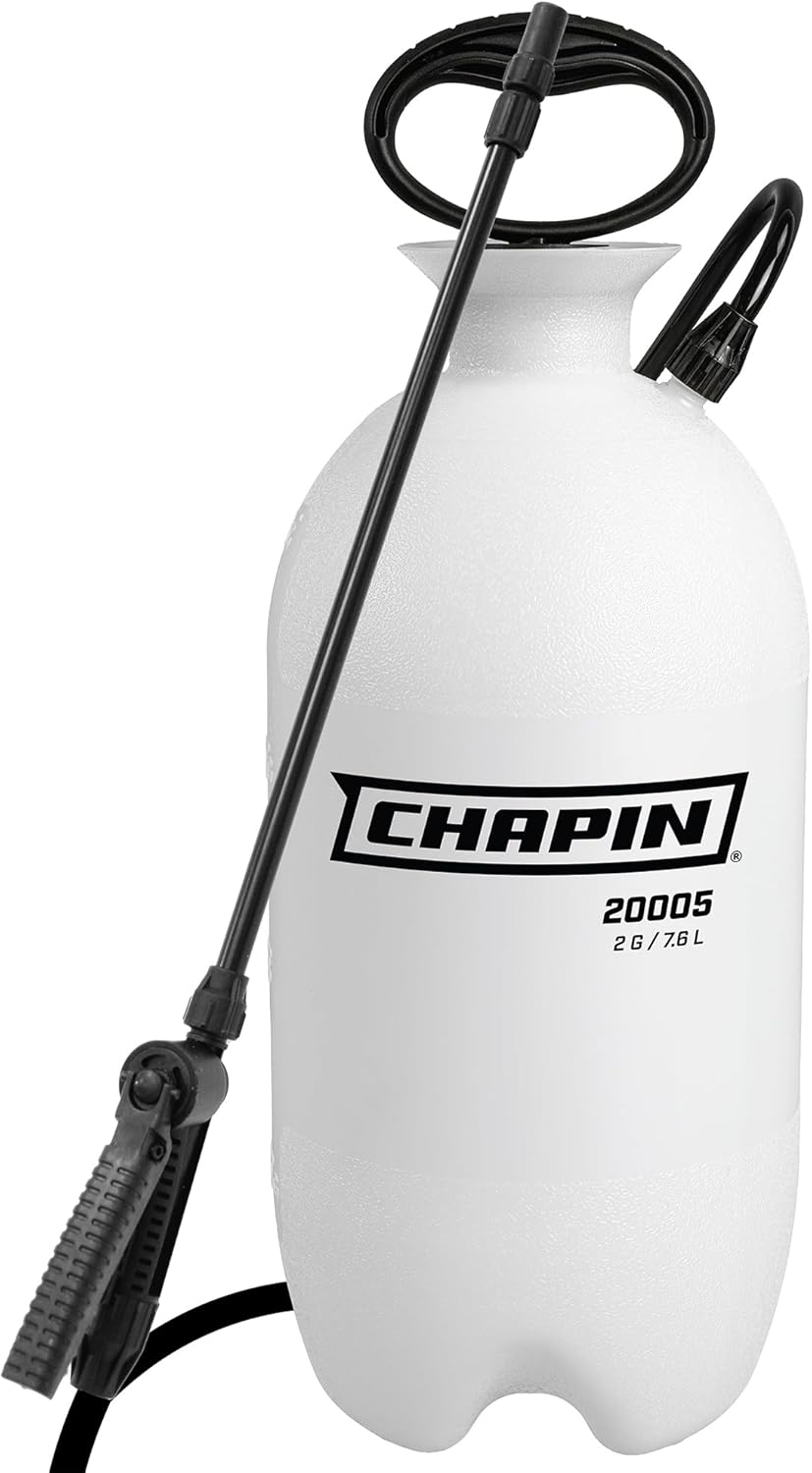
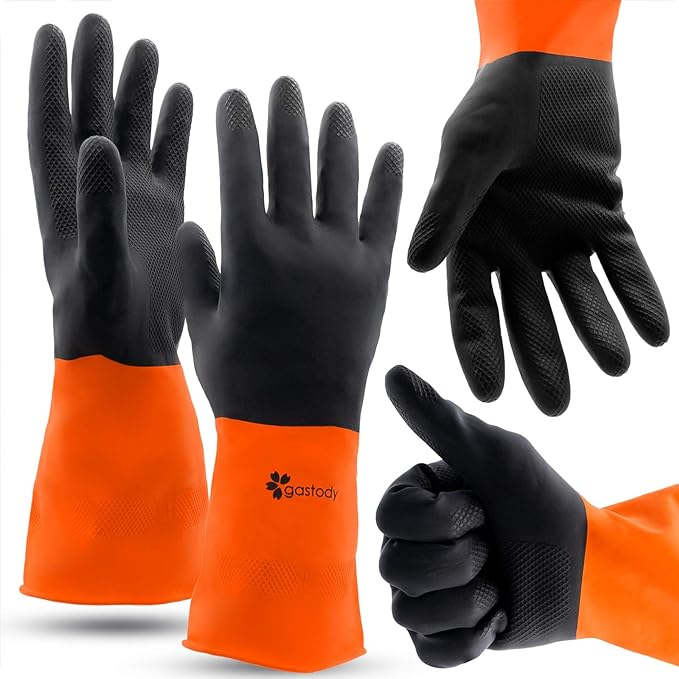
As an Amazon Associate, Blade Boss earns from qualifying purchases. It never costs you a penny more.
Rules of Engagement (ROE's)
The Flight Plan - Step by Step
Identify POA (Annual Bluegrass)
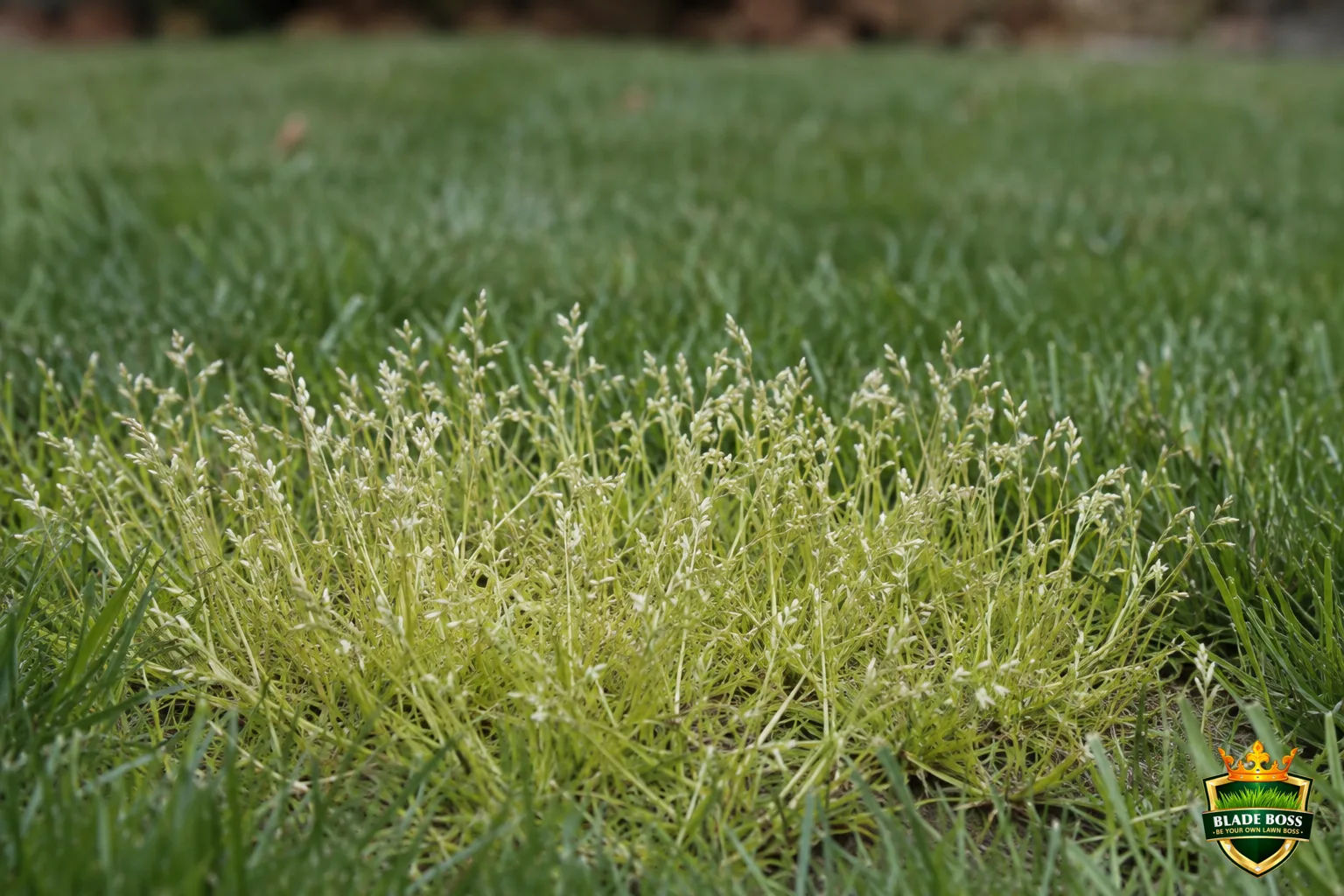
Make sure you are actually looking at POA, because it hides in plain sight as just another patch of grass until it gives itself away. Annual bluegrass has a few clear tells that separate it from your lawn.
- Lighter, yellow-green color: it stands out as brighter and paler than the darker green of your lawn, especially in patches.
- Ugly white seedheads: the dead giveaway. In spring, POA throws up a mass of whitish seedheads, even when mowed low, giving the lawn a speckled, unkempt look.
- Weak, shallow roots: it pulls up easily and forms soft, spongy clumps.
- Dies out in summer: as heat and drought arrive, POA browns and dies, leaving bare or thin spots right when you want your lawn to look its best.
Know the Enemy: Why Timing Beats Everything
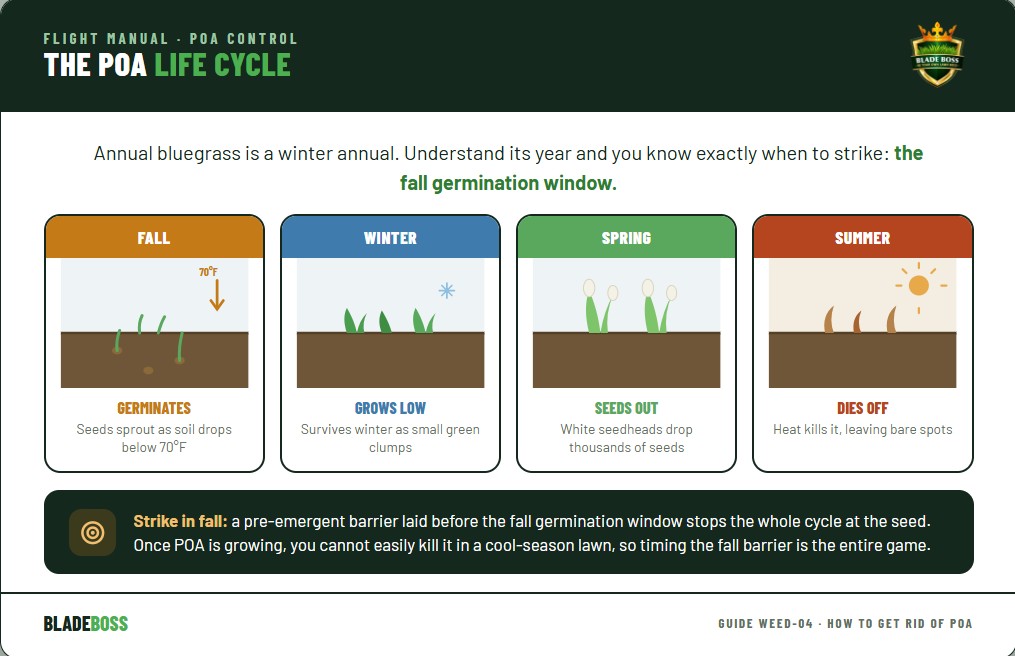
POA is beatable, but only if you understand its life cycle, because that is what tells you when to strike. Annual bluegrass is a winter annual: it mostly sprouts from seed in the fall, grows through winter and spring, explodes with seedheads, then dies in summer, dropping thousands of new seeds that wait for next fall. That cycle is the whole key.
- Fall is the main germination window: the bulk of POA germinates in fall as soil temperatures drop below about 70°F. That is your primary target.
- It reseeds prolifically: each plant drops a huge amount of seed before it dies, which is why POA comes back year after year if you do nothing.
- Prevention beats cure: because you cannot easily kill it once it is growing in cool-season turf, stopping the seed from germinating is the winning move.
- Timing is everything: a pre-emergent barrier only works if it is down and active BEFORE the seeds germinate. A day late is a season lost.
Deal With the POA You Already Have
Time for honesty that most lawn sites avoid: there is no cheap, easy way to selectively kill POA in a cool-season lawn. Annual bluegrass is a grass, chemically so similar to your KBG, rye, and fescue that most sprays that hurt it hurt your good grass too. You do have a short ladder of selective options, but they run from gentle-but-weak to strong-but-risky, and none of them is a one-and-done. For most homeowners the realistic playbook is still cultural control plus prevention, with a selective herbicide as a targeted assist. Here is that ladder, honestly.
- Let summer do the work: POA is a winter annual, so it naturally browns and dies in summer heat. If it is spring and you can tolerate the look for a few weeks, nature removes it for you, and your job is just to prevent the next generation.
- Spot-treat heavy patches: for bad clumps, you can spot-spray with a non-selective herbicide, which kills everything it touches including your grass, then rake out the dead material and reseed once it is safe.
- Keep your lawn thick and healthy: dense, well-fed turf mowed at the proper height crowds out POA and gives new seed less room and light to establish.
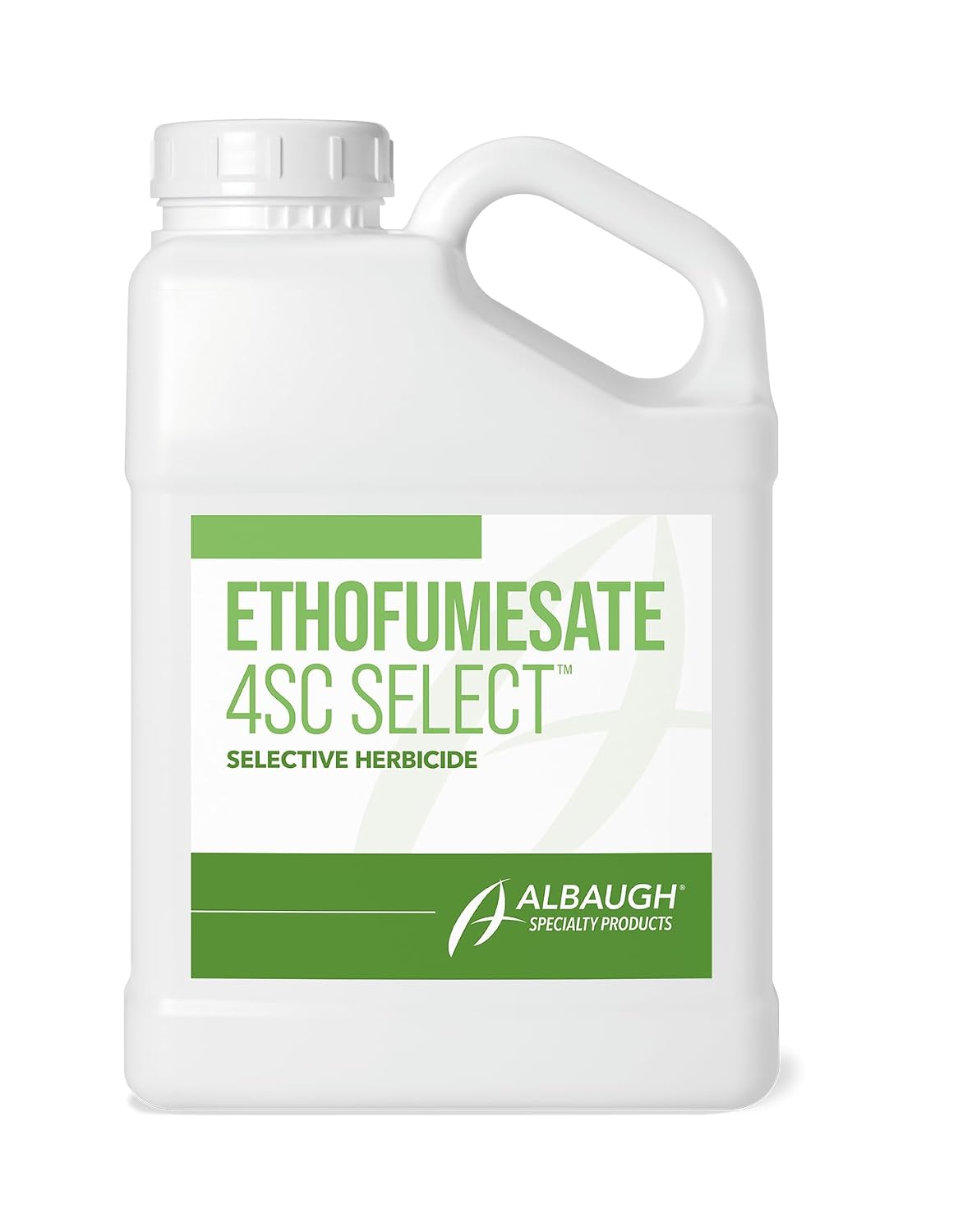
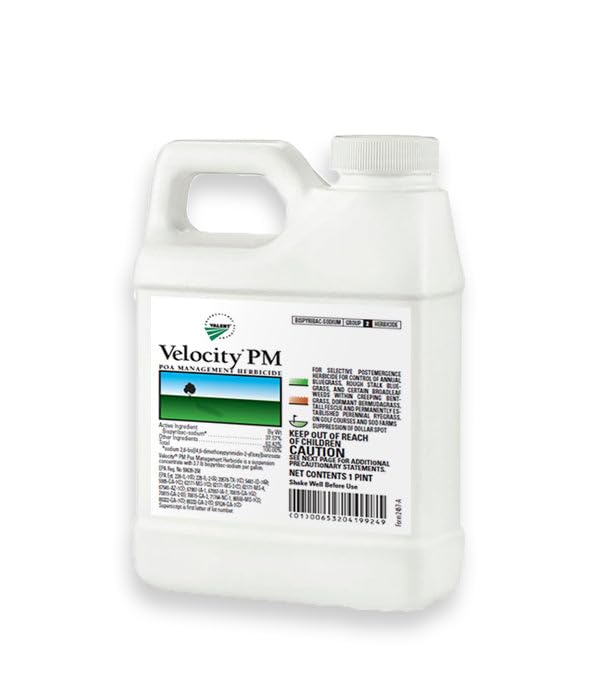
If you want to chemically target the POA you already have, here are your selective options, from gentlest and safest to strongest and riskiest. All three are legal for a New York homeowner, so the real choice comes down to your grass type, especially whether you have Kentucky bluegrass, and how much fussy timing you are willing to manage.
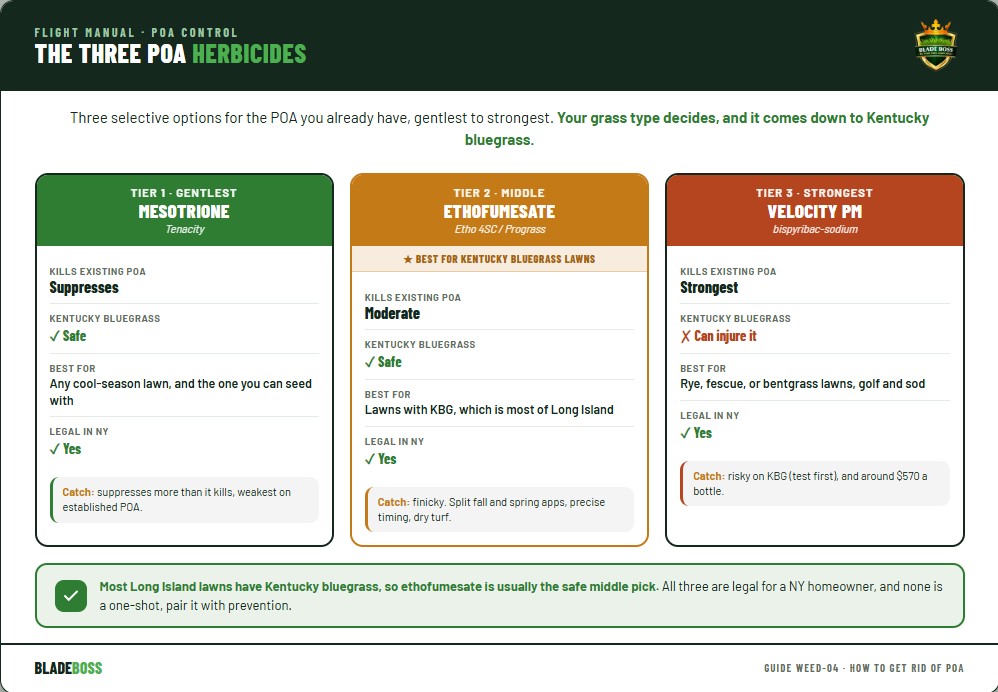
• The pick for a Kentucky bluegrass lawn, it is labeled safe on KBG where Velocity is not.
• Has both pre-emergent and post-emergent activity on POA.
• Finicky: split fall and spring apps, on dry turf, at low water volume.
• A season-long program, not a one-shot. Confirm it is registered in New York before buying.
• Labeled for tall fescue, fine fescue, ryegrass, and bentgrass, not Kentucky bluegrass.
• The label warns it can harm or kill KBG, so test a small area first.
• Most Long Island lawns include KBG, so on a KBG-dominant lawn it can wreck your good grass along with the POA.
• A clean fit only for fescue, rye, or bentgrass lawns. When in doubt, lean on prevention.
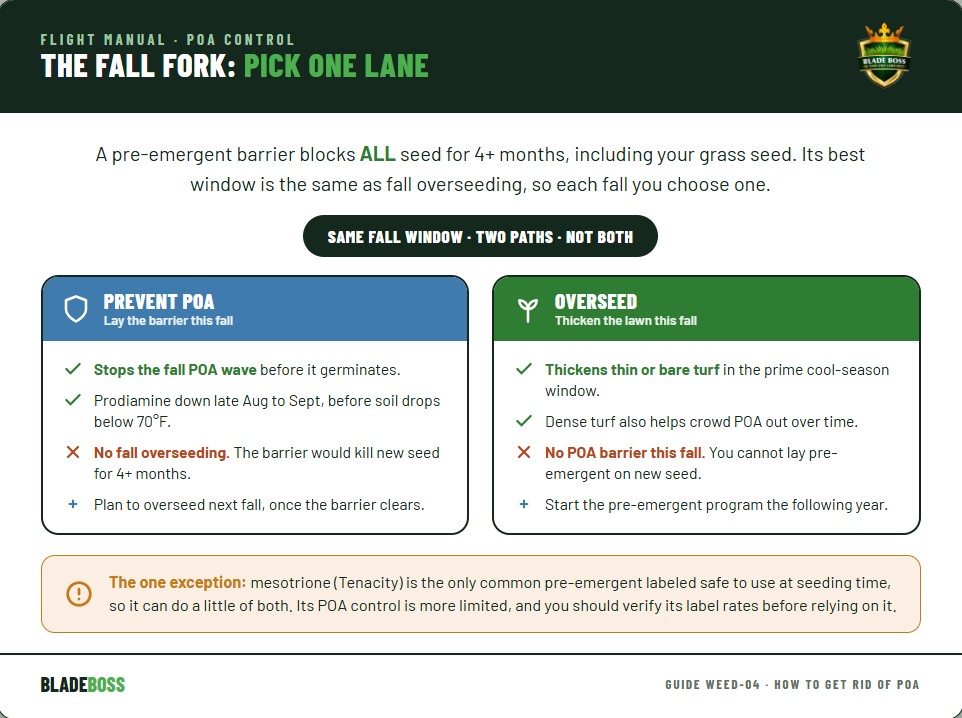
The Fall Fork: Prevent OR Overseed (Not Both)
This is the decision that trips up almost everyone, so slow down here. A pre-emergent herbicide creates a barrier that stops ALL seeds from germinating, and it cannot tell the difference between POA seed and the grass seed you want to grow. Prodiamine, the backbone of the POA barrier, keeps that barrier active for months and has a reseeding interval of about four months or more.
The problem: the ideal time to lay the fall POA barrier (late August into September) is the exact same window as the best time to overseed a cool-season lawn on Long Island. You cannot do both in the same area the same fall. So you have to choose your priority for this fall.
- Choose PREVENT: lay the fall pre-emergent barrier now to stop POA, and skip fall overseeding. Plan to overseed next fall instead, once the barrier has cleared.
- Choose OVERSEED: overseed this fall to thicken your lawn, and accept that you are not preventing POA this fall. Start the pre-emergent program the following year.
- The one exception: mesotrione (sold as Tenacity) is the only common pre-emergent labeled as safe to use at seeding time, so it is the tool if you must do a little of both, though its POA control is more limited. Verify its label rates separately before using.
Nail the Timing (Soil Temperature and GDD)
A pre-emergent barrier is worthless if it goes down after the seeds have already germinated, so timing is the whole game. Do not go by the calendar alone, because Long Island weather shifts the dates every year. Go by soil temperature and growing degree days (GDD), and use the calendar dates only as a planning framework.
- Fall POA barrier: apply as soil temperatures are dropping toward 70°F, which on Long Island is typically late August into early September. This must be down before the fall POA germination wave.
- Spring barrier: apply as soil warms to about 50°F, or when GDD base 50 (GDD50) reaches about 100, which on Long Island is typically late March into early April. This targets crabgrass and the smaller spring POA flush.
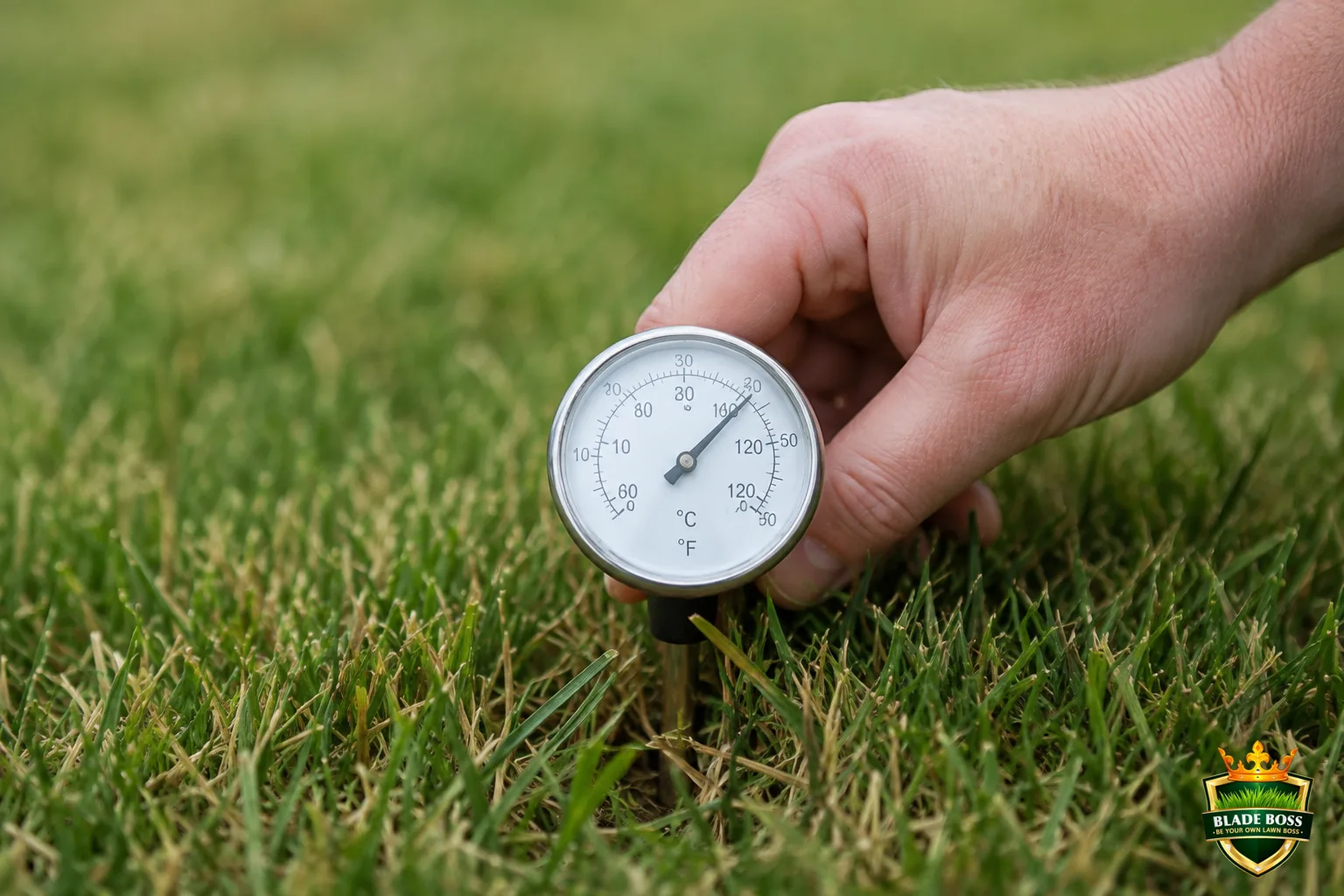
- Measure it: take soil temperature readings at about 4 inches deep in a representative spot (not next to pavement, not in deep shade). A simple soil or meat thermometer works.
- Let the Weather Hub track it for you: the Blade Boss Weather Hub monitors GDD and soil temperature estimates for your exact Long Island location so you can catch the window precisely.
Your POA Prevention Rounds
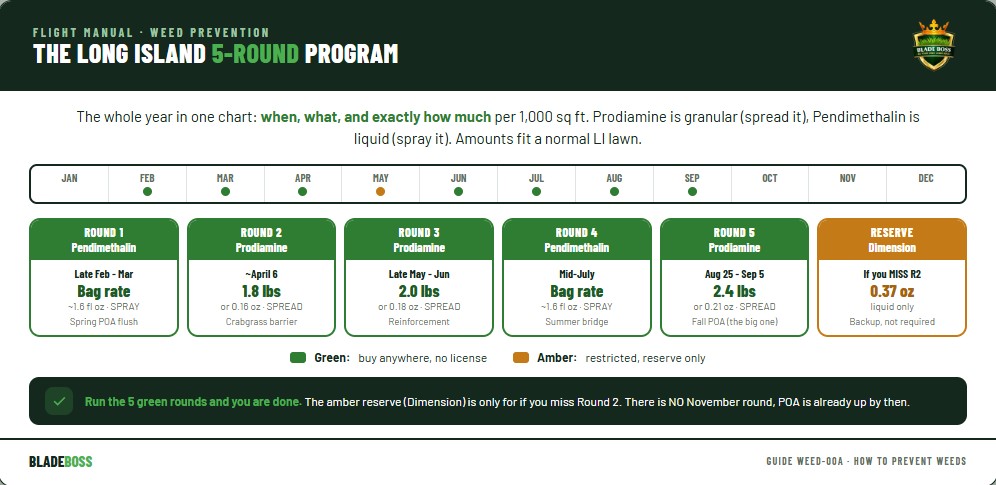
POA prevention is not a standalone schedule, it is two rounds inside the full Long Island 5-round pre-emergent program. Get these two down on time and you stop the vast majority of annual bluegrass before it ever germinates. The complete program (with the crabgrass rounds too) is laid out in how to prevent weeds.
- Round 5, the fall POA barrier (Aug 25 to Sep 5): prodiamine, applied as soil drops toward 70°F. This is THE round for POA, roughly 80% of it germinates in the fall window once soil falls below 70. It is numbered last only because the program starts in late winter, but it is the single most important round for annual bluegrass. Never miss it.
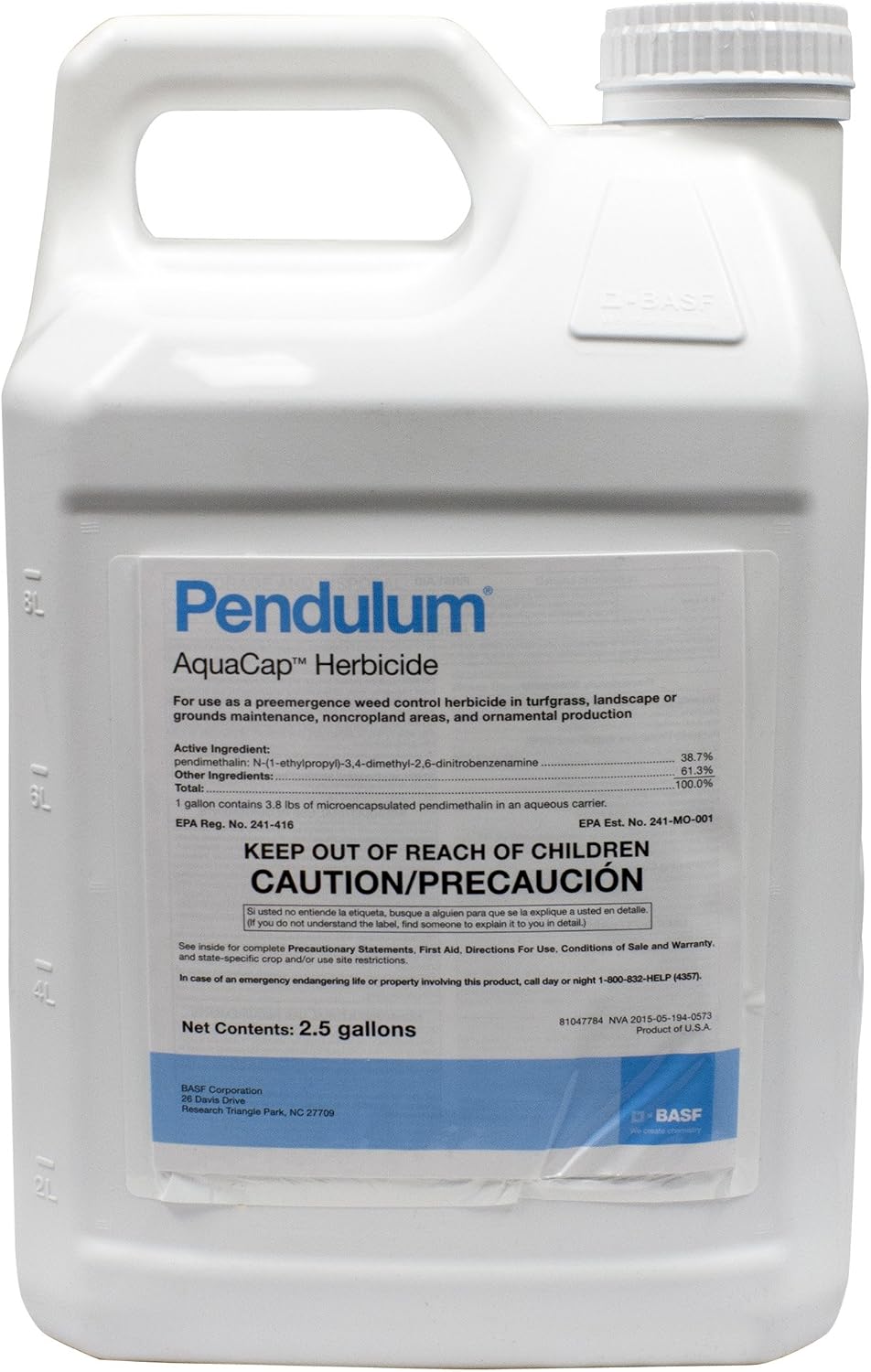
- Round 1, the late-winter bridge (late Feb to early Mar): pendimethalin, which catches the smaller early-spring POA flush. This is the first round of the year, the program starts here in late winter. It uses pendimethalin (its own separate budget), not prodiamine.
- There is no November round: POA germinates in late summer as soil drops below 70°F, so by November it has already sprouted and a barrier does nothing. Fall means late August, not November.
- Dimension is not a POA tool: dithiopyr has zero post-emergent activity on POA and is commercial-applicator-only in New York. It is held in reserve for crabgrass only. Do not build your POA plan around it.
- Match the rate to your grass type: prodiamine's annual cap is 0.42 oz for fine fescue, 0.55 for KBG/rye, and 0.83 for tall fescue per 1,000. See the full program for the exact per-round rates in each lane.
Apply, Water In, and Hold the Barrier
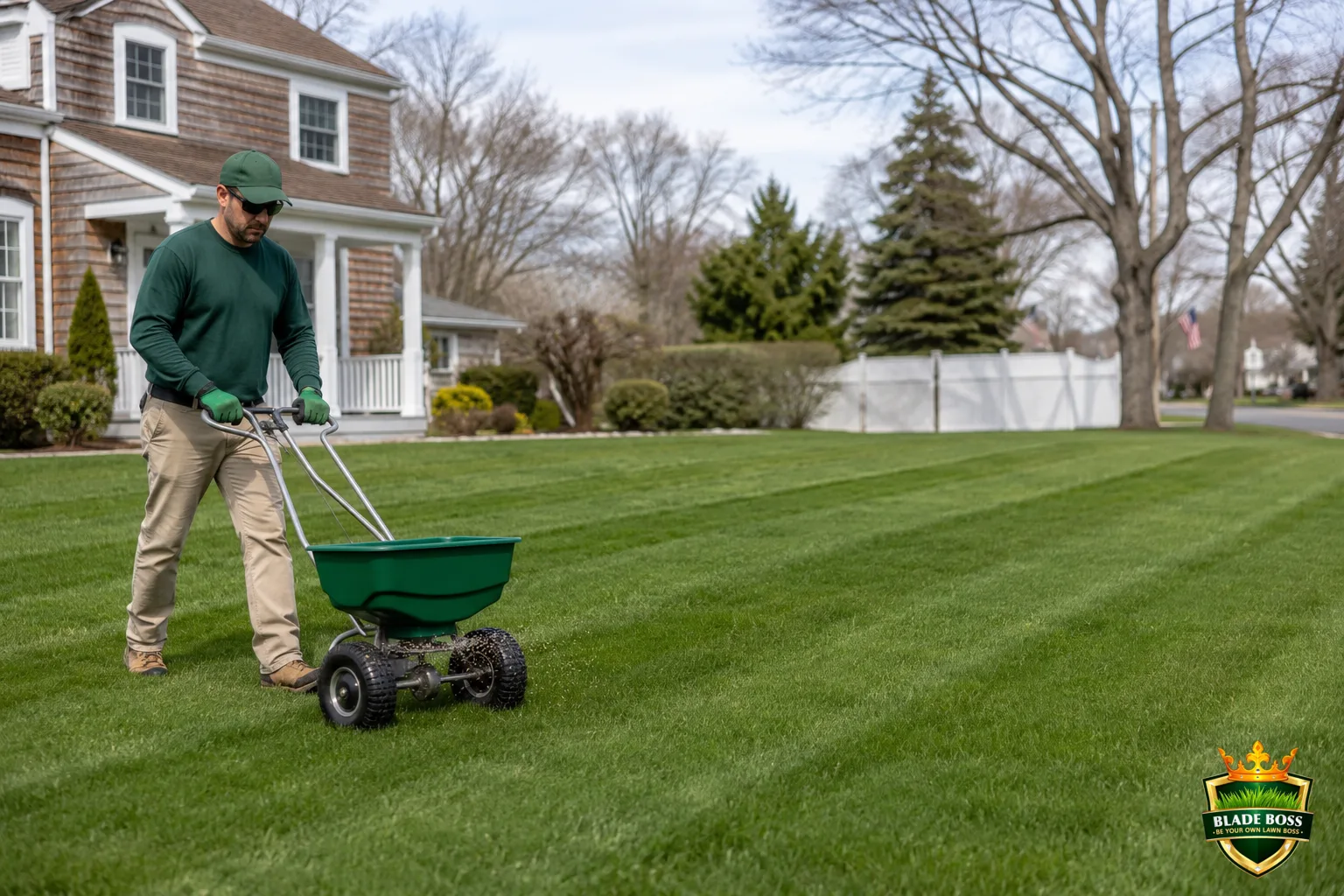
The barrier only works if you apply it evenly, activate it, and then leave it undisturbed. Granular prodiamine on a spreader is the easiest route for beginners, while the sprayable WDG gives more precise rate control. Whichever you use, the follow-through is the same.
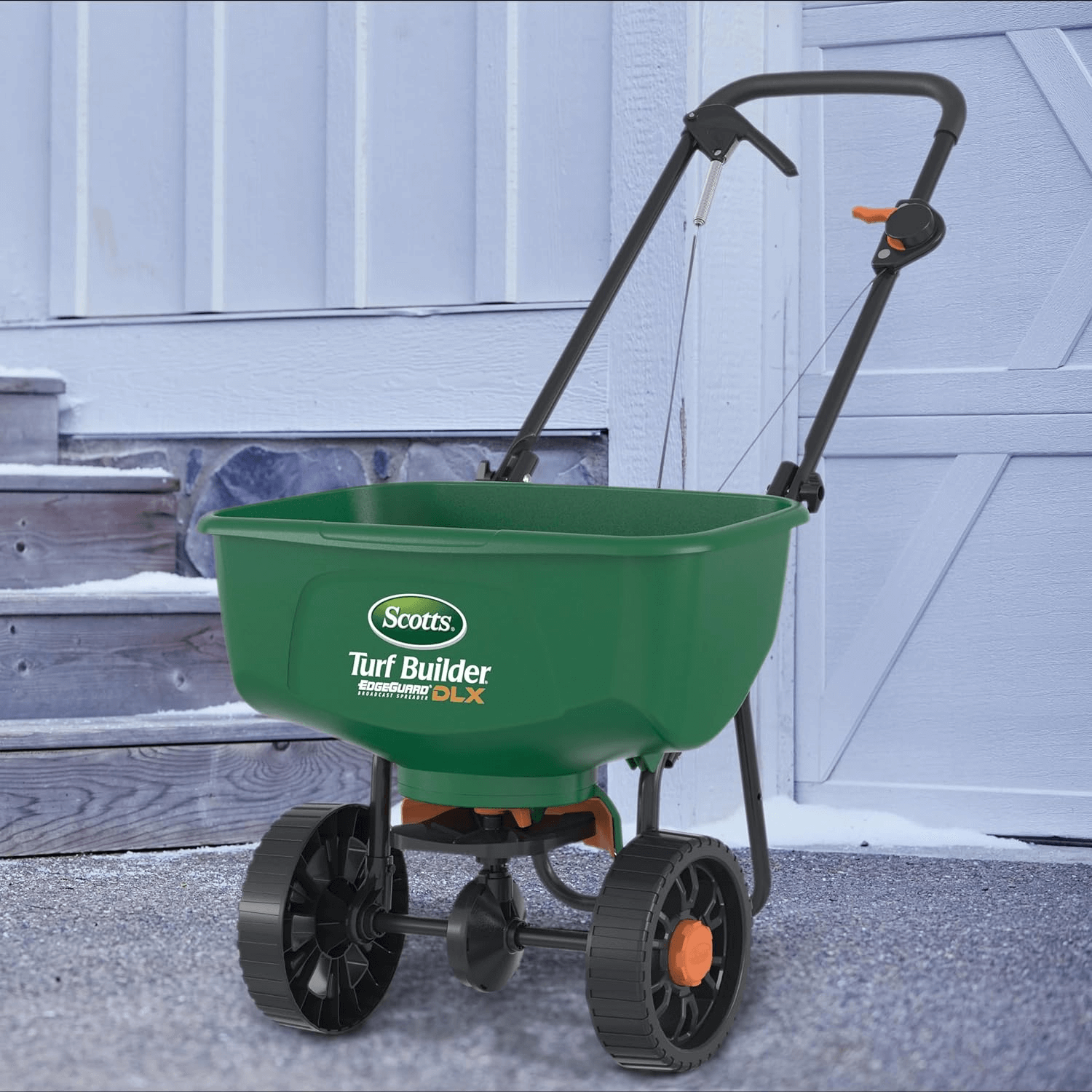
- Spread it evenly: calibrate your spreader and apply in two directions for even coverage. Uneven application leaves gaps POA sneaks through.
- Water it in within 2 to 7 days: apply about half an inch of water to move the herbicide into the top layer of soil and activate the barrier. If rain is coming, let it do the work.
- Do not disturb the barrier: no aeration, dethatching, or hard raking after applying, since breaking the soil surface breaks the chemical barrier and opens the door for POA.
- Stay on schedule: reapply per the program above to keep the barrier active across the season, and remember this is a multi-year commitment to truly beat POA.
The Long Island POA Battle Plan
Members get the full legal schedule in one table, the annual-limit and reseeding-interval reference so you never break the label, and the season-by-season checklist to beat POA over the multi-year long haul.
Open this with a free account →Abort Criteria - Common Mistakes
Mission Complete. Now Fly the Plan.
POA feels unbeatable because people fight it wrong, hunting for a spray to kill a grass that is too much like their own lawn. Flip the strategy: tolerate or spot-treat what is here, let summer heat finish it, and pour your effort into a properly timed fall pre-emergent barrier that stops the next generation before it germinates. Time it by soil temperature, water it in, respect Long Island's legal limits, and choose prevention or overseeding each fall rather than fighting both. Do that year after year and POA fades out. Track your exact timing window with the Weather Hub, pair this with your crabgrass plan, and when it is an overseeding year, follow how to overseed your lawn.
Crew Questions - FAQ
How do I get rid of POA (annual bluegrass) in my lawn?
The honest answer is that you win against POA by preventing it, not killing it. In a cool-season lawn (KBG, rye, fescue) there is no easy selective herbicide that kills annual bluegrass without also harming your good grass, because POA is a grass too and chemically very similar. So the strategy is two-part. First, deal with existing POA by letting summer heat kill it (it is a winter annual that dies in the heat), spot-treating heavy patches with a non-selective herbicide and reseeding, or simply keeping your lawn thick to crowd it out. Second, and most importantly, prevent the next generation with a properly timed pre-emergent barrier applied in the fall before POA seeds germinate. Prevention is where all the leverage is.
Can you kill existing POA in a cool-season lawn?
Yes, but with real limits, and it is more nuanced than most sites admit. You actually have a short ladder of selective options, gentlest to strongest. Mesotrione (Tenacity) is the safest and the one you can seed with, but it suppresses POA more than it kills it. Ethofumesate is the middle option and the best choice for a Kentucky bluegrass lawn, because it is labeled safe on KBG, though it is finicky and needs split applications in fall and spring. And bispyribac-sodium (Velocity PM) is the strongest true selective killer of existing POA; it is residential-labeled, and because the use rate is tiny, one bottle lasts for years. But Velocity carries three catches: it is expensive at around $840 a bottle, it is strictly post-emergent so it does nothing to prevent the next generation and you still need a prodiamine barrier, and critically its label warns it can harm or kill Kentucky bluegrass and requires a small-area test first. All three are legal for a New York homeowner. Since most Long Island cool-season lawns contain some bluegrass, ethofumesate is often the safer chemical bet, with Velocity reserved for rye, fescue, or bentgrass lawns. But the honest bottom line is unchanged: none of these is easy, and prevention with a pre-emergent barrier is where you actually win.
When should I apply pre-emergent for POA on Long Island?
For POA specifically, the critical application is in the fall, because annual bluegrass mostly germinates from seed as soil temperatures drop below about 70 degrees Fahrenheit, which on Long Island is typically late August into early September. The barrier must be down and watered in before that germination wave. A second late-fall or November application extends the barrier through winter. There is also a smaller spring POA flush, which your spring crabgrass barrier (applied as soil warms to about 50 degrees, or GDD base 50 reaches 100, usually late March to early April) helps cover. The key is to time by soil temperature and growing degree days rather than the calendar, since Long Island weather shifts the dates each year.
Why can't I overseed and prevent POA at the same time?
Because a pre-emergent herbicide cannot tell the difference between weed seed and the grass seed you want to grow. It creates a barrier that stops all seeds from germinating, so if you apply it and then overseed, it kills your new grass seed right along with the POA. Prodiamine, the backbone of the POA barrier, keeps that barrier active for months and has a reseeding interval of about four months or more. The catch is that the best time to lay the fall POA barrier (late August into September) is exactly the best time to overseed a cool-season lawn on Long Island. So each fall you must choose one priority: prevent POA with the barrier, or overseed to thicken the lawn. The only common exception is mesotrione (Tenacity), the one pre-emergent labeled as safe to use at seeding time.
How many pre-emergent applications are legal on Long Island?
This surprises people: the real legal maximum on Long Island is four applications per year for a cool-season lawn, not the five or six that many online programs suggest. The limits come from the active ingredients. Prodiamine (Barricade) tops out at about 0.55 ounces per 1,000 square feet per year for cool-season turf, which works out to roughly three split applications at 0.18 ounces each. Dithiopyr (Dimension) is far more restricted here: Nassau and Suffolk counties carry a special label limit of about one pint per year, equal to roughly 0.37 ounces per 1,000 square feet, which is essentially a single half-rate application. So a legal maximum program is three prodiamine applications plus one Dimension application, four total. A fifth would require a third active ingredient with its own restrictions. Exceeding these limits is both illegal and pointless.
What is the best pre-emergent for POA on Long Island?
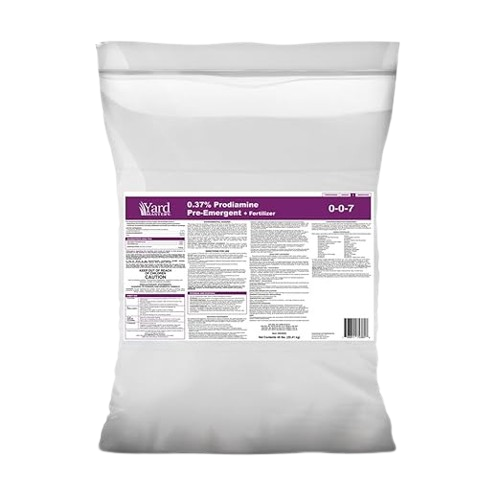
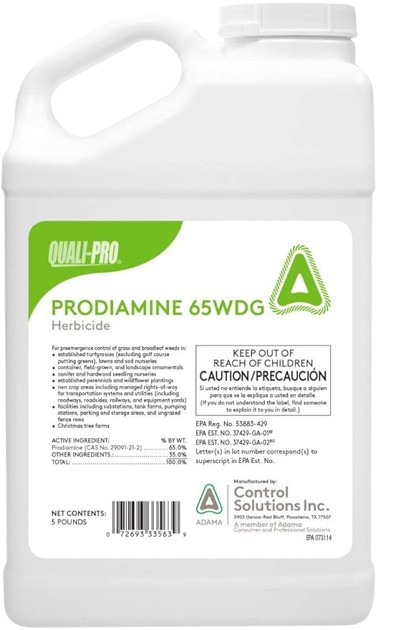
Prodiamine is the backbone of a Long Island POA program. It offers long residual activity, works well in the split-application approach that sandy Long Island soils require, and is available in an easy granular form (such as a 0-0-7 product, which also avoids conflicting with Suffolk's winter fertilizer ban) or a precise sprayable WDG. Dithiopyr (Dimension) is a useful second active ingredient because it gives you a separate annual budget, but on Long Island the Nassau and Suffolk restriction limits it to roughly one half-rate application per year, so it functions as a spring supplement rather than a co-equal partner. Build your program around prodiamine for the fall POA barrier and spring crabgrass barrier, and use your single allowed Dimension application to refresh the barrier in May.
Does POA come back every year?
Yes, if you do not prevent it, which is exactly why POA frustrates so many homeowners. Annual bluegrass is a prolific reseeder: before each plant dies in summer, it drops a large amount of seed into the soil, and that seed bank waits to germinate the following fall. So killing or removing this year's plants does nothing about next year's crop. The only way to steadily reduce POA is to interrupt that cycle with a properly timed fall pre-emergent barrier, year after year, so fewer and fewer seeds successfully germinate over time. This is why beating POA is a multi-year commitment rather than a one-season fix. Consistency with the fall barrier, combined with a thick, healthy lawn that resists invasion, is what wins in the long run.
Is ethofumesate or Velocity PM better for killing POA?
It depends on your grass type, and the deciding factor is Kentucky bluegrass. Velocity PM (bispyribac-sodium) is the stronger, more consistent killer of existing POA, but its label warns it can severely injure Kentucky bluegrass, so it is really meant for perennial ryegrass, tall fescue, and creeping bentgrass, the grasses of golf courses and sod farms. Ethofumesate is labeled safe on Kentucky bluegrass as well as ryegrass and fescue, so for the typical Long Island home lawn, which usually contains some bluegrass, ethofumesate is the safer choice even though it is more finicky and needs split fall and spring applications. Put simply: for a bluegrass-containing lawn, lead with ethofumesate; for a pure ryegrass, fescue, or bentgrass lawn, Velocity PM is more effective. Both are legal for a New York homeowner, and neither is a one-application fix, so pair either one with a pre-emergent prevention program for lasting results.