
GUIDE WEED-02 · REV A
How to Kill Crabgrass in Your Lawn
Crabgrass is the low, spreading, light-green weed that fans out like a splayed hand and takes over by mid-summer. Once it is up and growing, pulling it barely helps and most hose-end sprays disappoint. The tool that actually works, even on mature crabgrass, is a post-emergent called quinclorac (sold as Drive XLR8) mixed with a surfactant. This is a herbicide, so we are going to do it carefully: right rate, right timing, right protection. Follow this and you can knock out crabgrass without hurting your lawn or yourself.
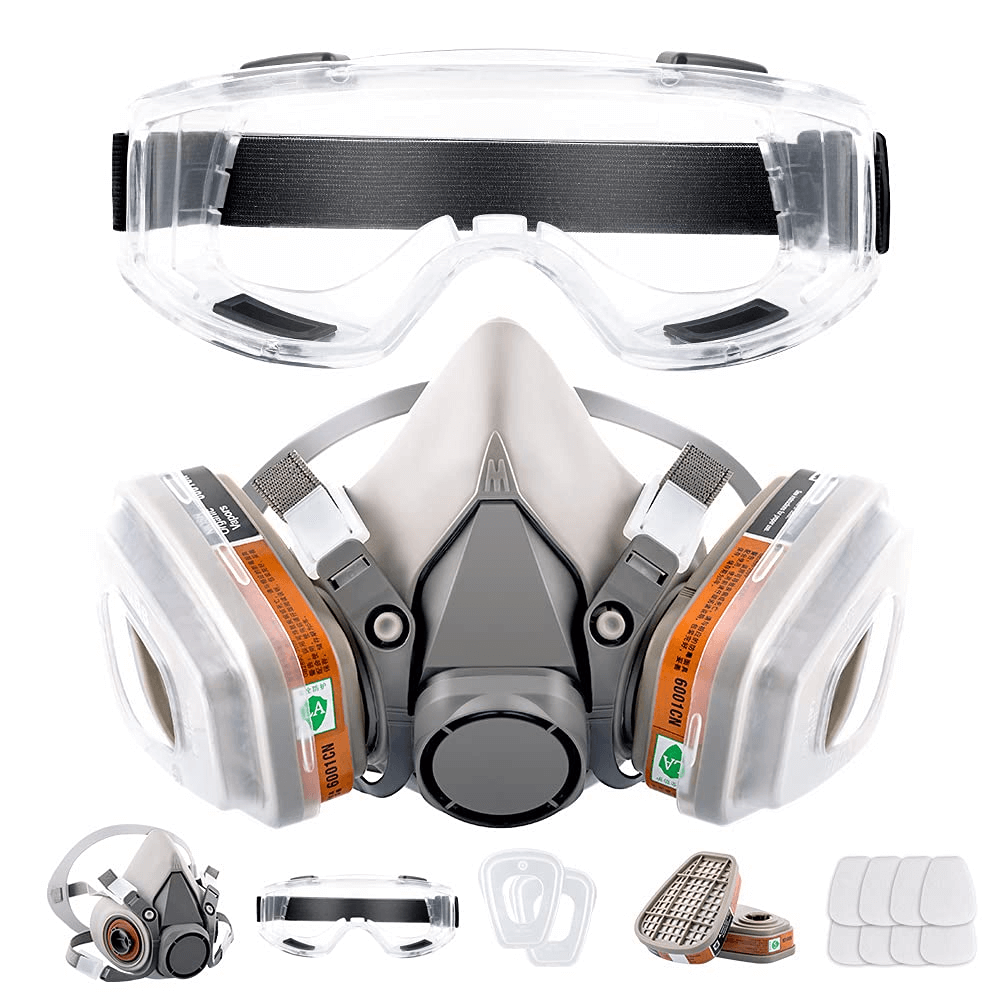
Pre-Flight Checklist - What You Need

As an Amazon Associate, Blade Boss earns from qualifying purchases. It never costs you a penny more.
Rules of Engagement (ROE's)
The Flight Plan - Step by Step
Confirm It Is Crabgrass and Time It Right
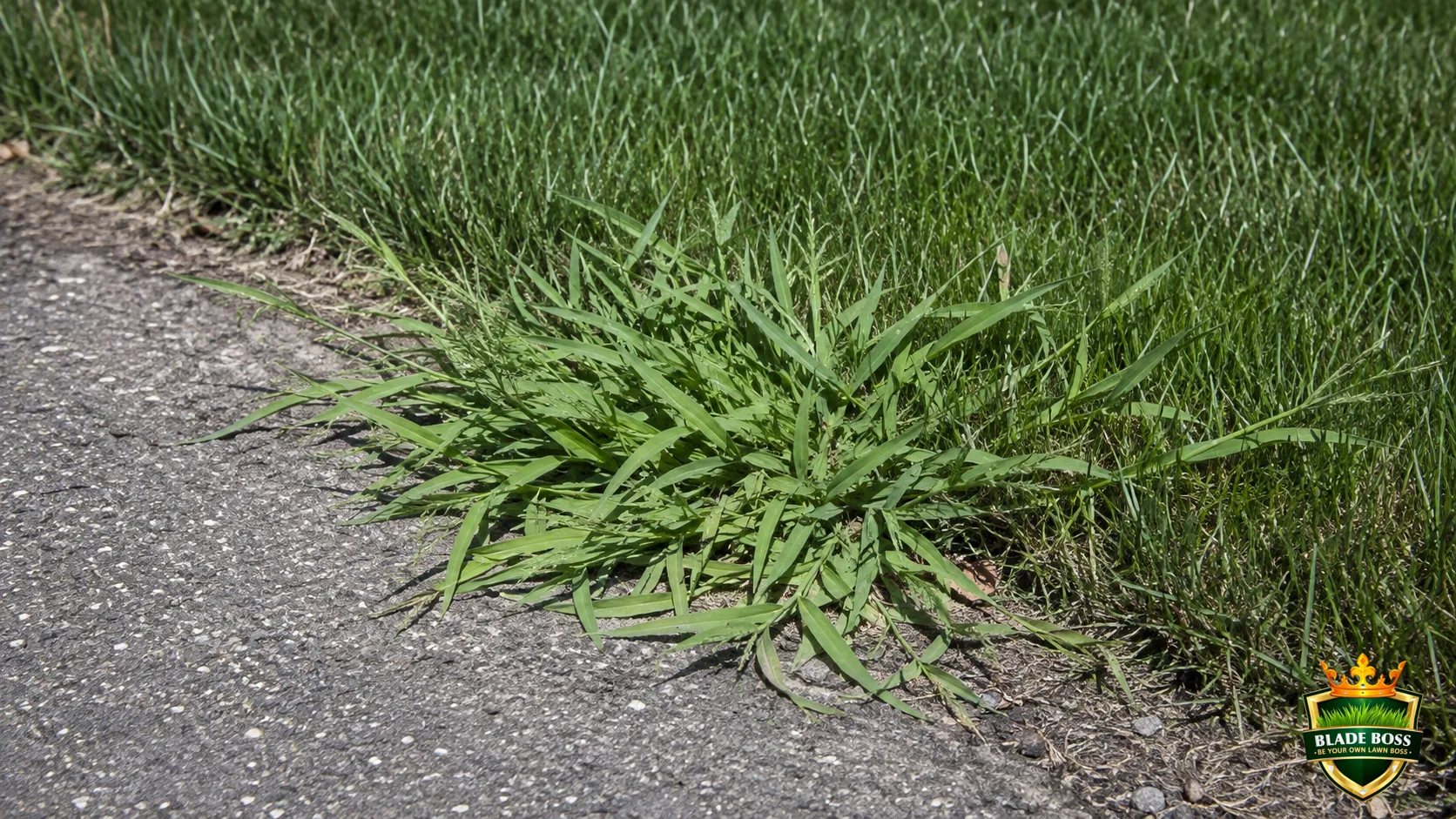
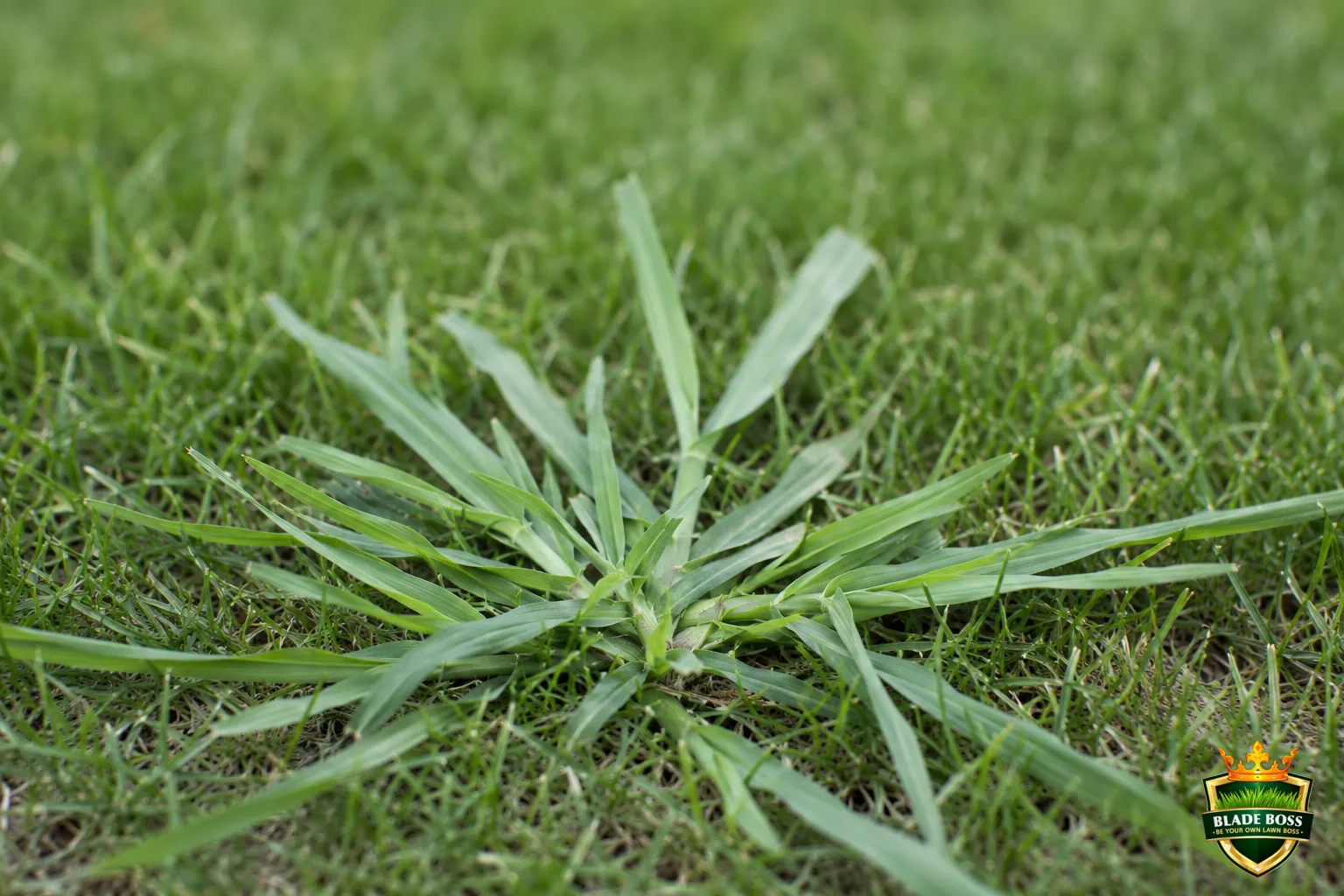
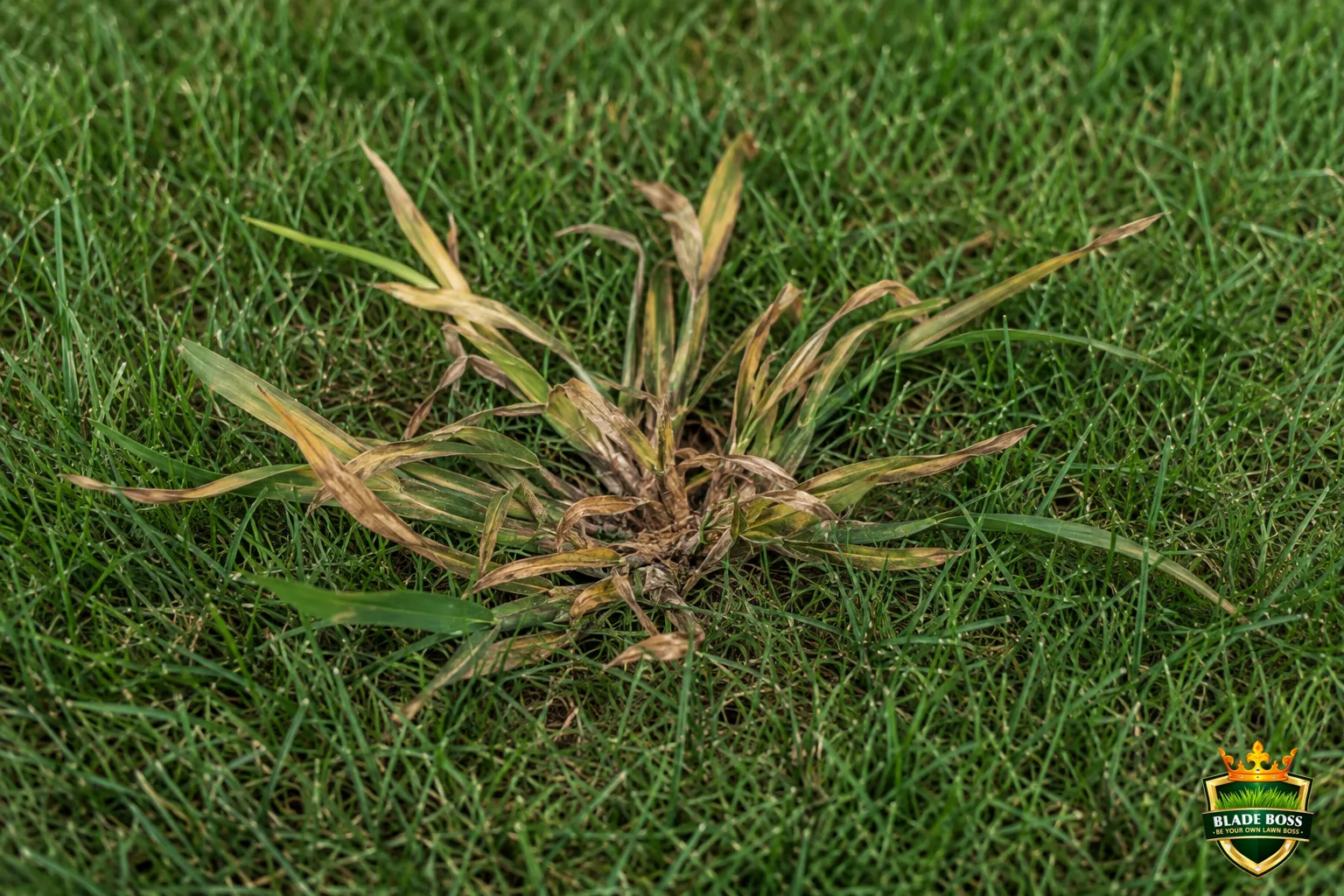
First, make sure you are actually looking at crabgrass, and that conditions are right to spray. Crabgrass is a low, spreading, lighter-green annual grass that grows outward from a central point in a star or splayed-hand shape, hugging the ground. It shows up in summer heat, especially along driveways, sidewalks, and thin or bare edges where the soil gets hot.
Timing matters as much as identification. Quinclorac works by being absorbed into an actively growing plant, so the crabgrass (and your lawn) need to be growing well and not drought-stressed. Spraying in a heat wave or dry spell gives poor results and stresses your lawn. Wait for a stretch of decent moisture and growth, a mild day, and low wind.
Gear Up and Measure Your Area
Herbicide dosing is based on area, so before you mix, know how much crabgrass-infested ground you are treating. Since we are spot-spraying individual weeds and patches (which New York requires), you are estimating the square footage of the areas you will actually hit, not the whole lawn.
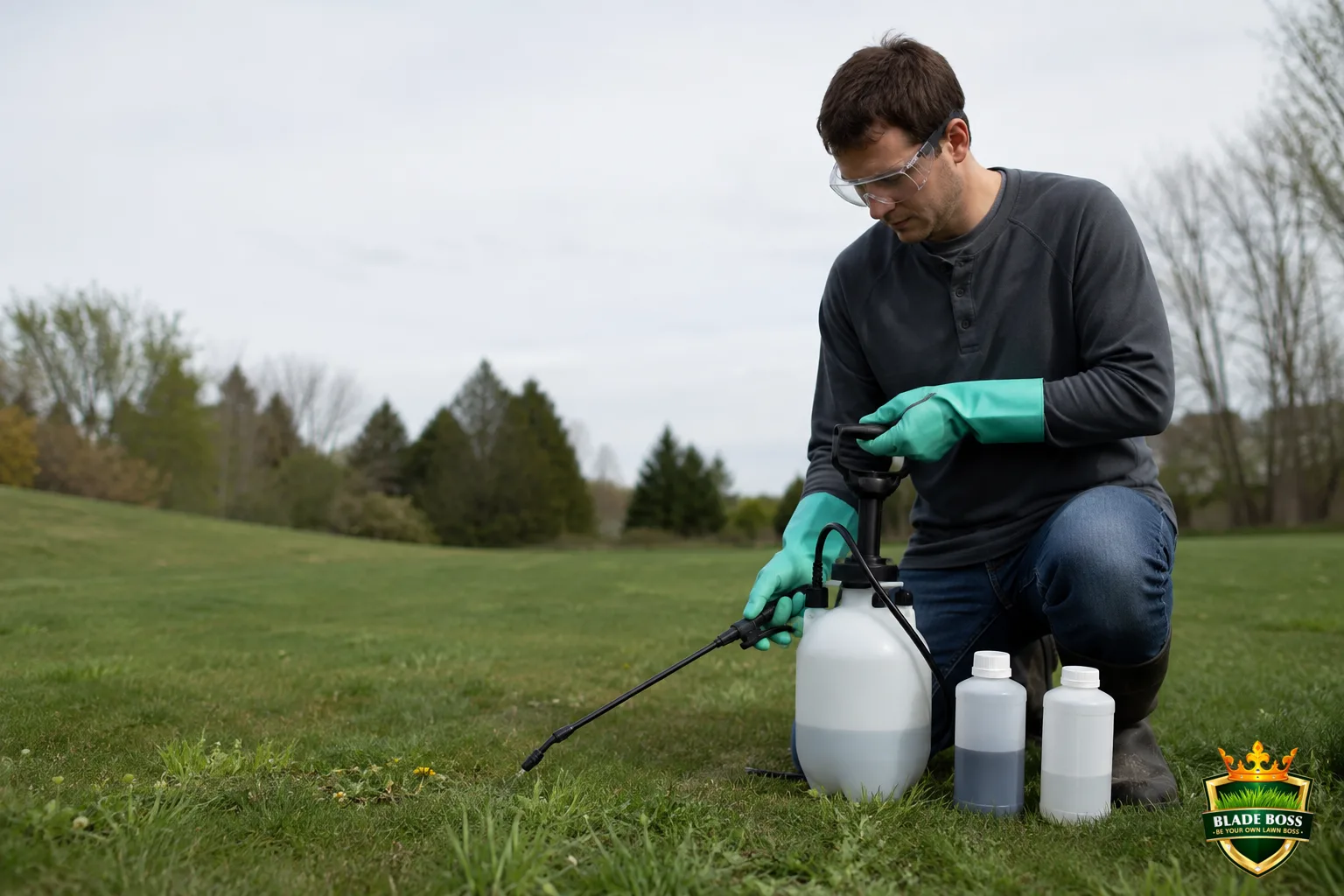
- Put on your protection first: chemical-resistant gloves, eye protection, long sleeves, pants, closed shoes.
- Estimate the treated area in square feet, the patches and edges where the crabgrass actually is.
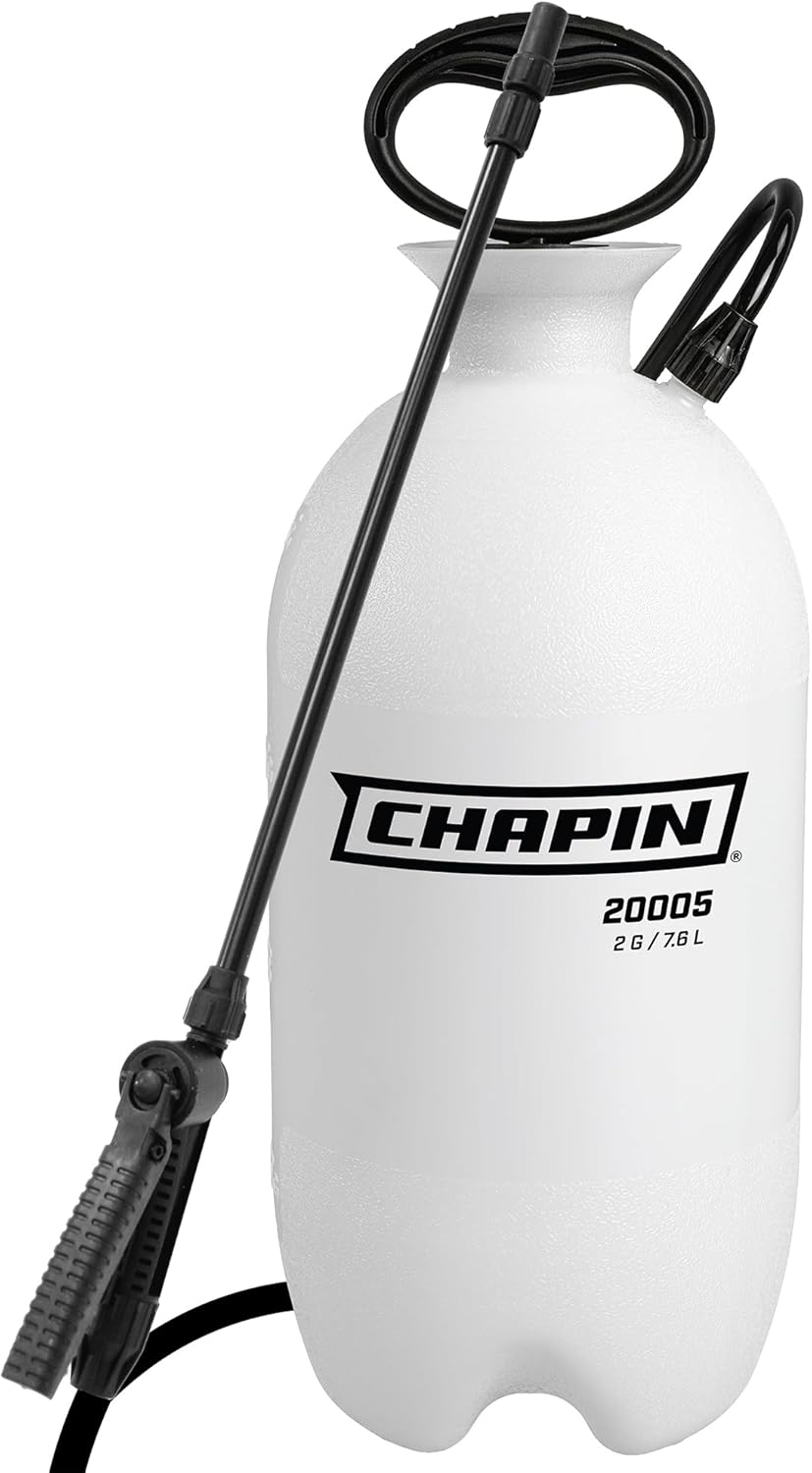
- Grab a clean sprayer (a simple 1 or 2 gallon pump sprayer is perfect) that has never held another weed killer.
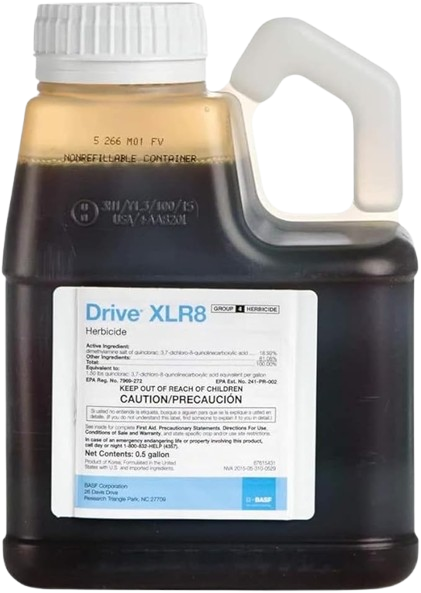
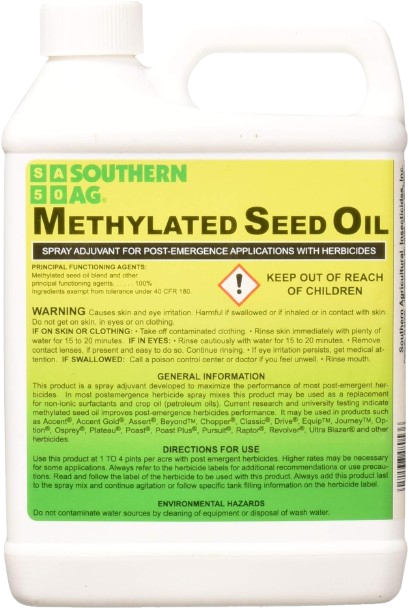
- Have your two products ready: Drive XLR8 (quinclorac) and an MSO (methylated seed oil) surfactant.
Mix It at the Right Rate
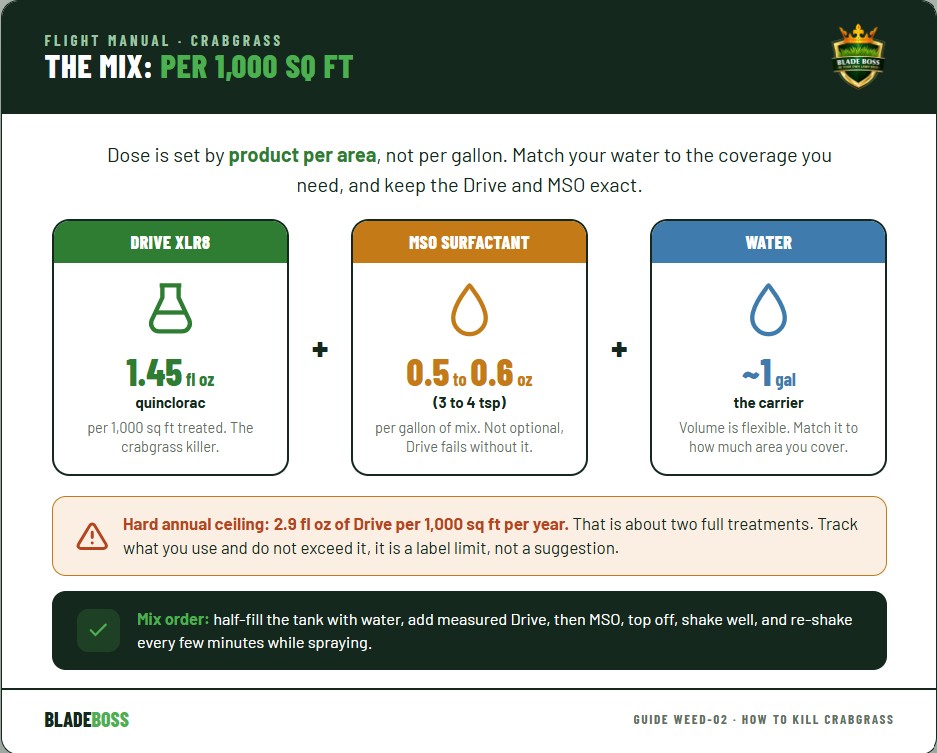
This is the step where precision matters most. The correct rate for Drive XLR8 is 1.45 fluid ounces per gallon of water to treat 1,000 square feet, plus MSO surfactant. The nice thing about liquid herbicides is that the water volume itself is not critical, what matters is applying the right amount of product over the right area. So match your water to how much you need to cover your patches.
- Drive XLR8 (quinclorac): 1.45 fl oz per 1,000 sq ft of area you are treating. Measure it, do not eyeball it.
- MSO surfactant: about 0.5 to 0.6 fl oz (roughly 3 to 4 teaspoons) per gallon of finished spray. This is what makes the quinclorac actually work.
- Mix order: fill the tank about halfway with water, add the measured Drive, then the MSO, top off with water, close, and shake well.
- Agitate as you go: shake the tank every few minutes while spraying so the mix stays blended.
- Respect the annual cap: the label allows no more than 2.9 fl oz of Drive per 1,000 sq ft per year, which is about two full treatments. Do not exceed it.
Spray the Crabgrass
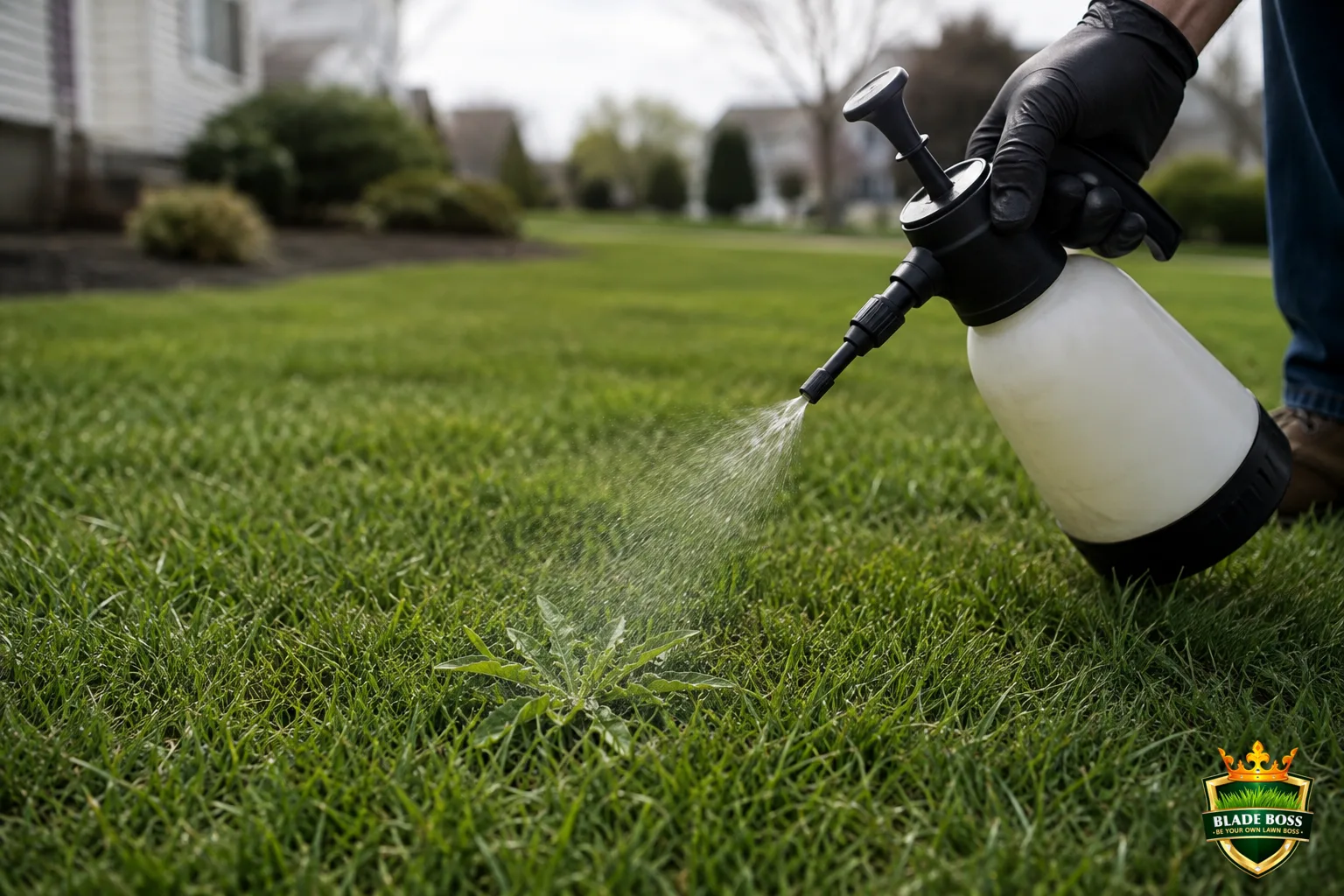
Now spray, deliberately and only where the crabgrass is. Set your sprayer to a coarse spray (not a fine mist) to cut down on drift, and treat each crabgrass plant and patch to wet the leaves without drenching to the point of runoff. In New York, spot-treating individual weeds this way is not just smart, it is what the label requires.
- Spray each crabgrass plant to lightly wet the leaves, coating them without heavy runoff dripping onto the soil.
- Use a coarse spray setting and keep the wand low to minimize drift onto your garden and good grass.
- Cover the whole patch, crabgrass spreads outward, so treat the full clump including the outer runners.
- Do not blanket-spray the whole lawn, hit the weeds, not everything.
Wait, Watch, and Repeat if Needed
Quinclorac is not instant. The crabgrass absorbs it and dies over the following days to a couple of weeks, so do not panic if it still looks green the next morning. Your job now is to leave it alone and let it work, then follow up if the crabgrass is stubborn.
- Do not mow for 2 days after spraying (and you should not have mowed 2 days before either), the plant needs its leaves to take in the herbicide.
- Do not water for 24 hours, Drive becomes rainfast in about an hour, and you want it working on the leaves, not washed off.
- Watch over 1 to 3 weeks as the crabgrass yellows, browns, and dies back.
- Reapply after 14 to 21 days if needed for mature or stubborn crabgrass, staying under the 2.9 fl oz per 1,000 sq ft annual limit.
- Reseed the bare spots the crabgrass leaves behind, ideally in fall, so grass fills in instead of more weeds.
The Crabgrass Kill Sheet
Members get the exact mix-rate reference for common batch sizes, the safe-spraying and annual-limit rules in one place, the timing checklist so you spray at the right moment, and the kill-and-reseed follow-up plan.
Open this with a free account →Abort Criteria - Common Mistakes
Mission Complete. Now Fly the Plan.
Crabgrass feels unbeatable until you use the right tool the right way: quinclorac (Drive XLR8) plus MSO surfactant, measured to rate, sprayed on actively growing weeds, with your protection on and the label respected. Spot-treat, wait a couple of weeks, repeat once if needed, and reseed the bare spots so grass wins the space back. Then close the loop next spring: the real long game is stopping crabgrass before it germinates with a pre-emergent prevention plan. For the broader rules on spraying any weed without harming your lawn, see how to spray weeds without killing your lawn.
Crew Questions - FAQ
What kills crabgrass that is already growing?
The most effective post-emergent for existing crabgrass is quinclorac, sold as Drive XLR8, mixed with a methylated seed oil (MSO) surfactant. Quinclorac is one of the few products that kills crabgrass even at the mature stage, when it has spread into large clumps. The MSO is essential, not optional, because quinclorac works poorly without a surfactant to help it penetrate the plant. You spot-spray the actively growing crabgrass at 1.45 fluid ounces of Drive per 1,000 square feet plus the MSO, wait one to three weeks for it to die back, and reapply once after 14 to 21 days if needed, staying under the annual limit.
Do I really need MSO or a surfactant with quinclorac?
Yes. This is the single most common crabgrass-spray mistake. Quinclorac (Drive XLR8) is notably weak on its own and needs a methylated seed oil (MSO) surfactant to stick to and penetrate the waxy crabgrass leaves and actually work. Without it, you can spray a perfect application and see little or no result. Add MSO at roughly 0.5 to 0.6 fluid ounces (about 3 to 4 teaspoons) per gallon of finished spray. Always confirm rates on both your herbicide and surfactant labels, since products vary.
How much Drive XLR8 do I mix per gallon?
The standard rate is 1.45 fluid ounces of Drive XLR8 to treat 1,000 square feet, mixed into roughly a gallon of water plus your MSO surfactant. An important detail: the exact amount of water is not critical, because dosing is based on the amount of product applied per area, not per gallon. So you match your water volume to how much area you need to cover, while keeping the Drive at 1.45 fluid ounces per 1,000 square feet. The critical limit to remember is that you must never apply more than 2.9 fluid ounces of Drive per 1,000 square feet in a single year.
When is the best time to spray crabgrass?
Spray when the crabgrass is young to moderately mature and, above all, actively growing and not drought-stressed, on a mild, low-wind day. Quinclorac is absorbed by a growing plant, so applications during heat waves or dry spells give poor results and add stress to your lawn. You also want dry conditions for about an hour after spraying so the product becomes rainfast, and you should not mow for two days before or after. On Long Island that usually means picking a moderate summer day when the lawn has had recent moisture and is growing well.
Is it safe to use crabgrass herbicide on my lawn and around my family?
It can be used safely when you follow the label carefully, but it is a real herbicide and deserves respect. Wear chemical-resistant gloves, eye protection, and long clothing while mixing and spraying, keep children and pets off the lawn until the treated areas are completely dry, and store and dispose of everything per the label. Because Long Island sits on a sole-source drinking-water aquifer, it is especially important never to spray near wells, storm drains, pools, or standing water, and to avoid over-application and runoff. The label is the legal authority on safe use, so read it fully before you start.
Should I pull crabgrass instead of spraying it?
You can pull small amounts of young crabgrass by hand if you get the whole plant, but it is often impractical for anything beyond a few plants. Mature crabgrass has an extensive spreading root system, and pulling frequently leaves pieces behind and disturbs the surrounding soil, which can expose more crabgrass seed to germinate. For anything more than a spot or two, a properly applied post-emergent like quinclorac with MSO gives far more reliable control. Whichever route you take, the crabgrass will have left bare spots, so reseed those areas (fall is best) so desirable grass fills the gap instead of next year's weeds.
Will crabgrass come back after I kill it?
The individual plants you kill will not come back, because crabgrass is an annual that dies each year anyway. The real issue is next year's seeds. A single crabgrass plant drops thousands of seeds that sit in the soil waiting to germinate the following spring, so killing this year's plants does not stop next year's crop. That is why the complete strategy is two-part: kill the existing crabgrass now with quinclorac, then apply a pre-emergent herbicide the following early spring to stop the seeds from germinating. Reseeding the bare spots to thicken your lawn also helps, since dense turf leaves crabgrass seed less room and light to establish.