
GUIDE SEED-03 · REV A
How to Fix Dog Urine Spots in Your Lawn
Those round dead patches with a suspiciously green ring around them are not a disease or a fungus, they are a dog problem, and the cause is simpler than the internet makes it sound. Dog urine burns grass because it dumps concentrated nitrogen and salts in one small spot, the same way a pile of fertilizer would. Once you understand that, the fix is straightforward and most of the products sold to prevent it are a waste of money. This is how to actually repair the spots and cut down on new ones.
Pre-Flight Checklist - What You Need
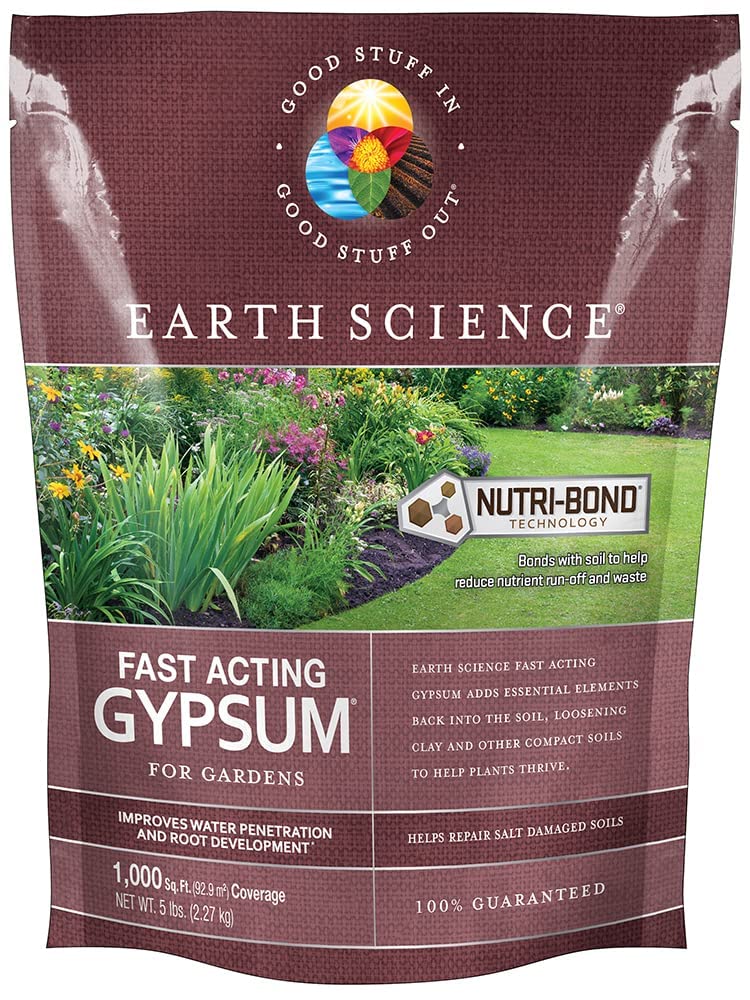
As an Amazon Associate, Blade Boss earns from qualifying purchases. It never costs you a penny more.
Rules of Engagement (ROE's)
The Flight Plan - Step by Step
Understand the Burn (Nitrogen and Salt)
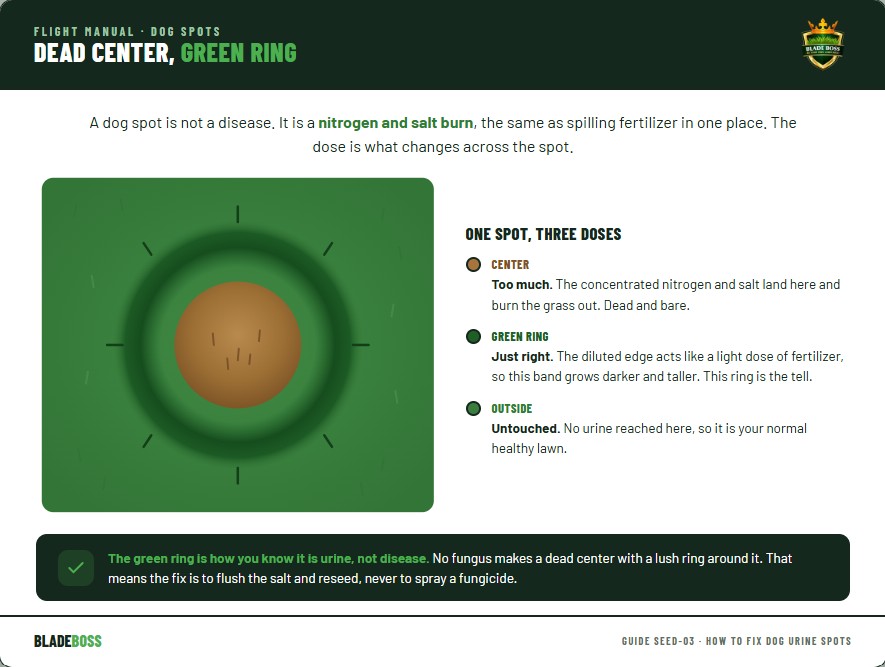
Before you fix anything, know what you are fixing. Dog urine is high in nitrogen and dissolved salts, and when a dog empties it all in one small spot, that patch gets a massive concentrated dose. It is chemically the same as spilling a handful of fertilizer in one place: the center burns out and dies, while the diluted outer edge gets just enough to grow greener and taller than the surrounding lawn.
That is why the classic dog spot has a dead brown center ringed by a halo of extra-green grass. Recognizing this matters because it tells you it is not a disease to spray and not a pH problem to correct: it is a salt-and-nitrogen overdose, and the fix follows directly from that.
Flush the Spot With Water
The first repair move, and the best prevention, is plain water. Flushing dilutes the concentrated salts and nitrogen and carries them down past the root zone, which both limits the damage on a fresh spot and clears the soil so new seed can actually grow.
- On a fresh accident: soak the spot heavily as soon as you notice it, a few gallons, to dilute before the salt sets in.
- On an old dead spot you are repairing: flush it deeply first to leach the leftover salt out of the soil before you seed.
- On repeat problem zones: a light gypsum application can help displace and flush salts over time, but water is doing most of the work.
Rake Out and Reseed the Bare Center
Once the spot is flushed, repair it like any bare patch. The dead grass in the center is not coming back, so clear it and give new seed clean, loosened soil to grab.
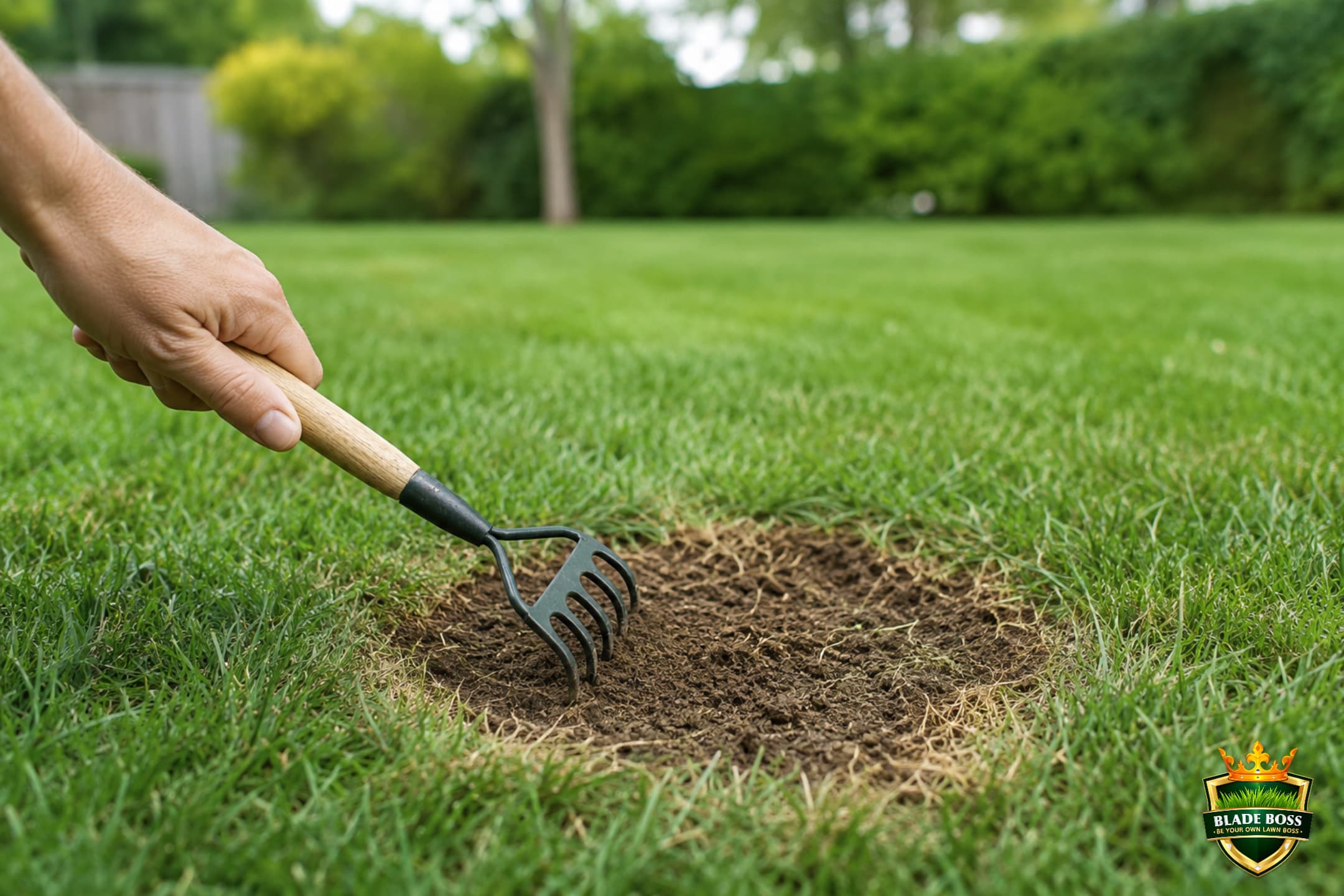
- Rake out the dead grass from the center and scratch up the top inch of soil so seed makes contact.
- Reseed to match your lawn so the patch blends in rather than standing out as a different grass.
- Topdress lightly with a thin layer of compost or seed-starting mix to hold moisture.
- Keep it consistently moist with light daily watering until the new grass is established.
Cut Down on New Spots
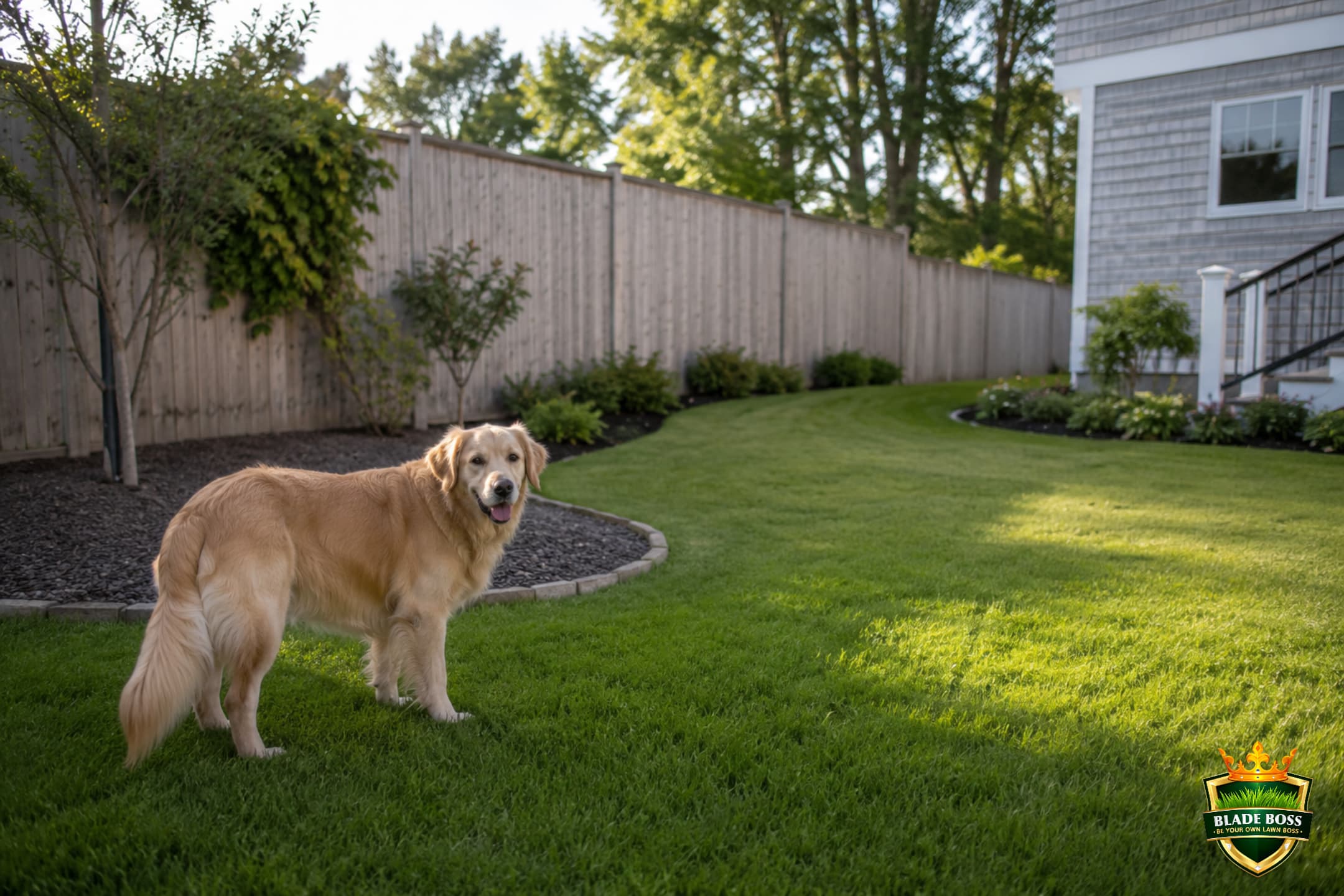
You will not stop a dog from being a dog, but you can shrink the damage. The honest truth here is that the myth products mostly do not work, and some are risky, so the real prevention is behavioral and about dilution.
- Train to a spot: the highest-impact fix. A gravel or mulch potty area concentrates the damage where there is no grass to lose.
- Water after: hose or water the area right after the dog goes, on the spots they favor, to dilute before it burns.
- Skip the urine chews, supplements, and dog rocks: the popular cranberry and methionine chews only acidify the urine, but the burn is nitrogen and salt concentration, not acidity, so they miss the actual cause. Some also carry real pet-health risk. Do not bother.
- Dilution beats everything: more water into the dog and onto the spot is the only reliable lever.
Match Your Repair Seed in SeedGenius Pro
A dog-spot repair only disappears if the new grass matches what is around it, otherwise you trade a brown circle for a mismatched green one. Tell SeedGenius Pro your grass type and conditions and it matches the right seed and rate for patching, so the repair blends into the lawn instead of standing out. Flush the salt, then seed the right grass.
Open SeedGenius Pro →The Dog-Spot Repair Reference
Members get the myth-versus-fact table that saves you money on useless products, the fresh-spot versus old-spot action guide, and the full flush-and-repair checklist so the patch actually takes the first time.
Open this with a free account →Abort Criteria - Common Mistakes
Mission Complete. Now Fly the Plan.
Dog spots are a salt-and-nitrogen burn, not a disease, so the fix is simple: flush the salt, rake out the dead center, and reseed with grass that matches, then use SeedGenius Pro to nail that match so the repair disappears. Skip the supplements and pH gimmicks, lean on water and a potty area for prevention, and you win. Seeing other dead patches without the green ring? Those may be something else, so start by diagnosing what is actually wrong.
Crew Questions - FAQ
Why does dog urine kill grass?
Dog urine is high in nitrogen and dissolved salts, and when a dog urinates all in one small spot, that patch gets a concentrated dose that burns the grass out, chemically the same as spilling a handful of fertilizer in one place. The concentrated center dies while the diluted outer edge gets just enough nitrogen to grow greener, which is why dog spots have a dead brown center ringed by a halo of extra-green grass. It is not caused by the urine being acidic or by the dog's diet or sex.
How do I fix a dog urine spot in my lawn?
Two steps. First, flush the spot deeply with water to leach the leftover salts out of the soil, since new seed will not germinate in salt-loaded ground. Then repair it like any bare patch: rake out the dead grass, scratch up the top inch of soil, reseed with grass that matches the rest of your lawn, topdress lightly to hold moisture, and keep it consistently damp until the new grass establishes. Do not skip the flush, and do not fertilize the spot, which only adds more salt to the burn.
Do dog rocks or urine supplements actually work?
There is no sound scientific evidence that dog rocks placed in the water bowl or urine-neutralizing supplements prevent lawn spots, and some diet or supplement changes aimed at altering a dog's urine can actually harm the dog's health. Save your money and do not risk your pet. The only reliable prevention is dilution: training the dog to a gravel or mulch potty area, and watering their favorite spots right after they go to wash the salts down before they burn.
Are dog urine spots caused by female dogs?
Not because of sex itself. The common belief that female dogs cause more spots is really about behavior: dogs that squat and empty their entire bladder in one spot deposit a concentrated dose in a small area, which burns the grass, while dogs that mark in small amounts across many spots spread the nitrogen out. Any dog that fully empties in one place, male or female, will cause spots. It is about volume in one location, not the dog's gender.
Does dog urine make the soil too acidic?
No, and trying to fix the pH is a common waste of effort. Dog-spot damage comes from the concentration of nitrogen and salts, essentially a fertilizer burn, not from acidity. Applying lime or other pH products does nothing to repair or prevent the spots. The effective actions are flushing the salts out with water and repairing the bare center with matching seed, plus dilution and a potty area for prevention.
How do I stop my dog from ruining the lawn?
You cannot change that a dog urinates, but you can control where and how concentrated it lands. The highest-impact fix is training the dog to use a designated gravel or mulch potty area, which concentrates any damage where there is no grass to lose. Beyond that, water the spots your dog favors right after they use them to dilute the salts before they burn, and make sure the dog is well hydrated. Skip the supplements and dog rocks, since dilution and behavior are what actually work.